



Moisture and decay are eating away at one of Istanbul’s oldest Greek Orthodox churches, according to a new study that used laser scanners and drones to survey the more than 1,000-year-old building for the first time.
The research focuses on the Panagia Mouchliotissa Church (Παναγία Μουχλιώτισσα), also known as Panagiotissa, in the Fener neighborhood of the city’s Fatih district. It is the only Byzantine church in Istanbul that has stayed in continuous religious use since it was built.
The study was led by Beyza Hilal Altunışık of the Restoration and Conservation Program at Fatih Sultan Mehmet Vakıf University. It was published in the journal Frontiers of Architectural Research.
Moisture and decay damage the historic Greek Orthodox church
The church dates to the 11th century. It was expanded in the 13th century under Byzantine princess Maria Palaiologina. After the Ottoman conquest, Sultan Mehmed II issued a decree protecting the building from being converted into a mosque, a rare exception for a Christian church in the city.
The structure earned the nickname “Bloody Church” after a violent clash between Ottoman and Byzantine forces nearby. Over the centuries, fires and earthquakes repeatedly damaged the building. It was also harmed during the anti-Greek riots of September 1955 in Istanbul. The last major restoration took place in 1997.
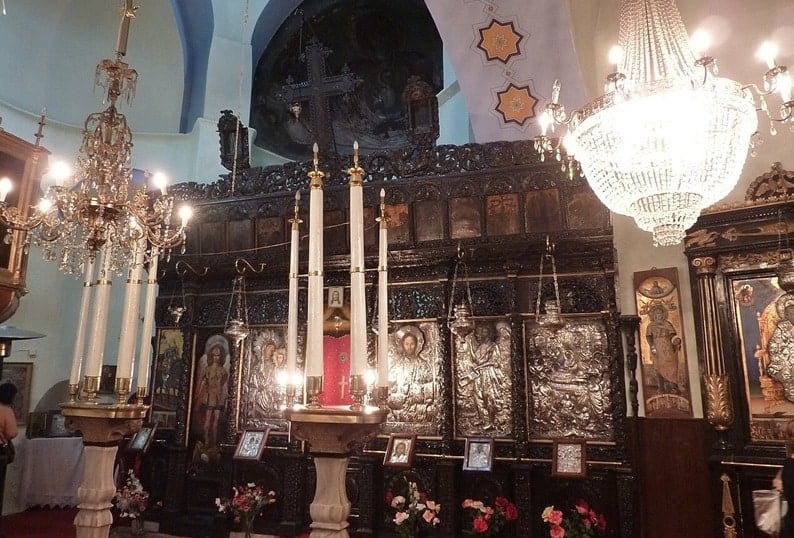
The new survey found extensive water damage throughout the structure. Moisture and decay have caused cracked and blistering plaster on the dome, the narthex ceiling, and interior walls of the Greek Orthodox church, researchers reported.
Moss and vegetation cover parts of the north facade. Frescoes, especially near the narthex entrance, have faded and are peeling away. Researchers also identified low-quality past repairs, including the wrong type of roof tile, cement patches, and a gallery space now used for storage instead of worship.
Experts recommend phased repairs to preserve every era
Altunışık and her team argue that the church should not be restored to look like any single historical period. Instead, they say every layer of its history holds value, from its Byzantine core to its Ottoman-era additions and even its modern repairs.
Removing later changes to expose an “original” version, the researchers say, would erase part of the building’s story.
The team recommends a phased plan. It calls for removing damaged plaster under expert supervision, clearing plant growth, and installing proper drainage. Frescoes would be stabilized by trained conservators. Roof tiles would be replaced with traditional materials rather than the modern versions currently in place.
Researchers also called for a long-term maintenance schedule and an emergency plan for risks like earthquakes and fires. They suggested the church’s caretakers work with international heritage groups, including ICOMOS and UNESCO, to support future conservation efforts.
See all the latest news from Greece and the world at Greekreporter.com. Contact our newsroom to report an update or send your story, photos and videos. Follow GR on Google News and subscribe here to our daily email!

