




A new archaeological study suggests that Roman soldiers stationed at Ambleside Fort in England’s Lake District once fought off an attack, based on a scatter of ancient sling bullets found around the site.
The study, published in the journal Britannia, adds fresh evidence to a mystery that has puzzled archaeologists for more than a century.
The fort sits on the northern shore of Lake Windermere in Cumbria. Roman troops built it in the late first century A.D. to guard a key road linking forts and ports across the region. Soldiers occupied the site for hundreds of years, likely until the fourth century.
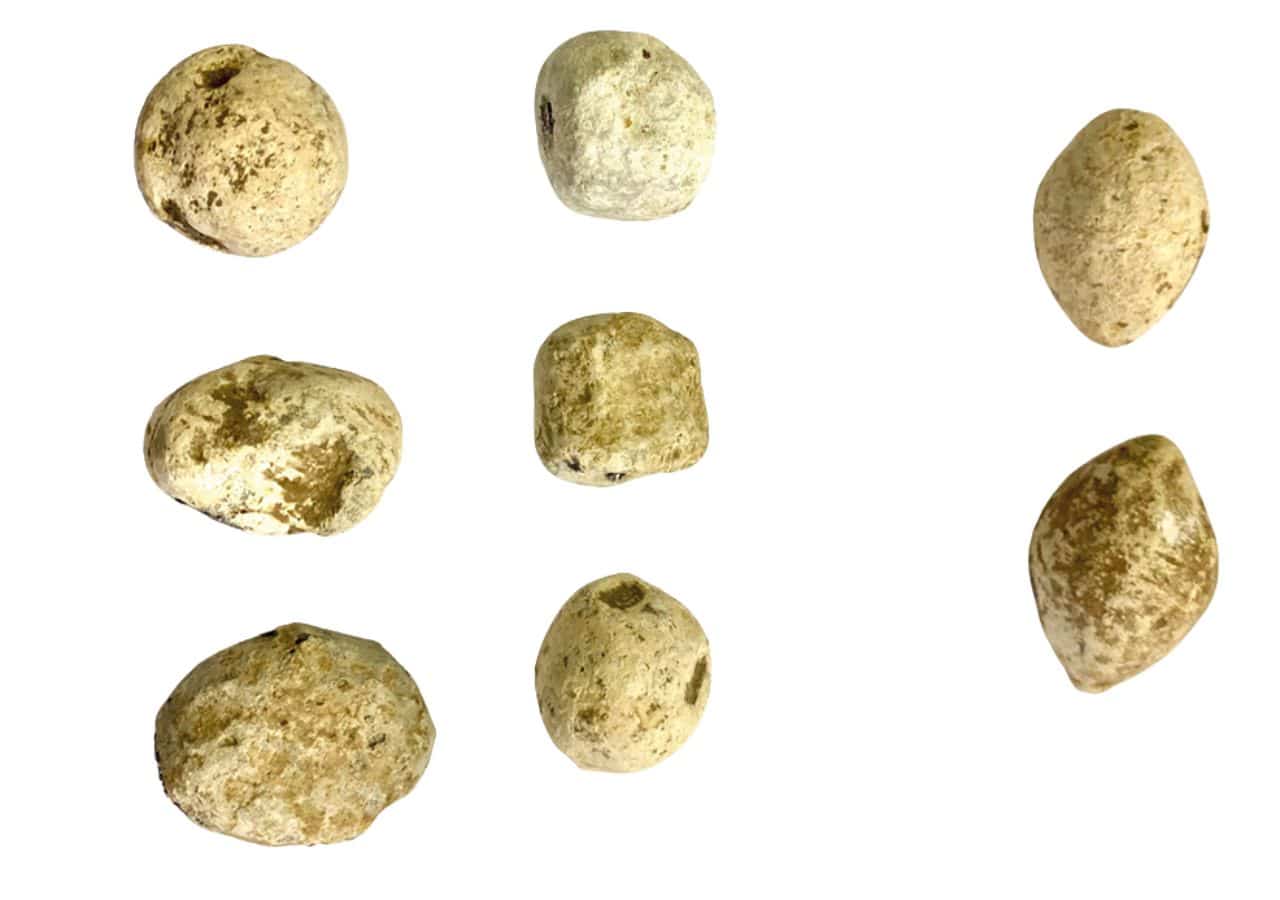
For decades, researchers have found lead sling bullets, known as glandes, scattered near the fort. A gravestone unearthed in 1962 added intrigue. Its inscription described an assault by “enemies” that killed two soldiers, possibly a father and son. Researchers say the wording points to a real military clash rather than a raid by bandits.
Metal detector survey uncovers more sling bullets near Ambleside Fort
Manuel Fernández-Götz of the University of Oxford led a team from the Trimontium Trust and the University of Edinburgh to investigate further.
Fieldwork began in 2021, when volunteers used metal detectors to survey land north and east of the fort. That search turned up more than 800 metal signals, with about 250 resembling lead projectiles.

A follow-up survey in 2023 narrowed the search to a smaller, high-priority area. Researchers dug shallow test pits at spots with strong signals and pulled seven Roman sling bullets from the ground. That brought the total number of bullets recovered from the site to 30, up from 23 before the project began.
Lab tests on the lead revealed two distinct sources used to make the bullets. One match leads near Burnswark Hill in Scotland, the site of an earlier Roman conflict.
The other appears rougher and more hastily made, suggesting bullets were cast quickly, possibly under pressure during an actual attack.
Who attacked the fort? experts still search for answers
Fernández-Götz said that the pattern mirrors what happened at the Roman fort of Velsen in the Netherlands, where defenders scrambled to produce weapons during a first-century revolt.
He explained that the evidence points to defenders firing bullets outward from the fort’s walls, rather than storing them in one place.
Researchers still do not know who attacked the fort. They cannot rule out local uprisings or fighters crossing south from Hadrian’s Wall. The timing remains uncertain, too, with some evidence pointing to the second century A.D.
The Armitt Museum in Ambleside featured the research in a 2025 exhibition called “A Battle of Ambleside.” Researchers say the site remains one of the few in Roman Britain with physical proof of an attack on a military fort.
See all the latest news from Greece and the world at Greekreporter.com. Contact our newsroom to report an update or send your story, photos and videos. Follow GR on Google News and subscribe here to our daily email!

