



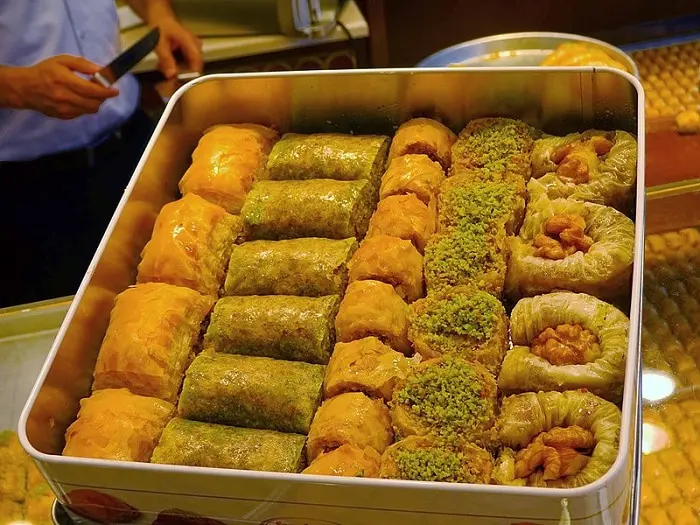
The long-simmering culinary rivalry between Turkey and Greece over the origins of baklava is heading to the international stage. Ankara has formally petitioned UNESCO to recognize the iconic layered pastry as part of its national cultural heritage.
The application, which requests the dessert be officially inscribed under the name “Baklava,” will be evaluated later this year at UNESCO’s 21st session of the Intergovernmental Committee for the Safeguarding of the Intangible Cultural Heritage in Xiamen, China.
A decades-old sweet rivalry
The move is the latest escalation in a decades-long debate over who truly owns the dessert:
- The Greek Claim: Advocates argue the pastry’s roots predate the Ottoman era, pointing to it as a legacy of the Byzantine Empire and often branding it internationally as “Greek Baklava.”
- The Turkish Claim: Historians counter that the modern dessert was perfected in the imperial kitchens of the Ottoman Empire, specifically during the reign of Sultan Mehmed II (Mehmed the Conqueror), where it became a staple of royal palace ceremonies.
More than just a dessert
While UNESCO listings are designed to safeguard living traditions rather than award exclusive ownership, the symbolic stakes are incredibly high. A successful bid can significantly boost a nation’s tourism, global branding, and cultural pride.
Ankara is highly confident of a win, bolstered by a major diplomatic culinary victory from 2013. Back then, “Gaziantep Baklava,” from the southeastern city known in Kurdish as Dilok, became the first product from Turkey to secure the European Union’s Protected Geographical Indication (PGI) status.
All eyes will be on the committee’s decision at the end of the year, which is sure to add a new chapter to the Eastern Mediterranean’s most delicious geopolitical dispute.
Whatever the historical controversies, the fact remains that baklava is a delicious traditional dessert made of layers of crispy golden brown phyllo, filled with chopped nuts and garnished with lemon scented syrup…Pure heaven!
For the traditional Greek recipe, click here.
Related: The Story of Kymi Baklava: A Legacy of Flavor and Ritual
See all the latest news from Greece and the world at Greekreporter.com. Contact our newsroom to report an update or send your story, photos and videos. Follow GR on Google News and subscribe here to our daily email!

