



While spots like Santorini and Mykonos get gridlocked with cruise ships and lines of influencers, some Aegean islands remain relatively quiet and have escaped mass tourism. These islands usually share a few traits: they are a bit harder to reach, they don’t have international airports, and their local economies don’t rely entirely on the peak season.
Here are 10+1 exceptional Greek islands where you can still experience slow, authentic island life:
1. Anafi (Cyclades)
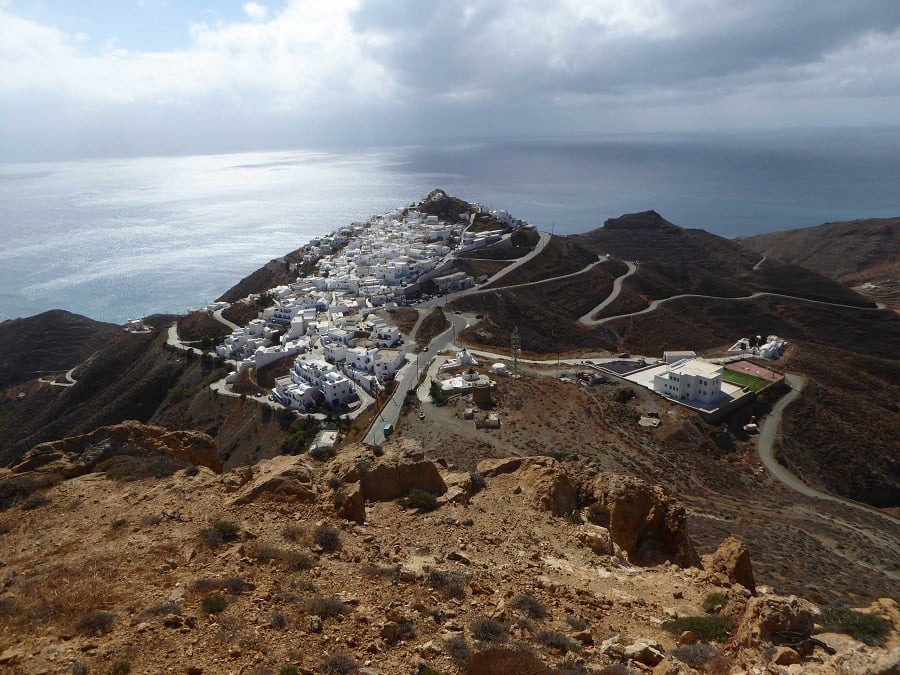
Right next door to Santorini sits its absolute antithesis. Anafi has just one main village (Chora) perched high on a hill, offering striking Aegean views without the crowds. It is famous for its wild, rugged landscapes, pristine sandy beaches, and Kalamos, the second-largest monolithic rock in Europe after Gibraltar.
2. Ikaria (North Aegean)
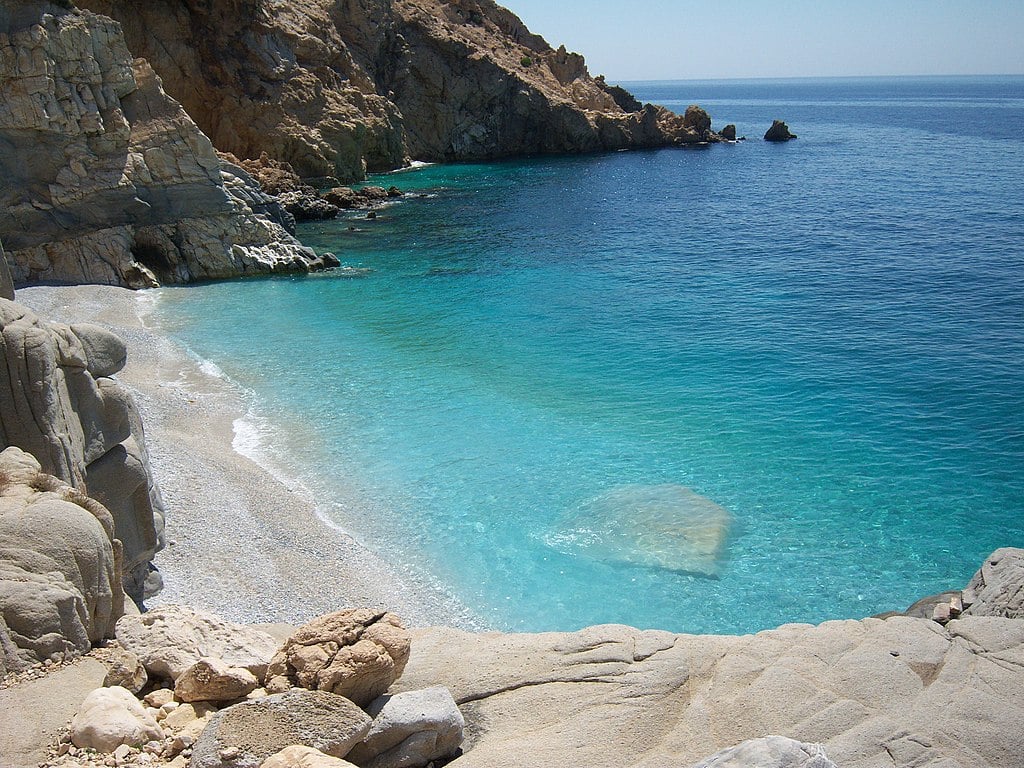
Ikaria is world-famous as a “Blue Zone”—one of the few places on Earth where people regularly live past the age of one hundred. The island has entirely rejected conventional tourism metrics. Locals operate on “Ikarian time” (shops might open at 10 PM), and the island is famous for its panigiria (traditional overnight village festivals with wine and dancing) rather than manicured beach clubs.
3. Astypalea (Dodecanese)
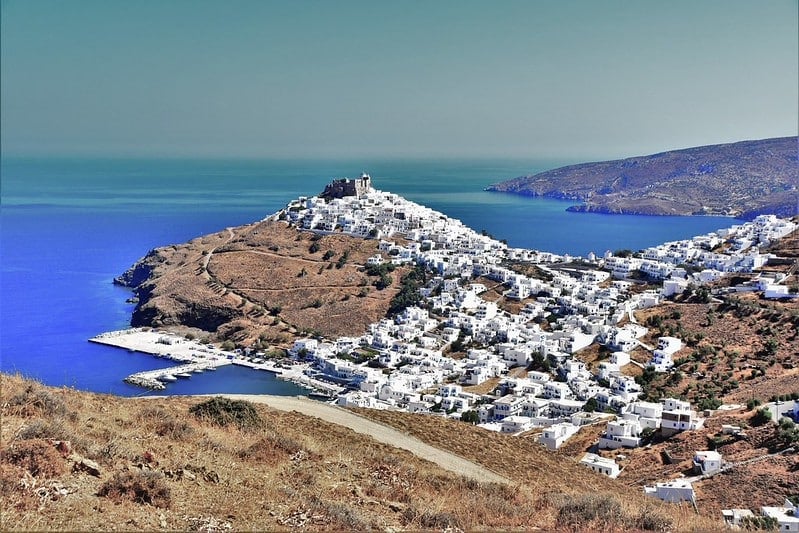
Geographically shaped like a butterfly, Astypalea sits right on the border of the Cyclades and the Dodecanese. It features a spectacular Venetian castle overlooking white-washed houses. It has also become a model for green living, partnering with automakers to transition its entire transport network to electric vehicles while strictly preserving its quiet, architectural identity.
4. Lipsi (Dodecanese)
Lipsi is a tiny cluster of islets where life revolves entirely around the main harbor. There are no major hotel chains, very few cars, and a highly local atmosphere. It’s a paradise for slow walks, eating fresh seafood right by the fishing boats, and swimming in shallow, crystalline waters like those at Platis Gialos.
5. Sikinos (Cyclades)
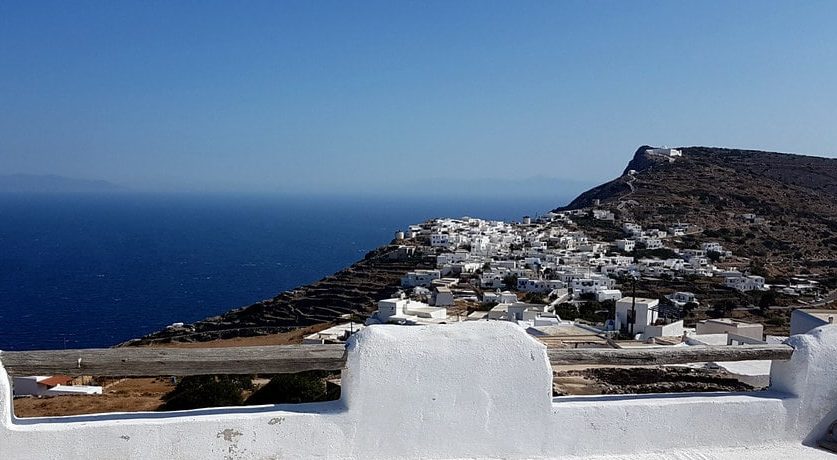
Sikinos is one of the least developed islands in the Cyclades. It has managed to preserve its traditional agricultural charm, dotted with ancient olive presses and remote monasteries. It is highly popular with hikers who come to explore the old mule paths, and wine enthusiasts looking to visit the small, cliffside Manalis Winery.
6. Alonissos (Sporades)
While its neighbors Skiathos and Skopelos have seen major commercial boosts (especially post-Mamma Mia), Alonissos remains blissfully serene. The island is surrounded by the National Marine Park of Alonissos, the largest marine protected area in Europe, making it a haven for diving, sailing, and spotting the rare Mediterranean monk seal.
7. Kythnos (Cyclades)
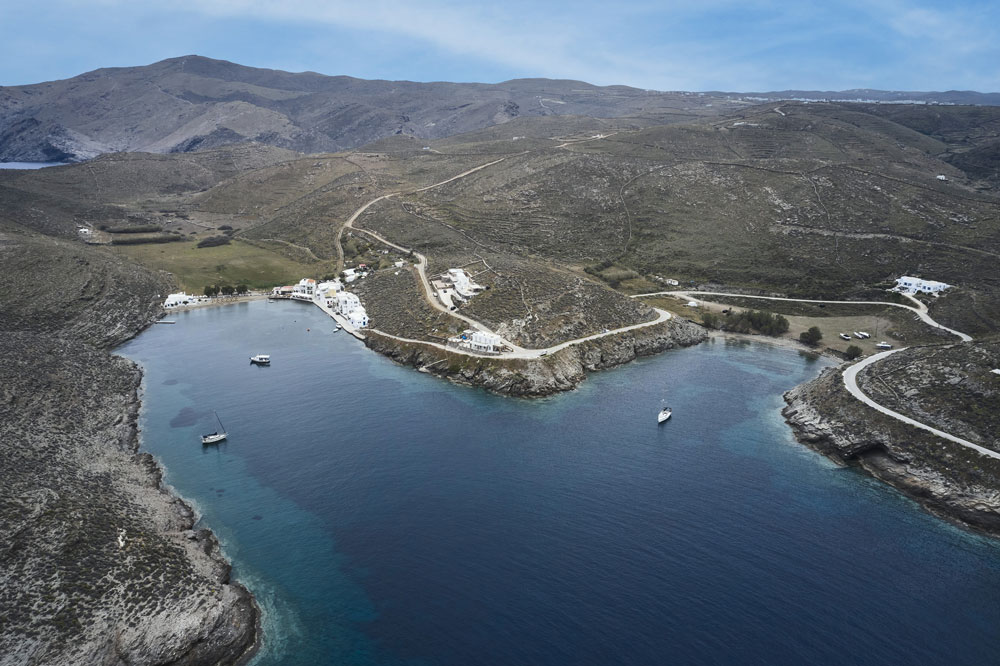
Because it is just a short ferry ride from Athens, Kythnos is primarily a weekend escape for mainland Greeks rather than international tour groups. It features over fifty beaches free of crowds, including the famous Kolona Beach, a stunning double-sided sandbar connecting the main island to a small islet.
8. Tilos (Dodecanese)
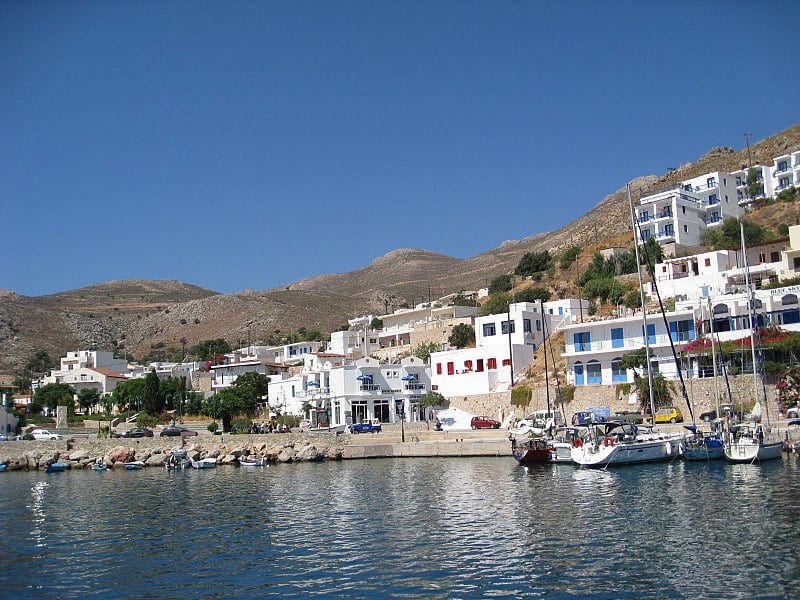
Tilos is a quiet, mountainous island that has channeled its energy into eco-tourism rather than massive resorts. It is the first island in the Mediterranean to be entirely self-sufficient in energy thanks to wind and solar power, and the entire island is a designated nature reserve rich with birdlife and hiking trails.
9. Kasos (Dodecanese)

As the southernmost island in the Dodecanese, Kasos is wild, wind-swept, and intensely traditional. It has completely escaped the modern tourist radar. Travelers come here for the absolute isolation, the rugged sea caves, and its distinct culinary heritage, which includes unique dishes such as tiny, hand-rolled dolmadakia (stuffed grape leaves).
10. Amorgos (Cyclades)
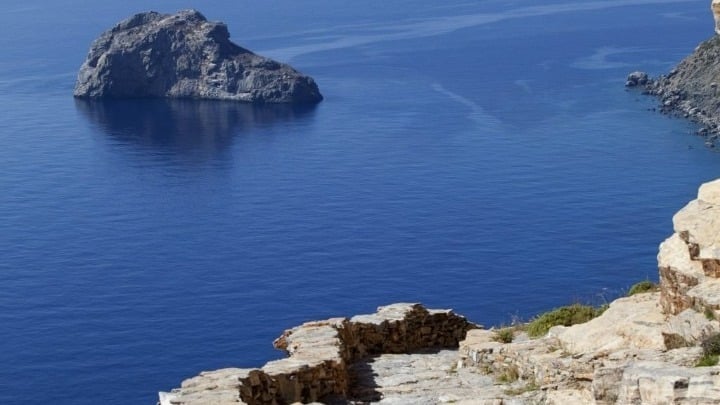
Though it gained some cinematic fame from Luc Besson’s 1988 film The Big Blue, Amorgos remains dramatically unspoiled. Its dramatic, plunging cliffs make mass resort development impossible. The crown jewel is the 11th-century Monastery of Panagia Hozoviotissa, which appears to be literally carved into a sheer cliff face almost one thousand feet (300 meters) above the sea.
11. Psara (Eastern Aegean)

Psara is the absolute gold standard for an island that has escaped mass tourism. In fact, calling it “untouched” is almost an understatement. It is a tiny, rugged rock floating in the North Aegean, just west of Chios, and it feels entirely detached from the modern vacation industry. You won’t find a single luxury resort, beach club, or international boutique here. Instead, Psara is an island of profound silence, deep history, and raw Aegean beauty.
See all the latest news from Greece and the world at Greekreporter.com. Contact our newsroom to report an update or send your story, photos and videos. Follow GR on Google News and subscribe here to our daily email!

