



When ancient Romans wanted to condemn a disgraced emperor, they often recycled his statues rather than destroying them. Sculptors would chisel away one ruler’s likeness and carve a new face in its place, a practice far more politically calculated than previously understood.
A new study maps this phenomenon across the Roman Empire in comprehensive detail for the first time. Francesca Bologna of the University of Verona led the research, published in the Journal of Roman Archaeology.
The study analyzed more than 2,000 imperial portraits spanning from Augustus to just before Diocletian, covering roughly the first three centuries CE. About 8% of those portraits showed clear signs of reworking.
Nero was the most recarved emperor, followed by Caligula and Domitian, all three of whom faced official memory sanctions. When Vespasian came to power, more than half of his surviving portraits had been reworked from earlier statues, mostly those of Nero.
Nerva’s portraits were largely recut from Domitian’s images, driven by two urgent pressures: the immediate need for his likeness upon taking power and his death just 16 months later.
Ancient Romans also recycled statues to honor good emperors
The practice was not always about condemnation. Researchers identified a second motivation they call “translatio memoriae,” the deliberate reuse of a respected emperor’s image for political gain.
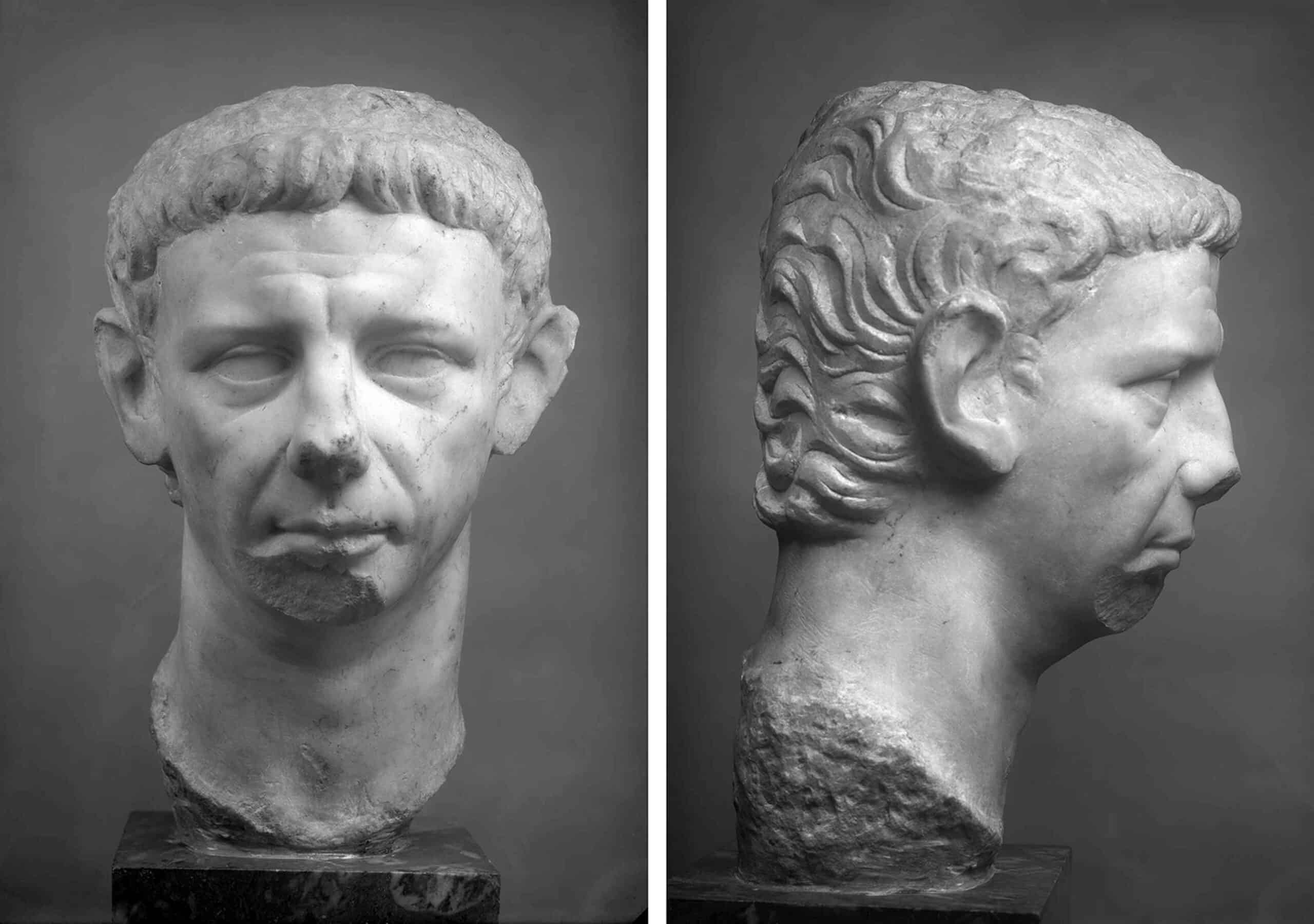
Caligula’s portraits, for instance, were frequently reworked into the likeness of Augustus rather than his actual successor, Claudius, reflecting the continued reverence for Rome’s first emperor, particularly in regions like Iberia.
The study introduced a classification system ranging from level 3, where sculptors reworked every visible surface of a portrait, down to level 0, where only the base inscription was changed.
More than half of surviving recarved portraits fall into level 2, meaning sculptors focused on the most visible parts of the face while leaving the back and sides largely untouched. Reworking became more thorough over time, with the most complete interventions occurring under Nerva and Trajan.
Geography drove stark contrasts in portrait reworking rates
Geography also shaped the practice significantly. Rome showed exceptionally high recarving rates under the Flavians, reflecting the dynasty’s drive to consolidate power in the capital. Iberia showed consistently high rates through the Adoptive period.
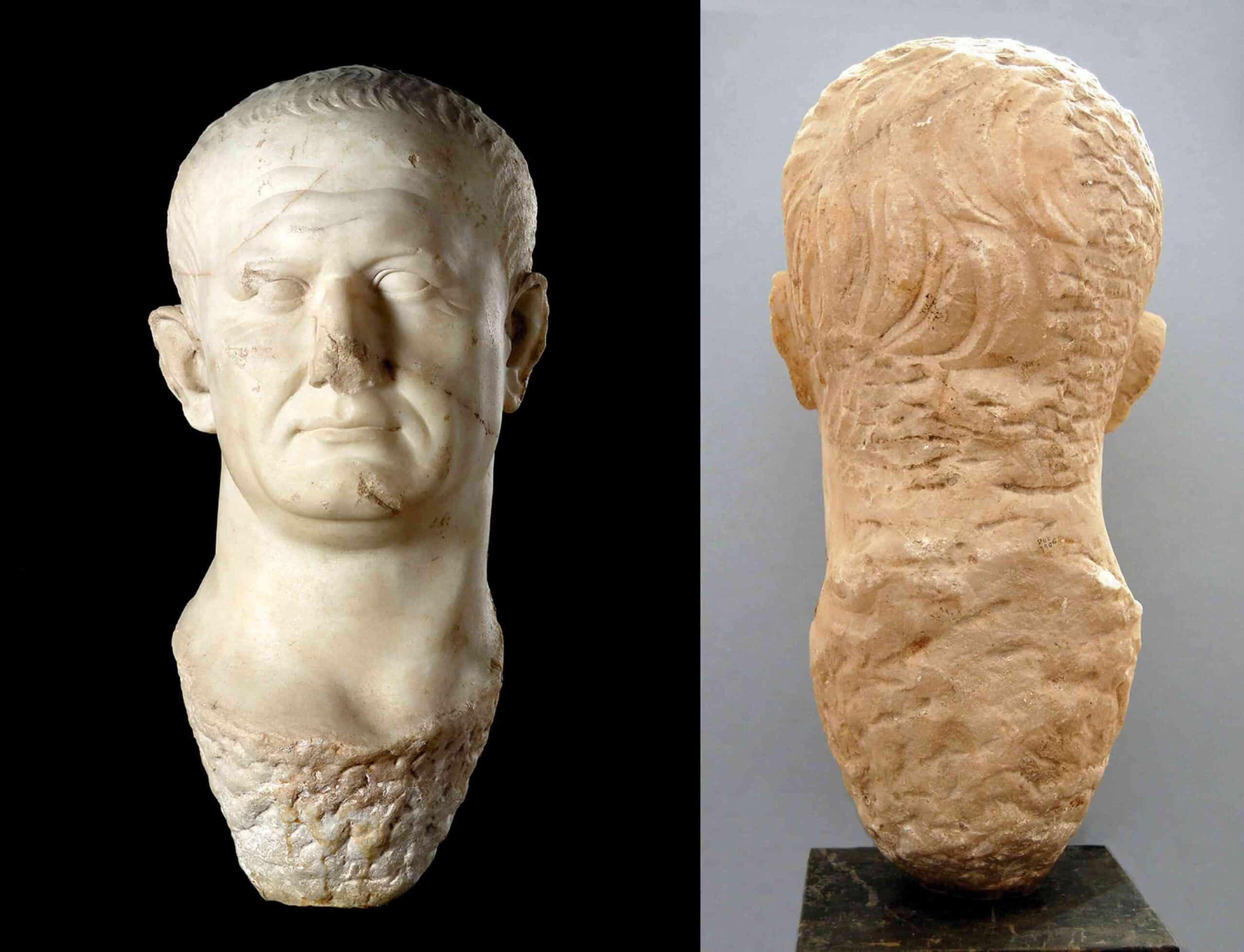
Asia Minor, despite its skilled sculptors and abundant marble, showed very little recarving because producing an entirely new portrait there was faster. North Africa showed equally low rates but for the opposite reason, lacking local marble and sufficient expertise.
The study also found that recarved portraits appeared almost exclusively in public spaces. Only a handful of wealthy private villas contained reworked images, suggesting the practice served as a direct and very public expression of loyalty to the ruling emperor.
Researchers caution that whether ordinary viewers actually recognized the earlier emperor beneath a reworked face remains an open question, one shaped by social class, location, and the passage of time.
See all the latest news from Greece and the world at Greekreporter.com. Contact our newsroom to report an update or send your story, photos and videos. Follow GR on Google News and subscribe here to our daily email!

