



Archaeologists have uncovered a rare Iron Age structure dating back to the 4th century BC during construction work along the Main River in Aschaffenburg, Germany.
The discovery was made during excavation work for a stormwater overflow basin north of the Willigis Bridge, according to the Bavarian State Office for Monument Protection, known as BLfD.
Workers uncovered unusual wooden remains in March 2026 during deep excavation work near the river. Officials later alerted the BLfD, which launched archaeological investigations at the site.
Researchers said the discovery came as a surprise because no archaeological monument had previously been identified or suspected in the construction area before development began.
Ancient oak beams reveal unexpected age
The remains were found about eight meters (26.2 feet) below ground and were remarkably well preserved. Archaeologists initially believed the structure dated to the early modern or modern period because ancient wood rarely survives in such condition.
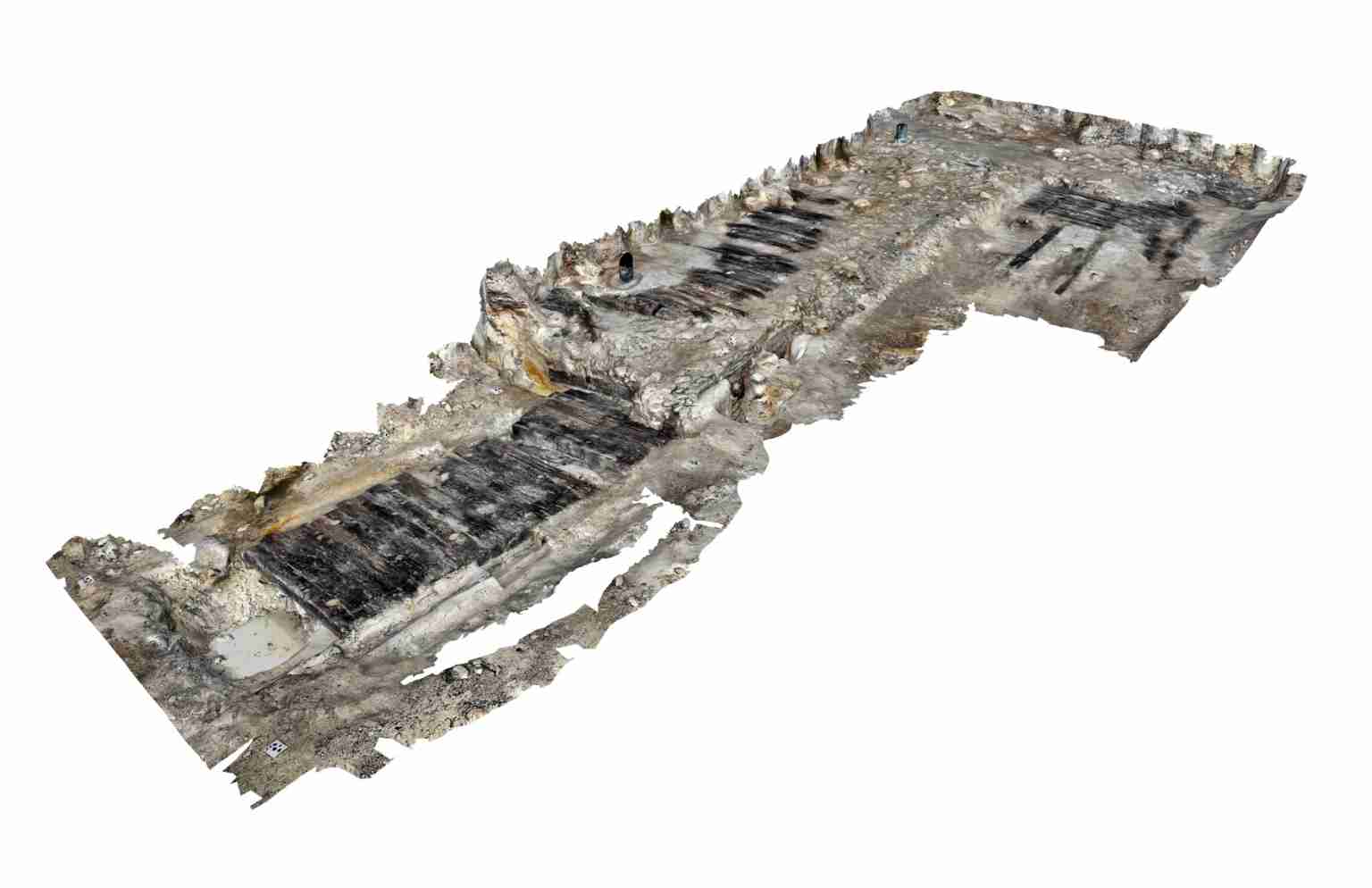
That changed after scientists at the BLfD’s dendrochronology laboratory in Thierhaupten analyzed samples taken from several oak beams.
Researchers used tree-ring dating methods to compare the timber samples with regional oak-ring records. The analysis showed the trees had been cut down and used in construction during the 4th century BC, placing the structure firmly within the Iron Age.
Dr. Stefanie Berg, head of the Department for Archaeological Heritage Protection at the BLfD, explained that the combination of the exceptional location on the banks of the Main River, the outstanding preservation, the unique wood-and-stone construction, and the Iron Age dating makes this find unique.
Rare construction raises scientific interest

Berg said early excavation results suggest the structure was built using massive oak beams arranged in a sophisticated design. Researchers also uncovered a dry-stone wall facing the Main River, a rare feature for Iron Age construction.
According to Berg, stone masonry from that period is uncommon and is usually linked to defensive structures such as fortified walls.
Experts said the discovery could provide valuable new information about Iron Age settlement patterns in southern Germany.
Previous finds around Aschaffenburg’s old town, including an animal-head fibula, a gold finger ring, and isolated settlement remains, had already pointed to the presence of a significant La Tène-period community. However, researchers said little is known about how the settlement was organized.
Excavation work continues at the deep construction site
Archaeologists hope the newly discovered riverside structure will help explain the function and development of the ancient settlement.
Excavation and documentation work are continuing in coordination with city authorities. Officials said the dig presents major technical challenges because the construction pit reaches depths of up to 10 meters (32.8 feet).
Archaeologists, engineers, and safety teams are working together to secure the site while researchers continue studying what may become one of Bavaria’s most important recent Iron Age discoveries.
See all the latest news from Greece and the world at Greekreporter.com. Contact our newsroom to report an update or send your story, photos and videos. Follow GR on Google News and subscribe here to our daily email!

