



A new DNA analysis of the Shroud of Turin is drawing skepticism from researchers who say the study relies on flawed methods and lacks peer review. The shroud analysis, released during Catholic Easter week, claims the cloth may have originated from yarn spun in India and passed through several Mediterranean regions before reaching Europe. Outside experts say the evidence is too thin to support those conclusions.
Allison Mann, a biological anthropologist at the University of Wyoming, said a lot more testing is needed before any of the findings can be trusted.
She noted that the team used a preliminary matching method for identifying plant and animal DNA on the cloth, and that method is well known for generating false positives.
What the Shroud of Turin DNA analysis actually found
The study was conducted by Gianni Barcaccia of the University of Padua and Alessandro Achilli of the University of Pavia. Their team examined all genetic material found on a cloth sample collected in 1978, a technique known as metagenomics.
The results turned up a wide mix of DNA, including human genetic material linked to populations spread across Europe, the Near East, and parts of western Asia, along with traces from various animals and plants such as livestock, domestic pets, and common food crops.
A related 2015 study by the same team found human DNA associated with the Indian subcontinent in dust collected from the cloth.
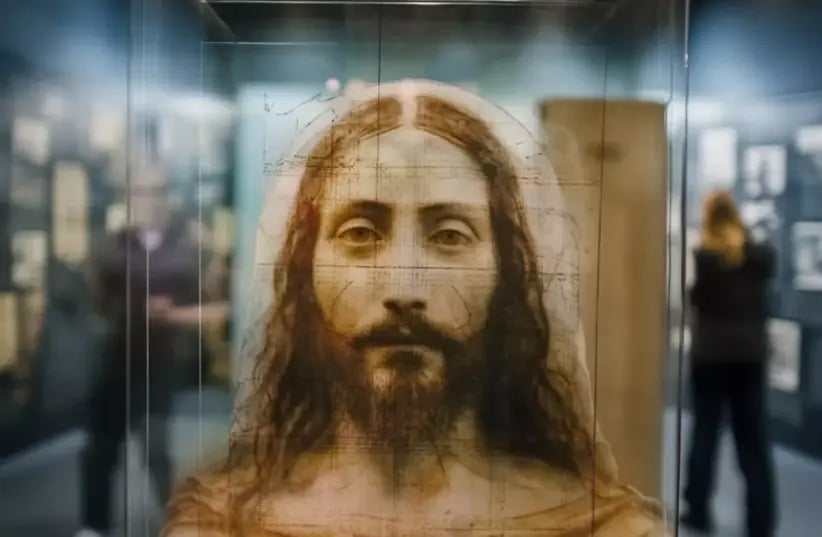
The shroud itself has been disputed for centuries. Stored at the Cathedral of St. John the Baptist in Turin, Italy, the linen cloth carries a faded negative image of a bearded man lying with arms folded across the body.
It first appeared in historical records in the 1350s, when a church official in Lirey, France, presented it as the burial cloth of Jesus. A Norman scholar called it a clear forgery within decades of that display, and a French bishop later told the pope that a painter had admitted creating it.
Contamination makes the cloth’s origins impossible to trace
Andrea Nicolotti, a historian at the University of Turin, said the cloth traveled across France, Switzerland, Belgium, and Italy over the centuries and was handled by countless people, making contamination inevitable and its origins impossible to trace through DNA alone.
He also pointed out that the weaving equipment needed to produce a cloth of this kind was not available anywhere in the Mediterranean world until well into the medieval period.
Christina Warinner of Harvard University said the human and microbial findings are likely sound, but the plant and animal identifications need careful verification and could turn out to be errors in the data.
Mann added that only fresh radiocarbon dating could challenge the 1989 Nature study that placed the cloth between 1260 and 1390, and that would mean removing another sample from the shroud, a step the Vatican has shown no willingness to approve.
See all the latest news from Greece and the world at Greekreporter.com. Contact our newsroom to report an update or send your story, photos and videos. Follow GR on Google News and subscribe here to our daily email!

