



The heist at the Louvre, even if it targeted smaller, high-value objects like jewels, invariably escalates the focus on the security of the museum’s entire collection, particularly its Ancient Greek masterpieces.
These world-renowned works, which represent irreplaceable cultural heritage, are often large, fixed sculptures, making them less prone to a quick “smash-and-grab” theft but vulnerable to vandalism or damage during a security breach. Experts say the incident demands an immediate and comprehensive security audit to protect these treasures.
Security concerns for ancient Greek masterpieces at the Louvre
The primary security concern is the sheer scale and high-profile nature of the Greek Antiquities department, which is spread across the Sully and Denon wings.
The grand, often historic architectural setting of the galleries, like the Daru Staircase, while beautiful for display, can complicate security patrols and rapid response. A disruption in one part of the museum suggests that other, less-crowded areas—such as the antiquity galleries—could be seen as targets for an opportunistic secondary attack or simply for vandalism.
While the colossal sculptures are safe from easy theft, the extensive collection of Greek vases and bronze figurines in the Galerie Campana and other rooms represents a greater risk. These items are small, portable, and extremely high-value on the black market due to their rarity and perfect provenance, making them ideal targets for organized crime rings.
Famous Greek works at the Louvre
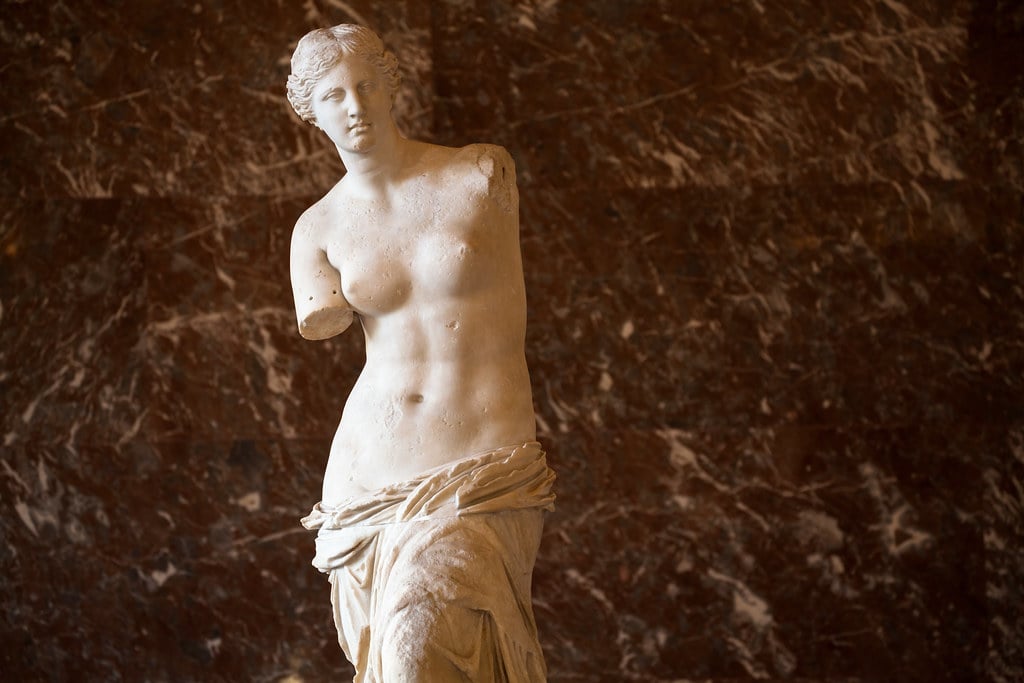
The Louvre’s two most famous Greek works serve as powerful symbols of the art:
- The Winged Victory of Samothrace (Nike): Displayed prominently at the top of the Daru Staircase (Denon Wing), its spectacular but open placement makes it a symbol of the Louvre’s magnificence, but also a potential target for attack during a security failure.
- The Venus de Milo: Housed in its own dedicated room (Sully Wing), this iconic marble statue of Aphrodite is the very embodiment of the museum’s Greek collection and would be catastrophic to lose or damage.
Other essential works include the large marble statues in the Salle des Cariatides, such as the Roman copy of Praxiteles’ Apollo Sauroktonos, and the vast and valuable collection of red-figure and black-figure Attic vases that tell the visual stories of Greek mythology and daily life. France has promised it will review security protocols at the Louvre.
See all the latest news from Greece and the world at Greekreporter.com. Contact our newsroom to report an update or send your story, photos and videos. Follow GR on Google News and subscribe here to our daily email!

