



A volunteer at Susita National Park in northern Israel has discovered a rare gold ring and earrings believed to be about 2,000 years old. Researchers from the University of Haifa confirmed that the jewelry dates to the Roman period.
The find took place during an excavation led by the university’s Institute of Archaeology. Eddie Lipsman, an overseas volunteer, located the items while scanning the ground with a metal detector in a designated dig area.
He said the device made a sharp sound, often a sign of valuable metal. After digging, he saw a yellow glint and unearthed a small gold ring. Moments later, he found two matching earrings nearby.
Lipsman described the ring as especially striking because of its delicate and unusual design. Researchers say such discoveries offer rare insights into daily life and burial traditions in the ancient city.
Discovery linked to a wealthy family in Roman Susita
Dr. Michael Eisenberg, who leads the excavation with Dr. Arleta Koblewska, said the jewelry likely belonged to the daughter of a wealthy family in Susita. He explained that the earrings, one of which is finely crafted, may have been left as burial offerings and survived looting in ancient times.
The artefacts are dated between the 1st and 3rd centuries AD, during the height of Roman influence in the region. Eisenberg added that the discovery is valuable because it adds to the evidence of the city’s prosperity at that time.
Alongside the gold pieces, the team uncovered dozens of fine plaster fragments from a Roman‑Byzantine neighborhood. The fragments, once part of decorated walls, had fallen long ago. Conservation work is now revealing their bright colors, offering a glimpse of the luxurious homes that once stood there.
Excavation focuses on residential quarters and public sites
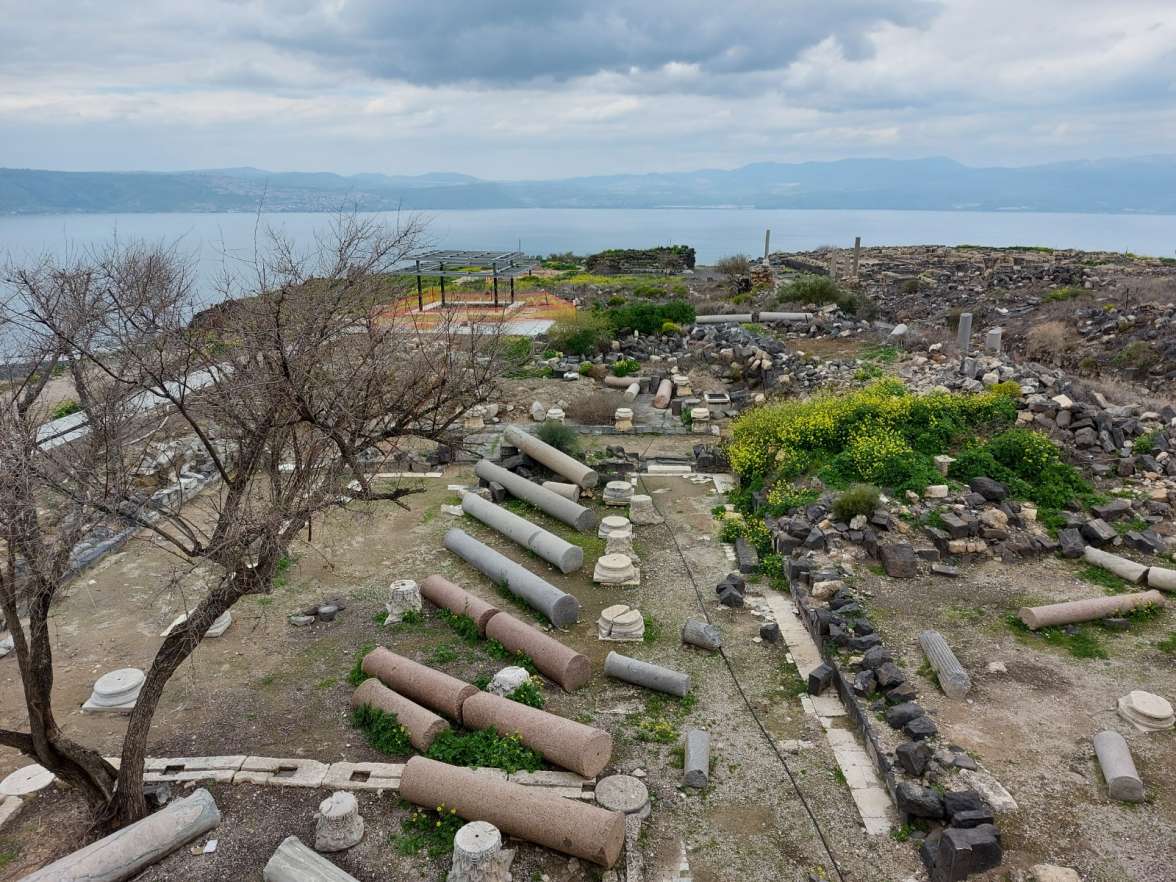
This year’s excavation is also focused on a large cathedral, a fully exposed Roman gate and several ancient cemeteries within the city.
Susita, known in Greek as Hippos, sits on the slopes of the Golan Heights east of the Sea of Galilee. Archaeologist Dr. Dror Ben‑Yosef of the Israel Nature and Parks Authority said the city’s name means horses.
Founded around 300 BC during the Hellenistic period, Susita flourished under Roman and Byzantine rule. It was later destroyed by an earthquake in 749 CE after the Muslim conquest. Excavations over the past 25 years have revealed significant remains from these eras, including public buildings and residential quarters.
The current excavation season will continue on weekdays until the end of July. Visitors are invited to watch the work and see the discoveries up close.
See all the latest news from Greece and the world at Greekreporter.com. Contact our newsroom to report an update or send your story, photos and videos. Follow GR on Google News and subscribe here to our daily email!

