



Greece expects an increase in olive oil production this year, after extreme heat and drought ravaged last year’s crop and forced olive oil prices to skyrocket.
According to the European Union’s preliminary projections, production in Greece for the 2024/2025 marketing year is estimated at 250,000 tons, marking a 42,8% increase compared to last year. Additionally, the overall production within the 27-member bloc is estimated at almost two million tons, marking a 32% increase compared to last season.
Producers have began harvesting their groves across Greece and expect their crop to be satisfactory. Τhis year’s first batch of early harvest olive oil (agourelaio) that marked the beginning of the olive oil production season came from the agricultural cooperative of the Agii Apostoli village in Lakonia, in the southern Peloponnese, at the beginning of October. It sold at 10,20 euros per liter. Greek olive oil is considered one of the best in the world.
Rain remains the key
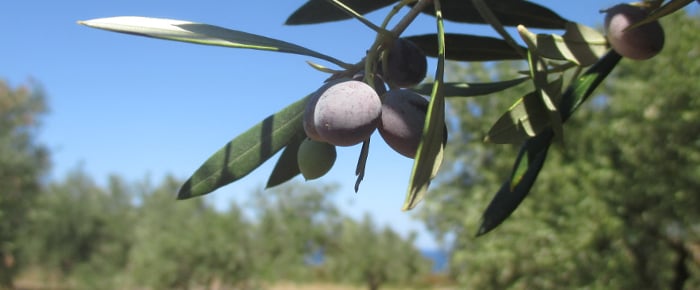
The prolonged, two-year drought, according to olive farmers and producers, has left olive crops in parts of the country small and slightly shrunk and some olive trees permanently damaged. After an exceptionally hot and dry summer in most of Greece, producers had counted on autumn rainfalls to compensate for the lack of water during the previous months in order for the crops to become fully ripe. In areas like Messinia in the southern Peloponnese, eastern Crete and the island of Lesvos these extreme weather conditions have even left many olive trees in a permanent state of dryness and have harmed part of the crop. The rainfall producers had hoped for did not arrive until mid-November, and now, those in the regional unit of Messinia, one of Greece’s biggest olive oil producers, say they are trying to salvage what they can.
“It’s true that in the days that followed the rainfall, olives have recovered,” Giorgos Lazogiannis, President of the co-operative ‘Messinia Union’, tells Eleftheriaonline.gr. “People should not go and collect (the olives), they should wait for at least ten days to see how things will go,” and adds that “the rain has softened the trees, and that’s the most important thing.” Yet, Lazogiannis highlights that the situation in groves where producers collected their olives before the rain, is “tragic.”
Increased production would mean lower olive oil prices
The expected increase in olive oil availability will affect olive oil prices, which peaked during January 2024. Last year’s limited production led to a surge in prices, forcing many Greeks to reduce olive oil use. Olive oil is a superfood and one of the main staples of the Greek diet. With a current price at 12-13 euros per liter in supermarket shelves, consumption in Greece has dropped by 26,7%. The industry estimates that in the coming months, retail prices could come down even by 25%.

Positive signs from Spain, world’s largest olive oil producer
Spain accounts for more than 40% of the global olive oil production and that makes it a reference for olive oil prices worldwide. This season, Spain, according to EU data, is expected to produce 1,289,900 tons of olive oil, a 51% increase compared to last year.
According to Spain’s Deoleo, the world’s largest olive oil producer, prices are expected to nearly halve over the coming months after reaching an all-time high.
“The outlook is positive for the coming months as the market is expected to begin to stabilize and normality is expected to be gradually restored as the new harvest progresses and supply increases,” Miguel Angel Guzman, chief sales officer at Deoleo, told MSNBC.
According to Deoleo, as 2024/2025 is a much better harvest season in key production countries such as Spain, Greece and Tunisia, one of the olive oil industry’s most challenging moments seems to be coming to an end. Yet Deoleo’s Guzman adds that after two years of drought, the industry “is facing the need to adapt to to an increasingly uncertain future due to climate change.”
See all the latest news from Greece and the world at Greekreporter.com. Contact our newsroom to report an update or send your story, photos and videos. Follow GR on Google News and subscribe here to our daily email!

