



Greek scientists have traced nearly 1,700 years of construction history through historical mortars from Jerusalem’s Tomb of Jesus Christ. Their findings reveal how generations of builders relied on locally sourced materials, experimented with organic additives, and adapted construction methods during successive restorations of the sacred monument.
The research, led by E. Aggelakopoulou, examined eight mortar samples collected during the 2016–2017 restoration of the Holy Aedicule by an interdisciplinary team from the National Technical University of Athens.
Located inside the Church of the Holy Sepulchre, the Holy Aedicule encloses the rock-cut burial site traditionally identified as the tomb of Jesus Christ.
Before the Greek-led restoration, the monument faced serious structural problems. An external iron framework installed in 1947 supported the structure. The restoration gave researchers access to previously inaccessible areas, allowing them to collect historical materials. Through microscopic examinations, chemical analyses, and dating evidence from earlier research, scientists identified three distinct groups of mortars.
Ancient builders relied on local materials
Gypsum dominated six of the eight mortar samples. Builders used the mineral both as a binding material and as small particles within their mixtures. The researchers linked some raw materials to the Hatrurim Formation, a regional geological formation containing rocks transformed under extreme temperatures. Limestone fragments containing microscopic fossils also matched geological formations common around Jerusalem.
The abundance of gypsum deposits and the region’s dry climate likely contributed to the material’s continued use over many centuries.
Roman-era mortars reveal advanced building techniques
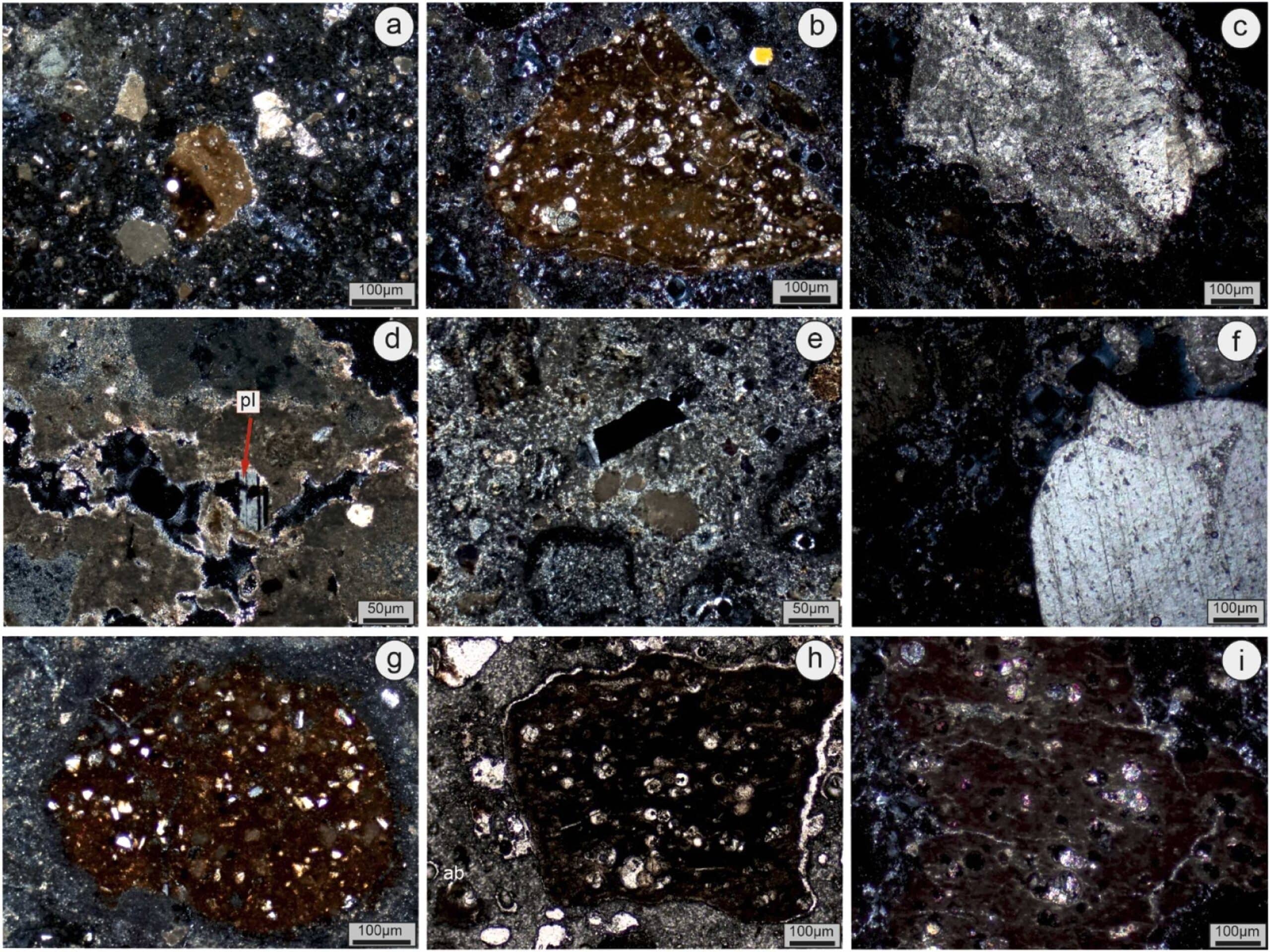
Dating and archaeological evidence linked the oldest mortars to the fourth-century construction period of Constantine the Great. Gypsum accounted for approximately 86% to 92% of these two samples. Researchers also discovered charcoal and charred plant fibers. While charcoal likely remained from fuel used to heat gypsum during production, the uniform size and distribution of the fibers suggest builders may have added them deliberately.
The fibers, possibly derived from flax or hemp, could have helped strengthen the mortar and reduce cracking. However, researchers could not rule out their presence as a byproduct of gypsum processing. Further analysis identified a small orange particle as likely natural resin, possibly containing beeswax. The organic materials suggest that ancient builders possessed advanced practical knowledge of construction materials.
Centuries of restoration reveal changing construction methods
Four mortar samples correspond to construction and repair activities between the 11th and 16th centuries, including Byzantine and Crusader interventions and restoration work by Boniface of Ragusa. These mixtures contained additional minerals that may have occurred naturally or resulted from deliberate additions to improve durability.
Researchers also identified altered forms of gypsum that may indicate exposure to extreme heat during the devastating fire of 1808. However, the changes could have originated during mortar production. Two samples associated with the subsequent reconstruction by architect Kalfa Komnenos point to a significant departure from earlier practices. Builders used lime-based mortars containing large quantities of crushed ceramics.
Marble fragments in later mortars also suggest builders may have reused debris from earlier sections of the monument. Scientists identified two minerals, ettringite and thaumasite, in a 19th-century sample. These likely formed through chemical reactions under humid conditions. Their development can cause expansion, cracking, and loss of structural strength. The findings offer valuable evidence for understanding historical construction practices and identifying deterioration processes that could affect the monument’s long-term preservation.
See all the latest news from Greece and the world at Greekreporter.com. Contact our newsroom to report an update or send your story, photos and videos. Follow GR on Google News and subscribe here to our daily email!

