



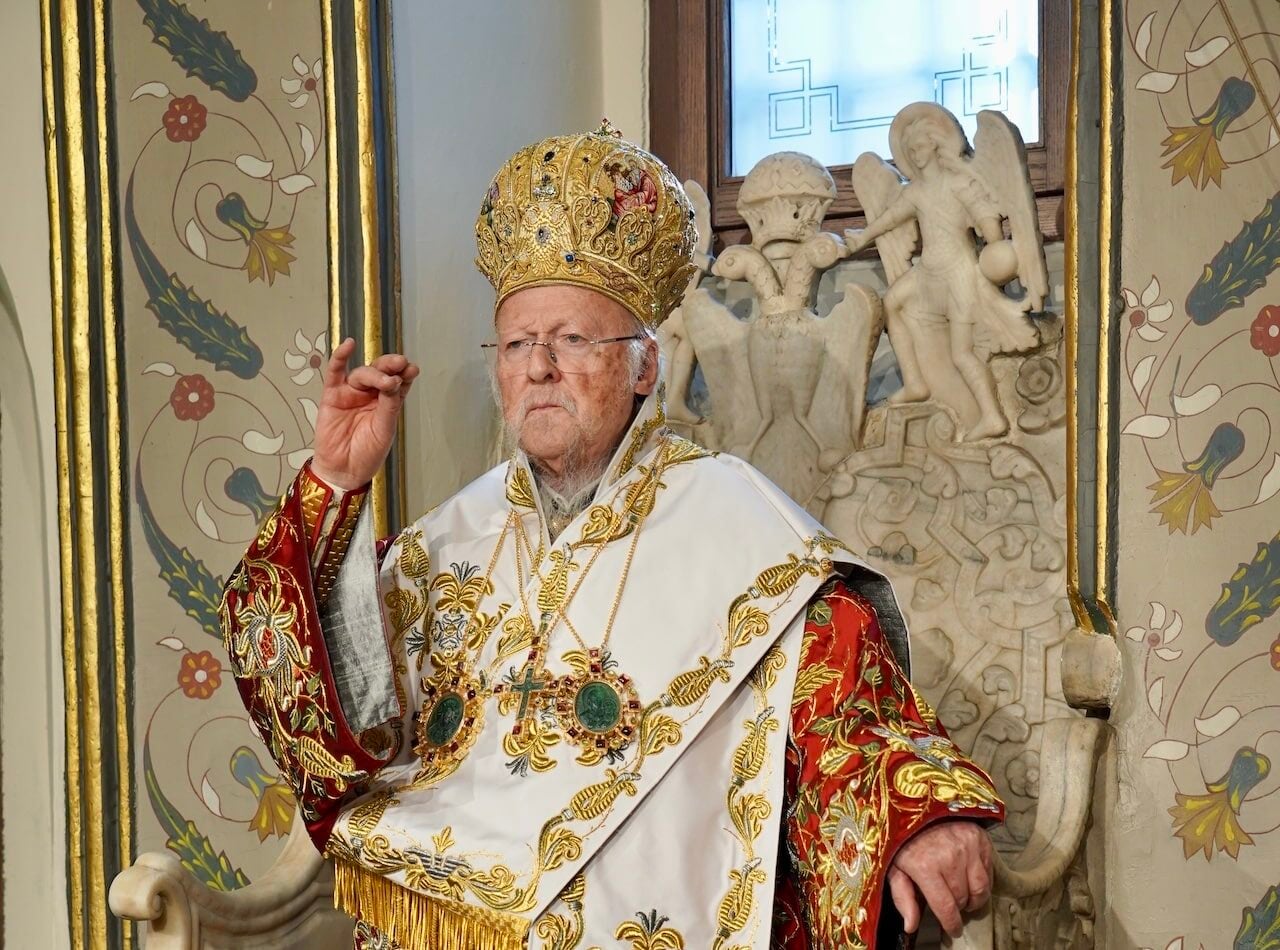
Turkey has reportedly approved citizenship applications for a group of hierarchs and clergy serving the Ecumenical Patriarchate, a development that could affect the pool of candidates and electors in a future patriarchal election.
According to reports, the list includes senior Orthodox leaders serving in Australia, Canada, Europe and Turkey, as well as clergy working at the Patriarchal Court in Constantinople.
The approval reportedly came after Ecumenical Patriarch Bartholomew submitted a list of names to Turkish President Recep Tayyip Erdoğan during a meeting on July 27, 2026. The naturalization process has not yet been completed, according to the reports.
Why Turkish citizenship matters
Turkey’s citizenship requirements have long affected the Ecumenical Patriarchate’s leadership and election procedures.
According to Greece’s Ministry of Foreign Affairs, administrative measures dating from 1923 and 1970 require candidates for the patriarchal throne and participating electors to hold Turkish citizenship and already serve in an ecclesiastical role in Turkey.
These restrictions limit the number of hierarchs eligible to take part in choosing the next Ecumenical Patriarch. Many senior clergy serve in Orthodox communities outside Turkey, including in Europe, North America and Australia.
The Greek government has called for the repeal of these measures and for the election process to follow the Orthodox Church’s canonical rules.
The US State Department has also documented Turkey’s requirement that members of the Holy Synod hold Turkish citizenship and its continued refusal to recognize the Ecumenical Patriarchate as a legal entity.
Who is reportedly on the list?
According to unverified reports, the list includes Archbishop Makarios of Australia and Archbishop Apostolos of Canada.
The metropolitans reportedly named are Vissarion of Spain and Portugal, Kyrillos of Rhodes, Amphilochios of Adrianople, Joseph of Proikonnisos, Job of Pisidia and Evangelos of Sardis.
Three bishops are also reportedly included: Ambrosios of Eudokiada, Smaragdos of Daphnousia and Isidoros of Andida.
The reported list also names archimandrites and deacons serving in administrative, secretarial and liturgical roles at the Patriarchal Court.
The names and the reported approval have not been independently confirmed through an official public announcement by the Ecumenical Patriarchate in the sources reviewed.
What it could mean for the Phanar
The reported development comes as Ecumenical Patriarch Bartholomew continues his 35th year as head of the Orthodox Church of Constantinople. Although no immediate succession has been officially announced, the eligibility rules make citizenship an important institutional issue.
However, Turkish citizenship alone does not automatically make every person on the reported list eligible to become patriarch. Eligibility depends on the applicable rules and the individual’s ecclesiastical position.
The reported approvals could broaden the group of hierarchs who meet the citizenship requirement, but they do not determine who will eventually be elected.
The issue also forms part of a wider debate over the Patriarchate’s status in Turkey. The Phanar regards itself as an institution with a universal spiritual mission, while the Turkish state has historically rejected its claim to an internationally recognized ecumenical role.
For the Patriarchate, the reported move could offer greater flexibility in addressing longstanding institutional constraints. Its practical significance will depend on the completion of the citizenship process and the rules governing any future election.
See all the latest news from Greece and the world at Greekreporter.com. Contact our newsroom to report an update or send your story, photos and videos. Follow GR on Google News and subscribe here to our daily email!

