



Ancient Greek resistance to barbarian invasions helped protect the Roman Empire during a period of military turmoil, according to a new study showing how local defenders worked with Roman officials when imperial forces were stretched thin.
Historian Edward Watts of the University of California, San Diego, argues that these partnerships helped the empire withstand attacks and political divisions in the 260s. Rome had already faced plague and repeated invasions when Emperor Valerian was captured by Persian forces in 260, leaving his son Gallienus confronting rival rulers and threats along the frontiers.
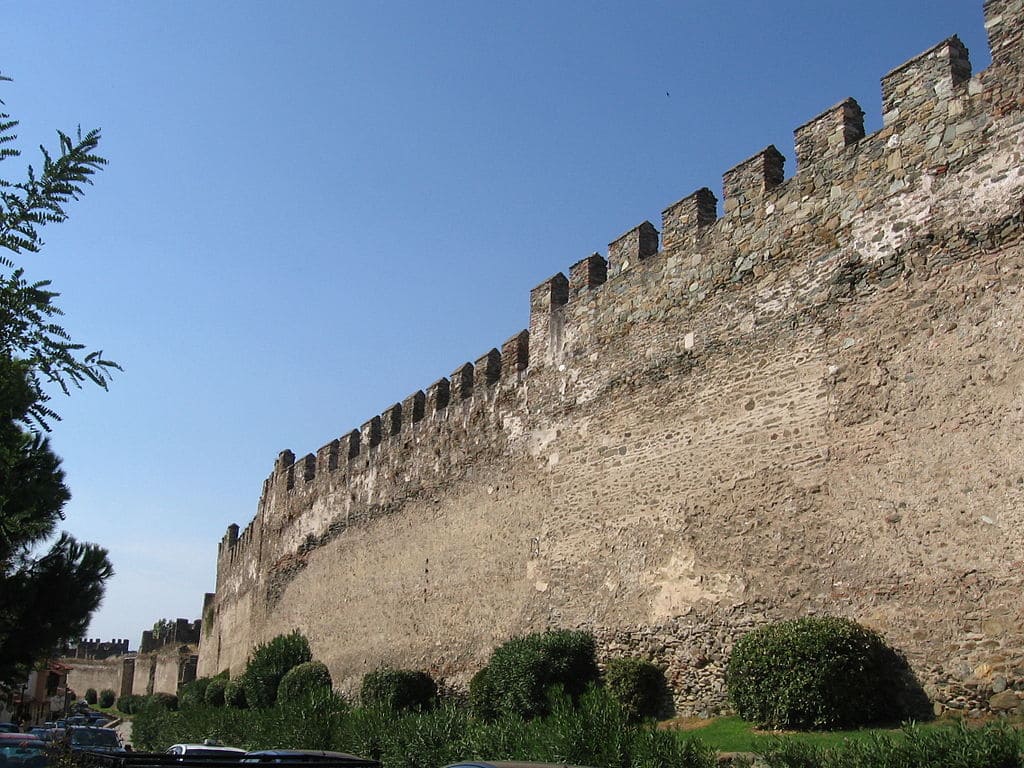
One example comes from around 262, when Goths failed to capture Thessaloniki and turned south toward Greek sanctuaries. Residents gathered at the narrow pass of Thermopylae with spears, axes, and improvised weapons.
They chose three commanders: Marianus, Rome’s governor in Greece; Philostratus of Athens; and Dexippus, an Athenian serving in Boeotia. The province lacked a regular Roman garrison to defend it.
How ancient Greek resistance to barbarian invasions worked with Roman command
The account appears in the surviving fragments of a history by Dexippus, an Athenian who lived through the crisis. Watts says the command structure mattered as much as the mobilization. Greek communities supplied fighters and regional leadership, but an imperial appointee directed their defense.

Dexippus also described a response to Herulian raiders in 267, when about 2,000 Athenians assembled to fight after their city was attacked. In a speech preserved in his history, he said, “I have learned that the emperor’s fleet is approaching to aid us.” The expected support reflected the same reliance on Roman military power.
The pattern extended beyond Greece. An inscription from Augsburg records how provincial soldiers and local residents defeated invading Juthungi on April 24 and 25, 260, and freed thousands of Italian captives. The force fought under a Roman official, providing independent evidence of cooperation between local communities and imperial commanders.
Local defenses helped hold a divided empire together
In the East, Palmyra’s leader Odaenathus joined local fighters with Roman troops after Valerian’s capture. Acting under Gallienus, he drove back Persian forces and defeated a rival claimant before receiving authority as Rome’s commander in the East.

Watts also examines Postumus, who ruled Gaul and other western territories separately. His coins presented him as a defender of provincial interests while retaining Roman forms of authority.
The study cautions that speeches in Dexippus’ history were partly literary reconstructions, not necessarily verbatim accounts. Still, Watts argues that strong local loyalties did not have to weaken the empire.
Cooperation helped communities resist attacks and made it easier for Emperor Aurelian to restore central rule by 274. Later reforms, however, reduced the independence of the local forces that had helped Rome survive.
See all the latest news from Greece and the world at Greekreporter.com. Contact our newsroom to report an update or send your story, photos and videos. Follow GR on Google News and subscribe here to our daily email!

