



Ancient Greek texts and Byzantine ruins are helping researchers piece together the history of roadside inns in Anatolia, where travelers may have found shelter inside rock-cut settlements as warfare made exposed routes less secure. A new study suggests that some complexes long viewed mainly as religious sites could also have offered a place to rest for merchants and pilgrims.
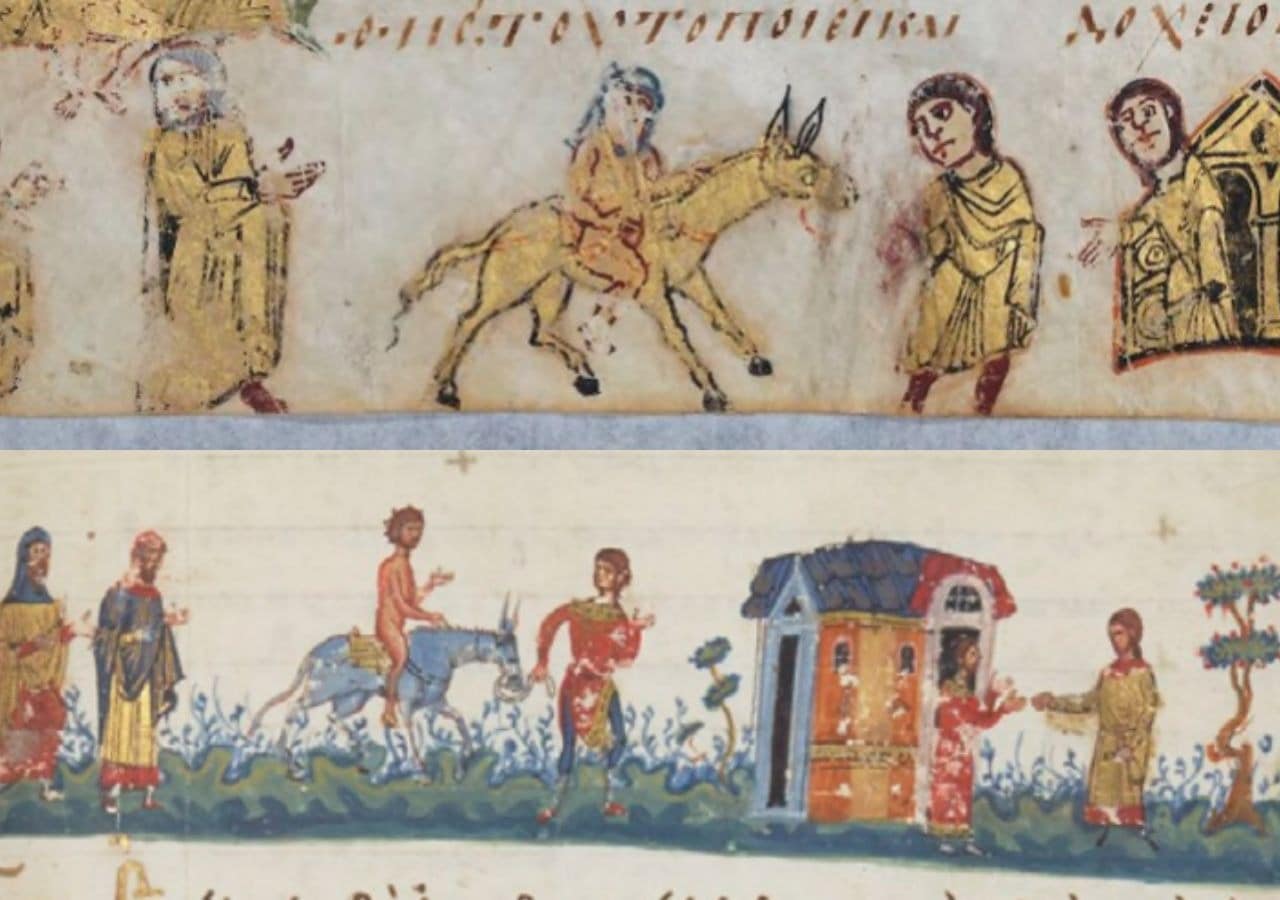
The research, published in the journal “Propontica,” was conducted by Egemen Deniz and Zeliha Demirel Gökalp of Anadolu University. It examines lodging places known as “pandocheia,” (Greek: Πανδοχεία) which served travelers and their animals. The researchers compared historical accounts, inscriptions, mapped road networks, and rock-cut buildings across central Anatolia.
Their main focus is the Kırkinler Rock Complex in ancient Phrygia, near present-day Afyonkarahisar. The site stands along the Pessinus-Synnada trade route and includes multiple rooms, a church, tombs, water channels, and spaces interpreted as stables. Those features raise the possibility that it had more than one purpose.
Ancient Greek texts and Byzantine ruins provide clues to roadside inns
The history reaches back to ancient Greece. The Athenian orator Demosthenes mentioned an inn near the Temple of the Twins at Pherae, while the ancient Greek writer Strabo described other inns. The term “pandokheion,” used for these lodgings, came from Greek words associated with welcoming everyone.

The study also points to physical examples. At Pydna in northern Greece, excavations identified a Byzantine inn with rooms, a courtyard, and an area for animals. In Anatolia, inscriptions near Sykeon and at Korykos provide evidence of inns and innkeepers. Some inns offered meals, storage, and shelter for pack animals.
But open roadside lodgings faced growing problems after the late seventh century, when raids and military insecurity disrupted travel across Anatolia. Researchers suggest travelers sometimes used safer secondary routes, and rock-cut settlements may have met some of their needs.
Why the Kırkinler complex remains a mystery
Kırkinler sits roughly 50 kilometers (31 miles) from both ends of the studied route, near Dokimeion, an ancient center of marble production. Its position may have made it a useful stop for people transporting goods. Its rooms, storage areas, and places to tie animals fit that possibility, though they also served everyday community life.
The authors stress that no evidence proves Kırkinler was a commercial inn. Its church and burial ground point strongly to religious activity, and features such as stables cannot establish lodging on their own. It may instead have been a religious settlement that occasionally welcomed travelers.
The findings call for another look at similar rock-cut sites, where the practical needs of travelers may have overlapped with worship and local life. Further archaeological work is needed to determine how widely this arrangement existed.
See all the latest news from Greece and the world at Greekreporter.com. Contact our newsroom to report an update or send your story, photos and videos. Follow GR on Google News and subscribe here to our daily email!

