



Turkey’s invasion of Cyprus in 1974 and Russia’s war in Ukraine followed a similar strategy of political disruption, military intervention and efforts to make territorial gains permanent, according to a new study.
The research, published in the journal Comparative Strategy, argues that countries seeking to change borders often weaken their targets before sending troops. After capturing territory, they use political pressure and negotiations to strengthen their control.
Michail Ploumis, a researcher at the National and Kapodistrian University of Athens, identifies three stages in what he calls a “revisionist strategy.” These involve undermining political institutions, launching military operations, and consolidating occupied territory. The stages can also overlap.
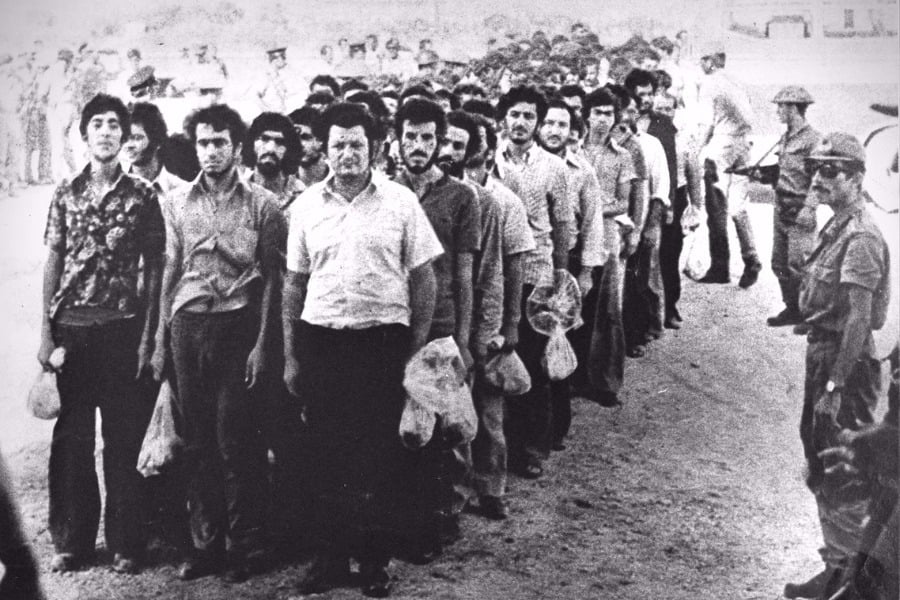
Ploumis traces the pattern to Cyprus, where a coup organized by Greece’s military junta ousted President Archbishop Makarios on July 15, 1974. Turkey invaded five days later and controlled 36% of the island by August. Decades of negotiations have failed to resolve the island’s division.
How Turkey’s invasion of Cyprus resembles Russia’s campaign in Ukraine
The study argues that Ankara used the coup to justify a military operation planned in advance. In the following decades, Turkey pursued what Ploumis calls “coercive gradualism,” pressing for international recognition of a separate Turkish Cypriot state.
Russia followed a comparable approach, according to the research. It annexed Crimea in 2014, supported separatist movements in eastern Ukraine and promoted narratives questioning Ukrainian statehood. Moscow also used cyberattacks, political influence and energy pressure before its full-scale invasion.
When Russian troops entered Ukraine in February 2022, Moscow portrayed the attack as a “special military operation” aimed at protecting Russian speakers and achieving “denazification.” Ploumis compares those claims with Turkey’s stated justification of protecting Turkish Cypriots in 1974.
Both governments, he argues, used such explanations to justify military intervention.
Ukrainian resistance exposes a major difference between the two invasions
Russia’s initial attempt to capture Kyiv quickly faltered amid logistical problems, poor military coordination and strong Ukrainian resistance. Western assistance also helped Ukraine prevent Moscow from achieving its broader early objectives, the study says.

Russia subsequently shifted its focus toward eastern and southern Ukraine. In September 2022, Moscow declared the annexation of occupied Ukrainian regions following staged referendums. Ploumis also compares Russia’s efforts to alter populations in occupied areas with Turkish settlement policies in northern Cyprus.
The study identifies a major difference in the response to aggression. Cyprus lacked effective support in 1974, while Ukraine resisted with extensive Western backing. Ploumis concludes that political unity, military preparedness, and strong alliances can disrupt such territorial campaigns, although the resulting conflicts may continue for years.
See all the latest news from Greece and the world at Greekreporter.com. Contact our newsroom to report an update or send your story, photos and videos. Follow GR on Google News and subscribe here to our daily email!

