



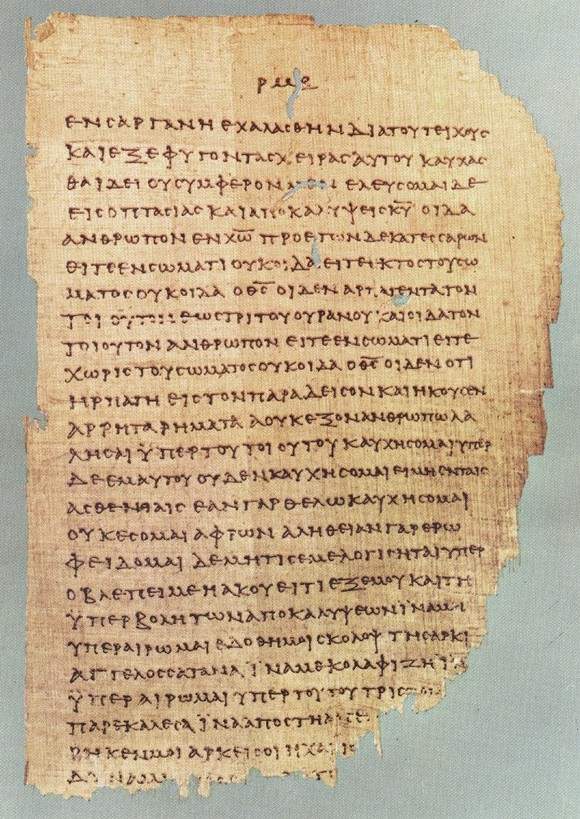
Ancient Greek scribes appear to have followed different spelling rules, even when recording the same sounds, according to a study of papyrus documents from Egypt. Although conflicting vowel spellings appeared during the same historical periods, they seldom appeared together in individual texts, suggesting writers often maintained their own patterns.
José Antonio Berenguer-Sánchez, a researcher at the Spanish National Research Council, analyzed documents written in Greek between the third century B.C. and the eighth century A.D. His findings were published in the journal “Symbolae Osloenses.”
During that period, Greek pronunciation was changing. Some vowels moved closer together in sound, while distinctions between long and short vowels faded. Written forms did not change in a uniform sequence.
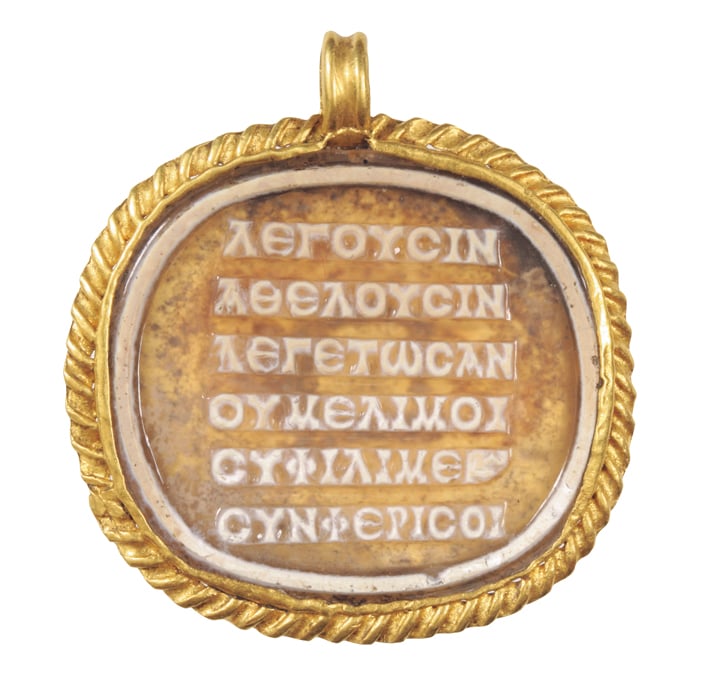
Instead, older and newer spellings circulated at the same time, complicating efforts to trace how Greek developed. One letter could represent more than one sound, and different letters could represent the same sound.
How ancient Greek scribes used different spelling rules
Berenguer-Sánchez compared irregular spellings in the Duke Databank of Documentary Papyri with entries in the Trismegistos Text Irregularities database. His analysis focused on vowel substitutions that might seem contradictory if used by the same writer.
For example, the Greek letter “eta” (η) was sometimes written where standard spelling used “iota” (ι) and, in other instances, where it used “epsilon” (ε). These substitutions could suggest different pronunciations.
But they occurred together in only 2.94% of the relevant papyri. After examining possible misreadings and other explanations, the researcher suggested the figure could fall to about 0.5%.
Other seemingly conflicting spelling combinations also appeared together in fewer than 5% of the texts examined. One pair of substitutions involving vowels before another vowel occurred in just 24 of 2,592 papyri, or 0.92%.
The researcher described the evidence as pointing to “different standards among scribes.” Some texts contained many unusual spellings without combining the apparently incompatible forms.
Changing vowel sounds left different patterns across Greek papyri
The study also found that several vowel spellings appeared together during the Ptolemaic period, not in the sequence earlier accounts might suggest. Their frequency shifted over centuries, suggesting gradual change.

Changes in pronunciation were not necessarily the only influence. The paper also considers education, writing habits, and the possible influence of Egyptian on people writing in Greek. The surviving record has limits: the databases mainly capture forms corrected by modern editors, not every unusual spelling preserved on papyrus.
Berenguer-Sánchez said closer examination of individual documents is needed to establish how widely the differing conventions were shared. For now, the evidence suggests Greek writing followed different standards from those of classical and modern times.
See all the latest news from Greece and the world at Greekreporter.com. Contact our newsroom to report an update or send your story, photos and videos. Follow GR on Google News and subscribe here to our daily email!

