




Greece’s Ikaria has long been famous for its exceptional longevity, and now a Sardinian village is attracting attention for a similar reason. A new study suggests that Bolotana, a small mountain community in central Sardinia, could become another “Blue Zone,” a region where people have unusually high chances of living to an advanced age.
The study, published in “Frontiers in Aging,” found that women reaching age 70 in Bolotana had an estimated 13.83% chance of surviving to 100 under mortality conditions recorded between 2021 and 2025. The comparable figure across Italy was 3.54%.
Women in the village also had an estimated 20.85 years of remaining life expectancy at age 70, nearly three years more than the national average. Researchers identified 19 residents who reached 100 during the study period, including 14 women.
Why Ikaria and a Sardinian village are attracting longevity researchers
The Greek island of Ikaria has long interested scientists studying why some populations live longer. Located in the eastern Aegean Sea, it became internationally known after research found an unusually high share of residents surviving into their 90s.
In 2009, researchers confirmed at least 124 residents aged 90 or older on Ikaria. They represented about 1.49% of the island’s population, compared with 0.33% on the Greek mainland.
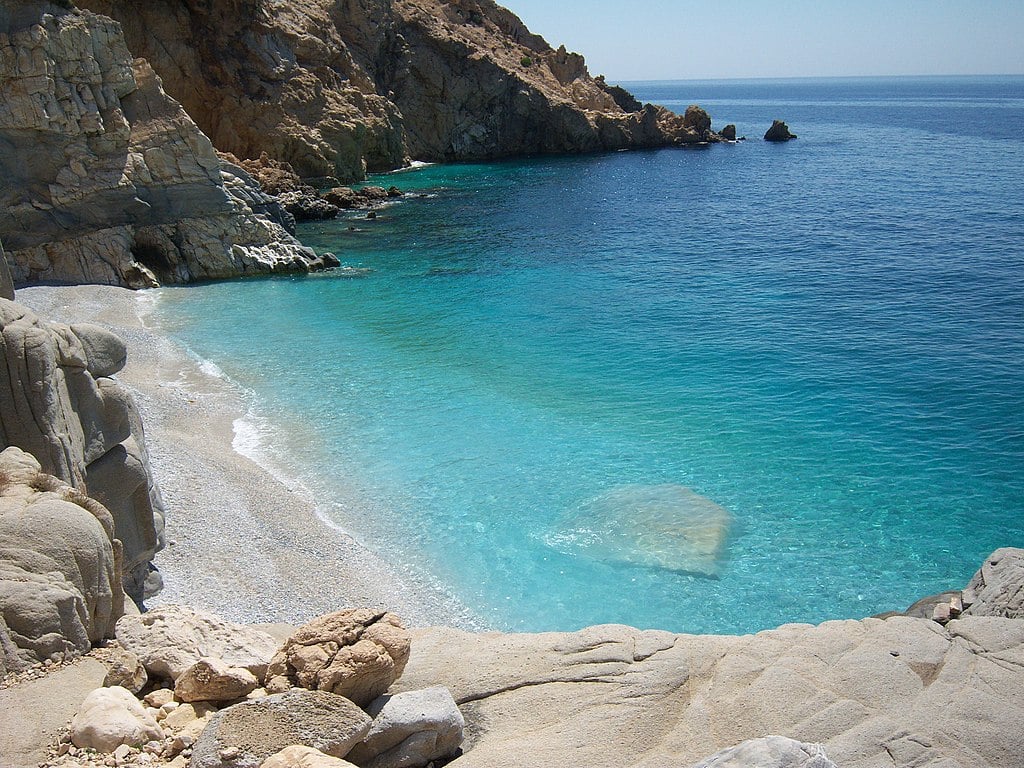
Studies have also examined the islanders’ Mediterranean diet, daily activity and close social relationships. One study involving 71 residents aged 90 and older found that nearly 78% had daily social contact, while about 72% reported moderate or high physical activity.
These findings have helped make Ikaria a leading example of Mediterranean longevity, although researchers have not established which lifestyle factors explain its unusual survival rates.
Sardinia already has an established Blue Zone, historically known for exceptional male longevity. Bolotana lies outside that region, and its recent survival advantage is particularly strong among women.
Why Bolotana is not yet another established Blue Zone
Researchers examined civil and church records to verify residents’ ages. They also confirmed that 38 of the 3,060 people born in Bolotana between 1900 and 1925 had reached 100.

However, an analysis covering 2015 to 2019 showed considerably lower survival estimates. Researchers say the difference raises questions about whether Bolotana’s recent advantage will continue. The study did not establish whether diet, exercise, genetics, or social relationships explain the findings.
For now, Bolotana remains a potential new Blue Zone rather than a confirmed counterpart to Ikaria. Researchers say further demographic studies are needed to determine whether its remarkable longevity is a lasting feature of the community.
See all the latest news from Greece and the world at Greekreporter.com. Contact our newsroom to report an update or send your story, photos and videos. Follow GR on Google News and subscribe here to our daily email!

