



Scientists have linked a severe drought associated with Mycenaean Greece’s collapse to climate changes originating in the Atlantic Ocean. New research suggests that shifts in ocean circulation and temperatures intensified dry conditions across the eastern Mediterranean around 3,200 years ago, placing additional pressure on civilizations already facing political and economic instability.
The study, led by Katherine Power, identifies how Atlantic climate patterns may have contributed to a prolonged drought between 1400 and 900 BC. This period overlaps with the collapse of Mycenaean civilization around 1200 BC.
Researchers found that several climate processes acted together to reduce rainfall and water availability. The findings help explain how events far beyond the Mediterranean could have affected ancient Greece.
How the Atlantic Ocean contributed to drought in ancient Greece
Researchers used an advanced climate simulation called EC-Earth3 to examine environmental changes over 8,000 years. The model tracked ocean temperatures, atmospheric circulation, rainfall, and moisture availability. It identified three major drought periods, occurring around 4000 to 3500 BC, 2600 to 2100 BC, and 1400 to 900 BC.
The last coincided with the Late Bronze Age collapse. The analysis pointed to changes in the Atlantic Meridional Overturning Circulation, a system of ocean currents that moves heat through the Atlantic. Fluctuations in this circulation affected Mediterranean temperatures and the amount of moisture available in the atmosphere.
Could the Atlantic Ocean have played a role in the collapse of Mycenaean Greece?
Scientists have traced a severe drought 3,200 years ago to shifts in Atlantic Ocean circulation, revealing how distant climate changes may have helped bring down an ancient civilization. pic.twitter.com/RSnXLQ5aMH
— Tom Marvolo Riddle (@tom_riddle2025) November 13, 2026
Researchers also identified the influence of the North Atlantic Oscillation, a climate pattern that affects the movement of storms. Certain phases can push storm tracks farther north, reducing rainfall across the Mediterranean. The study suggests that severe drought developed when several climate patterns entered dry phases at roughly the same time. Their combined effects produced stronger water shortages than any single process could explain.
Atlantic-driven drought may have weakened Mycenaean civilization
The simulation showed a sharp decline in moisture availability during the drought associated with the Late Bronze Age collapse. Across the Balkans and Anatolia, the difference between precipitation and potential evaporation fell by approximately 120 to 144 millimeters annually during the severe dry period. Such conditions could have threatened agricultural production in societies heavily dependent on rainfall.
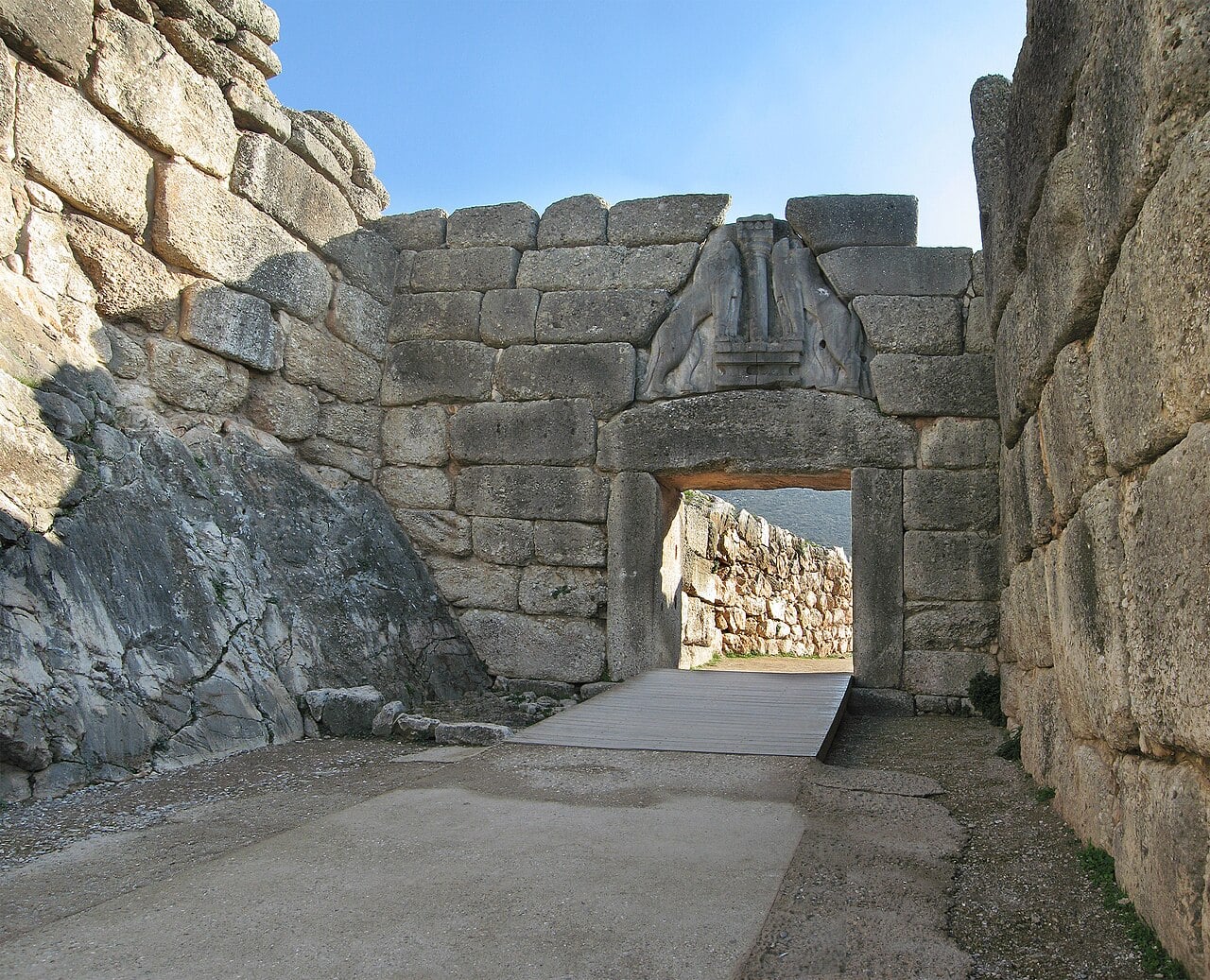
The Mycenaean states relied on organized palace economies, farming, and extensive trade networks. Extended drought could have disrupted harvests, weakened food supplies, and increased pressure on these systems.
Researchers suggest that worsening environmental conditions may have contributed to the political and economic disruptions that accompanied the civilization’s decline. However, the study does not establish drought as the sole cause of the collapse. Historians continue to examine several possible explanations, including conflict, economic instability and changing trade networks.
Ancient climate evidence supports Atlantic connection
Researchers compared their model with ancient climate records preserved in caves, lake sediments and marine deposits across Greece, Turkey and the Levant. These records showed evidence of reduced moisture during periods that broadly matched the simulated droughts. Earlier research also linked prolonged drought to the Bronze Age collapse.
The new study goes further by identifying the ocean and atmospheric processes that could have produced such conditions. Researchers found that long-term changes in Earth’s orbit gradually reduced Northern Hemisphere summer sunlight. This weakened African monsoons and reduced freshwater entering the Mediterranean. Against this changing climate background, shorter periods of Atlantic Ocean variability intensified regional drought.
The model cannot determine the exact timing of individual historical droughts. Instead, it demonstrates how interacting climate processes could have produced severe dry conditions during the Late Bronze Age. The findings also raise questions about future Mediterranean droughts. Researchers suggest that changes in Atlantic circulation, combined with rising temperatures, could influence the severity of water shortages in the region.
See all the latest news from Greece and the world at Greekreporter.com. Contact our newsroom to report an update or send your story, photos and videos. Follow GR on Google News and subscribe here to our daily email!

