




Europe is missing out on about €120 billion ($130 billion) in investment every year, a gap researchers tie directly to fragmented rules across the European Union’s single market. The estimate comes from a new study by the Italian research group TEHA, done in partnership with Amazon, which looked at why businesses invest less across Europe than the size of its economy would suggest.
The report argues that Europe does not function as one unified market for investors. Differing regulations, permitting rules, and administrative procedures across member states often force companies to treat each country as a separate market.
Researchers found that 62% of European firms report difficulty expanding into other EU countries because of these mismatched rules. Removing such barriers could raise business investment by roughly 10%, the study estimates, with even larger gains for spending on research, software, and other intangible assets.
Slow permits leave Europe missing billions in energy investment
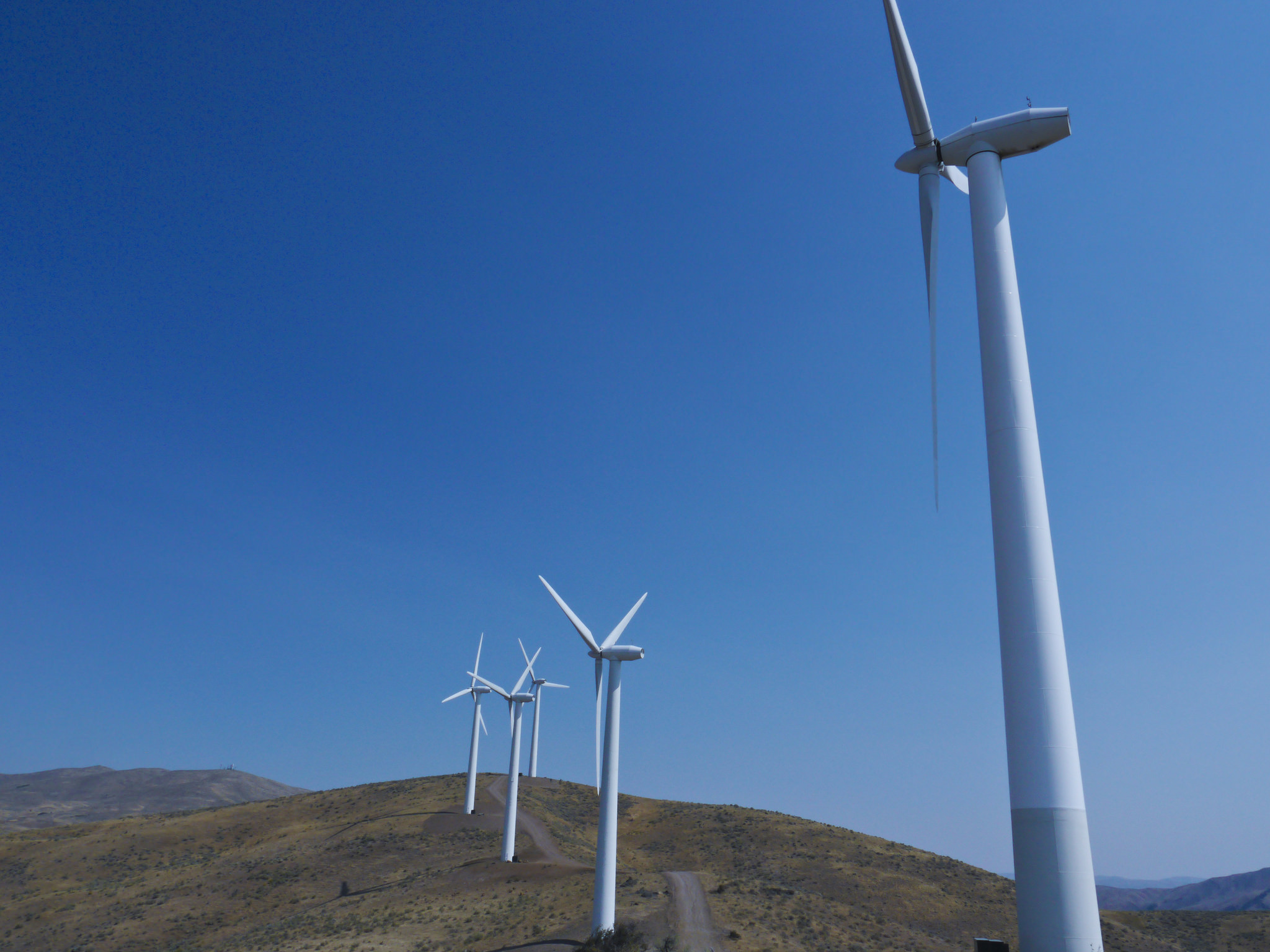
Permitting delays add to the problem, especially in the energy sector. Major electricity grid projects often take four to five years for approval, and some renewable energy projects can take up to nine years, the report says. Long approval times raise costs and discourage private investors from funding projects that already involve long timelines and financial risk.
The study also points to a wider infrastructure funding gap. Citing the earlier Draghi Report, researchers estimate the EU needs about €600 billion ($650 billion) a year in infrastructure spending through 2030, covering transportation, energy, and digital networks.
Weak cross-border coordination on data, energy, and labor mobility makes it harder for individual countries to justify projects whose benefits extend beyond their own borders.
Labor shortages and legal delays test reform efforts
Beyond infrastructure, the report points to other obstacles holding back investment. Firms surveyed by the European Investment Bank named the availability of skilled workers, economic uncertainty, and high energy costs as the biggest barriers to investing in 2025.
Europe’s aging population and shrinking workforce, projected to lose about 30 million workers by 2050, add further pressure. Judicial delays, uneven enforcement of rules like the AI Act, and separate national digital taxes complicate matters further for companies operating across borders.
Despite these challenges, the report notes several member states offer working models for reform, including Italy’s competitive high-speed rail market, Spain’s low-cost renewable energy system, and Finland’s data-sharing framework.
Researchers conclude that Europe is missing a significant share of potential investment because of these self-inflicted barriers, and that closing the gap will require coordinated policy changes rather than isolated fixes in individual countries.
See all the latest news from Greece and the world at Greekreporter.com. Contact our newsroom to report an update or send your story, photos and videos. Follow GR on Google News and subscribe here to our daily email!

