



Foreign Minister of Turkey Hakan Fidan confirmed that high-stakes negotiations to lift U.S. defense sanctions for the F-35 stealth fighter are taking longer than Ankara anticipated.
Fidan addressed the complex diplomatic standoff during a strategic appearance in New York on September 21, 2026.
Despite the administrative delays, he emphasized that both Washington and Ankara retain the political will to resolve the impasse.
Turkey continues to aggressively pursue access to the fifth-generation F-35 aircraft. Simultaneously, Ankara is advancing a parallel procurement program for European delta-wing fighters to modernize its aging air force.
Why Washington excluded Turkey from the F-35 program
The geopolitical rift began in July 2019 when Washington abruptly removed Turkey from the multinational F-35 partnership.
Ankara triggered the expulsion by purchasing and deploying Russia’s sophisticated S-400 air-defense missile system.
In December 2020, the United States escalated the penalty by sanctioning Turkey’s defense procurement agency under the Countering America’s Adversaries Through Sanctions Act (CAATSA).
While President Donald Trump pledged during a July 7 Ankara summit to consider lifting the embargo, strict legal barriers remain intact. The U.S. Congress legally bound all military aircraft transfers to Turkey’s total divestment of the Russian missile system. Consequently, improved diplomatic ties alone cannot bypass these statutory restrictions. Any final agreement must explicitly resolve the S-400 issue to satisfy American federal law.
Building a Eurofighter bridge
Because of the prolonged American deadlock, Turkey is actively executing a parallel €3 billion European fighter procurement strategy.
Ankara and London signed a binding agreement for 20 British-built Eurofighter Typhoons on October 27, 2025.
The two governments expanded this partnership on March 25, 2026, by finalizing an extensive training and support contract. Under this defense package, British instructors will train 10 Turkish pilots and nearly 100 ground technicians.
The agreement also covers advanced electronic warfare capabilities, training simulators, and initial spare parts.
This multi-layered chronology proves that Turkey views the Eurofighter as a parallel fleet modernization effort. It represents a immediate booster for national defense rather than a sudden retreat from American stealth technology.
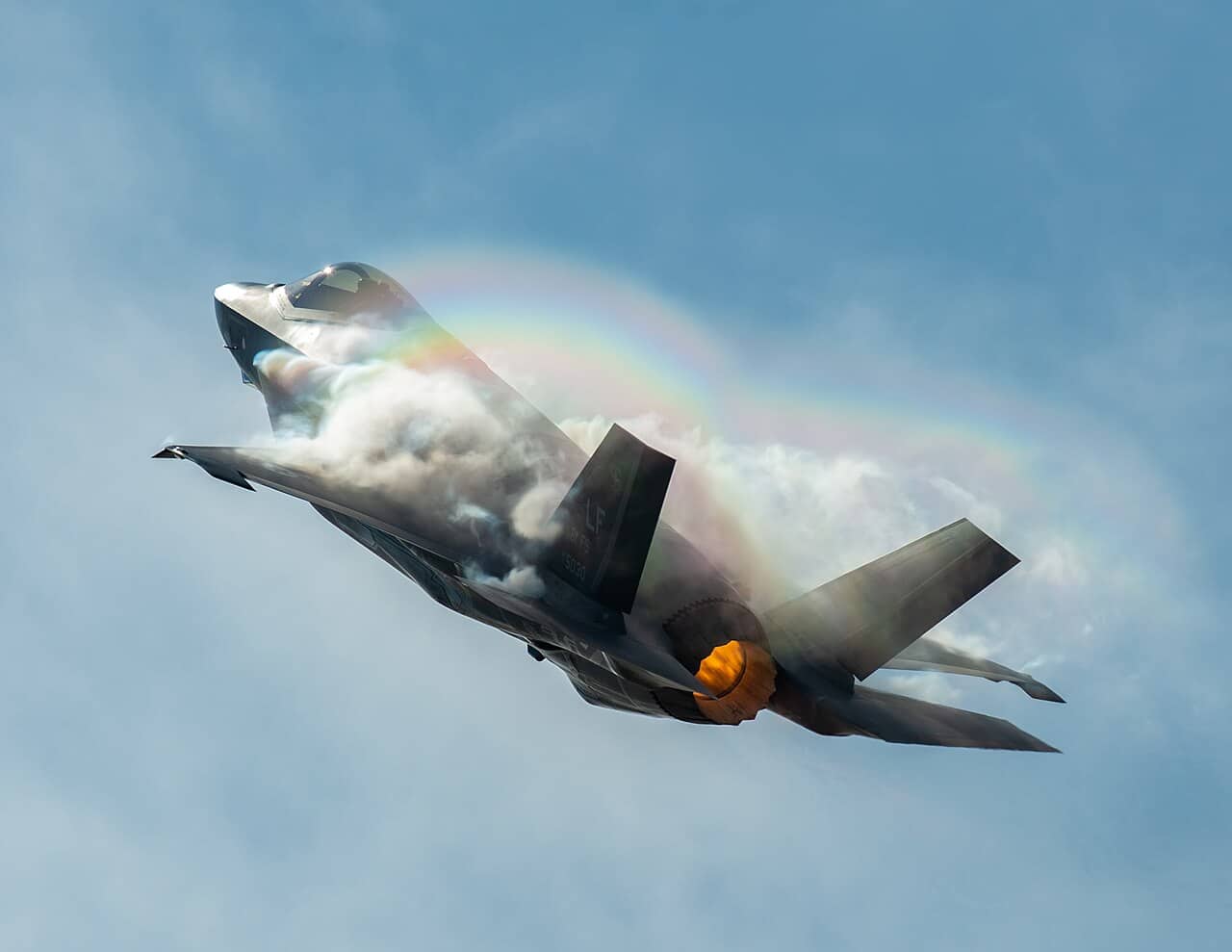
The Aegean Airpower Imbalance
Securing fifth-generation stealth technology remains paramount for Ankara as neighboring Greece rapidly advances its own air superiority.
Athens officially signed an acceptance letter for 20 F-35A fighters in July 2024, maintaining an option for 20 additional jets.
Greek Defense Minister Nikos Dendias recently fast-tracked major infrastructure upgrades at Andravida Air Base to integrate the stealth fighters ahead of scheduled 2028 deliveries. This clear acquisition path threatens to grant Greece a definitive technological advantage in the Aegean.
The F-35 delivers low-observability radar evasion, advanced sensor fusion, and real-time battlespace data sharing. These fifth-generation capabilities far outpace the upgraded radar systems of Turkey’s current F-16 fleet.
To counter this looming capability gap, Turkey is also developing KAAN, its indigenous fifth-generation fighter program. However, until its domestic stealth prototypes achieve full combat readiness, Ankara must continue walking a tense diplomatic tightrope between Washington and London.
See all the latest news from Greece and the world at Greekreporter.com. Contact our newsroom to report an update or send your story, photos and videos. Follow GR on Google News and subscribe here to our daily email!

