



Scientists have identified new Denisovan remains in Southwest China, confirming the ancient presence of this extinct human group in a region long missing from the fossil record. The discovery was published in the journal Nature and led by Huiyun Rao of the Chinese Academy of Sciences in Beijing.
The bones were recovered from Bianfu Cave in Yunnan province, an area that had never before yielded confirmed Denisovan fossils. Researchers sorted through more than 60,000 bone fragments collected at the site, using a screening method called zooarchaeology by mass spectrometry to narrow down which pieces might belong to an ancient human.
The most promising fragments then went through detailed protein testing. That testing confirmed three of the bones as Denisovan: two small pieces of skull and part of an arm bone known as a radius. Two teeth found earlier at the same site were also confirmed as Denisovan through the same process.
Denisovan remains confirm a missing presence in Southwest China
The remains date back roughly 134,000 to 167,000 years. Researchers said the cave sat within a mild stretch of an otherwise cold glacial period, likely surrounded by forest that supported large herds of grazing animals. That steady food supply may have made the area appealing to Denisovans looking for a place to settle.
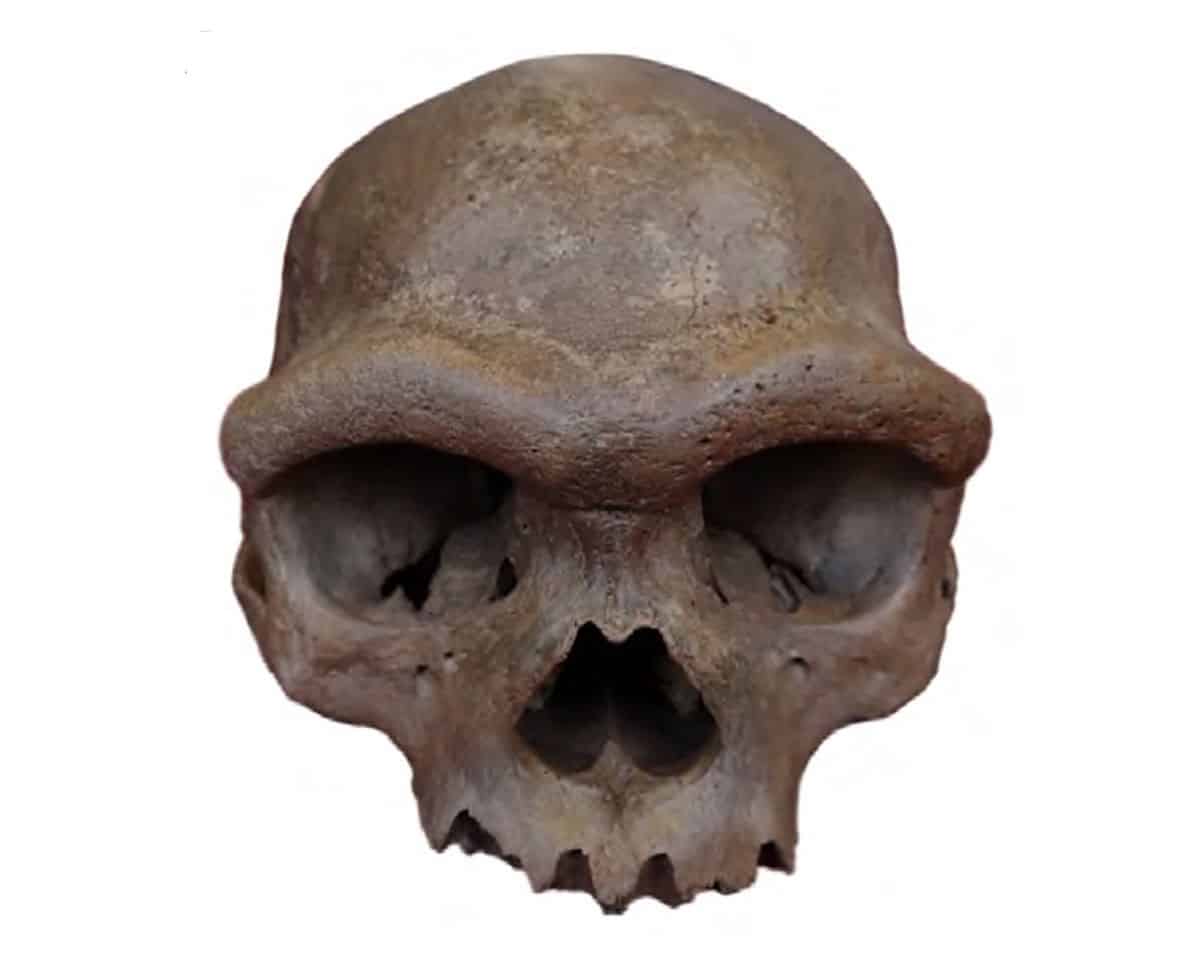
The location of the find matters as much as the bones themselves. Most confirmed Denisovan remains have come from Siberia, the Tibetan Plateau, Taiwan and northeastern China. That left Southwest China without direct evidence of their presence, even though genetic studies show that modern populations in Southeast Asia and Oceania carry notable Denisovan ancestry.
Bianfu Cave now holds more confirmed Denisovan remains than any site outside Denisova Cave in Siberia, where the group was first identified more than a decade ago.
A rare arm bone opens a new window into Denisovan life
The arm bone drew special interest because no other confirmed Denisovan radius has ever been found. Rao and colleagues said the bone shares some features with Neanderthals, including a large joint surface at the elbow, but its overall shape and proportions look more like those of modern humans.
The study noted that this mix of traits suggests Denisovans may have used their arms in ways distinct from both groups, pointing to different patterns of daily physical activity.
Rao said the discovery helps fill a major gap in scientific knowledge, since only a small number of Denisovan bones have ever been recovered anywhere. Researchers said future work, including efforts to pull ancient DNA from the Yunnan site, will be needed to determine how this population relates to other known Denisovan groups across Asia.
See all the latest news from Greece and the world at Greekreporter.com. Contact our newsroom to report an update or send your story, photos and videos. Follow GR on Google News and subscribe here to our daily email!

