



The Ancient Greek world produced leaders, generals, and great men whose actions shaped the history of the Mediterranean world and whose statues and depictions immortalize them, offering insight into their achievements and enduring legacies. From the valor of Spartan kings to the political skill of Athenian statesmen, these men combined courage, strategy, and vision. Their lives reflected the complex interplay of warfare, diplomacy, and civic duty in the classical world.
Alexander the Great, one of the greatest Ancient Greek men in history
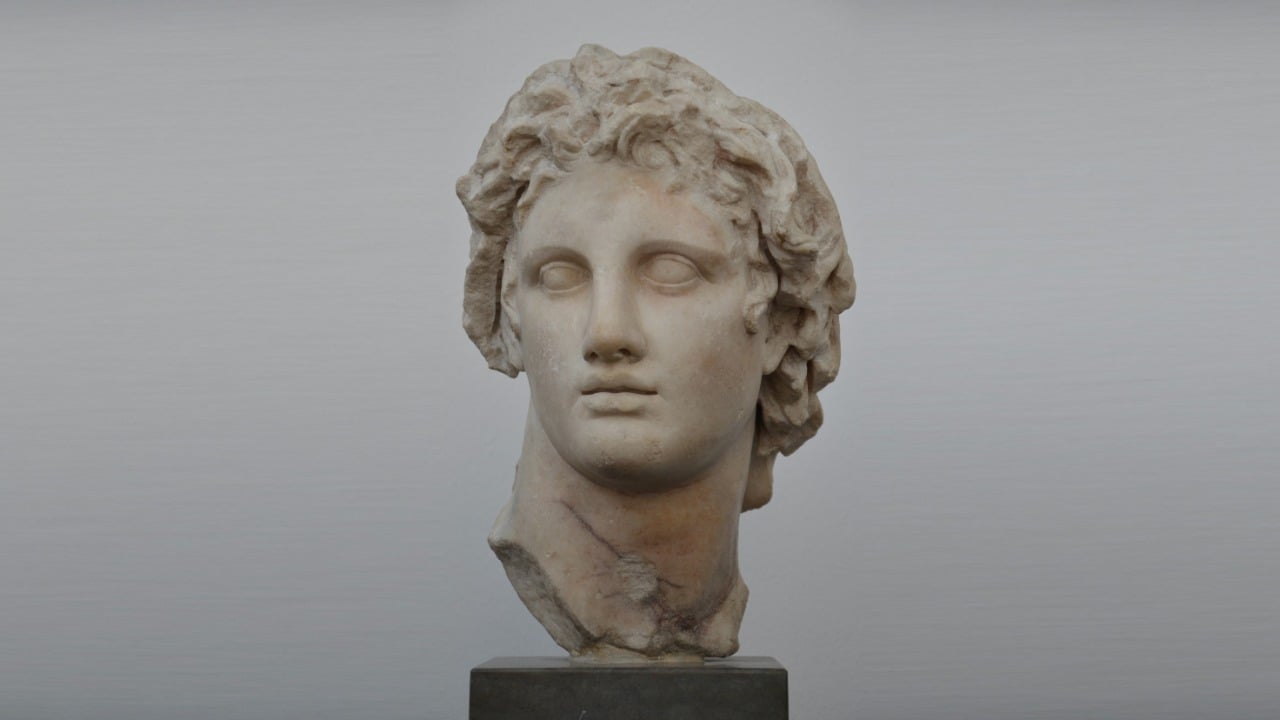
Alexander the Great conquered the Persian Empire and extended his rule across three continents before turning thirty. He combined strategy, diplomacy, and ambition, spreading Hellenistic culture widely. His campaigns reshaped politics, economics, and cultural exchange in the ancient world.
Alexander died in 323 BC in Babylon, possibly from fever, malaria, or poisoning. His empire fragmented after his death, but his legacy as a military genius and cultural unifier endured, influencing civilizations for centuries.
Pausanias
Pausanias, an Ancient Spartan regent, gained fame for commanding the great Greek forces of men at the Battle of Plataea in 479 BC. He coordinated a coalition of Greek city-states against the invading Persian army, demonstrating strategic foresight and leadership under immense pressure. His victory ended the Persian advance into Greece and secured Greek independence.
Following this triumph, Pausanias’ reputation suffered. He faced accusations of conspiring with the Persians, allegedly seeking personal power. Authorities placed him under house arrest, where he eventually died. Despite controversy, his leadership at Plataea remains a defining moment of Greek military history.

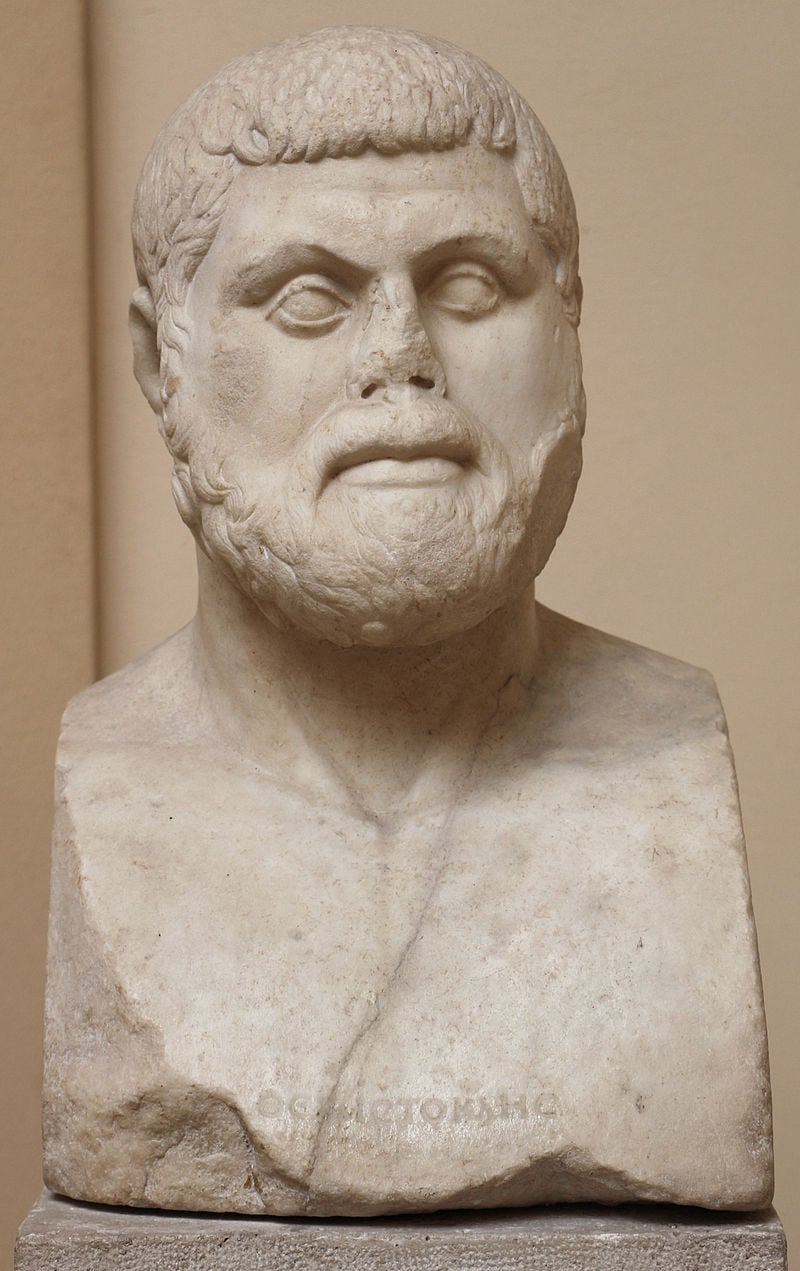
Themistocles
Themistocles, an Athenian politician and general, is best remembered for his naval strategy during the Persian Wars. He convinced Athens to build a strong fleet, which proved decisive at the Battle of Salamis in 480 BC. His foresight in maritime defense preserved the city and turned the tide against Persia.
Later, political rivals forced Themistocles into exile. He fled to the Persian Empire, where he became an advisor to King Artaxerxes and spent his final years safely but far from his homeland, leaving behind a legacy defined by ingenuity, strategic brilliance, and civic influence.
The great Ancient Greek and Athenian Miltiades
Miltiades, a celebrated Athenian general, orchestrated the Greek victory at the Battle of Marathon in 490 BC. He exploited Persian weaknesses with clever tactics, leading a smaller Greek force to defeat a much larger army. This triumph boosted Athens’ morale and established its military reputation.
Afterward, Miltiades launched a failed campaign against Paros. His political opponents accused him of wrongdoing, and he was imprisoned. He succumbed to injuries sustained in confinement, demonstrating the precarious nature of military and political life in Athens despite notable achievements.

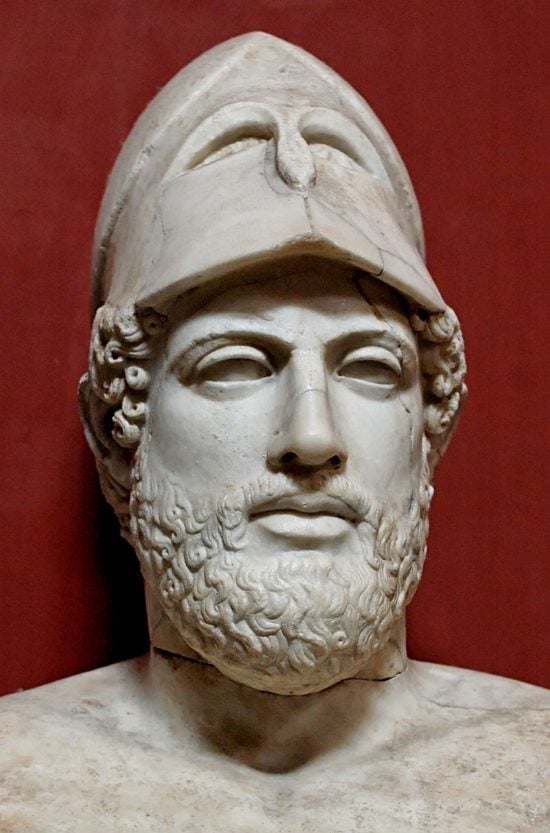
Pericles
Pericles guided Athens during its Golden Age from 461 to 429 BC. During this period, he strengthened democracy, promoted art and architecture, and oversaw the construction of the Parthenon. At the same time, he led Athens through the early years of the Peloponnesian War, balancing expansion with civic stability.
However, Pericles died during the devastating plague of 429 BC. Nevertheless, his influence shaped Athens culturally, politically, and militarily. As a result, he left a legacy of civic innovation, public works, and leadership that defined Athenian identity for generations.
Cimon: The son of Miltiades
Cimon was a prominent Athenian statesman and general in the 5th century BC, known for his role in consolidating Athenian power after the Persian Wars and his victory at the Battle of Eurymedon. In particular, he led successful campaigns against Persian forces in the Aegean, capturing islands and fortresses to secure Greek dominance.
Moreover, Cimon strengthened Athens’ influence within the Delian League, balancing military leadership with diplomatic skill. At the same time, he promoted civic projects and fostered alliances with other Greek city-states. However, despite his popularity, Cimon faced political opposition from democratic leaders like Ephialtes, which eventually led to his temporary ostracism. Ultimately, he died around 450 BC during a military expedition in Cyprus, having acquired a legacy as both a skilled general and a statesman who helped shape Athens’ rise in the classical era.

Leonidas, the great king of Sparta
Leonidas, king of Sparta, became legendary for his stand at Thermopylae in 480 BC. There, he led a small Spartan force and allies against a vastly larger Persian army, demonstrating courage and discipline. As a result, his defense delayed Persian advances and inspired Greek unity.
Ultimately, Leonidas died in battle, refusing to retreat. Thus, his sacrifice exemplifies Spartan ideals of bravery, honor, and loyalty. His legacy influenced military strategy and became a lasting symbol of heroism across all of Greece.

Philip II of Macedon
Philip II unified Macedonia and reformed its army, introducing the phalanx and professional soldiers. He expanded his kingdom into Greece and established a strong political and military structure, laying the foundation for Macedonian dominance and Hellenic unity under his command.
Philip II died in 336 BC, assassinated during a festival at Aegae. His achievements enabled his son Alexander the Great to launch unprecedented conquests against the Persian Empire and beyond, leaving behind a lasting imprint on Greek and world history.
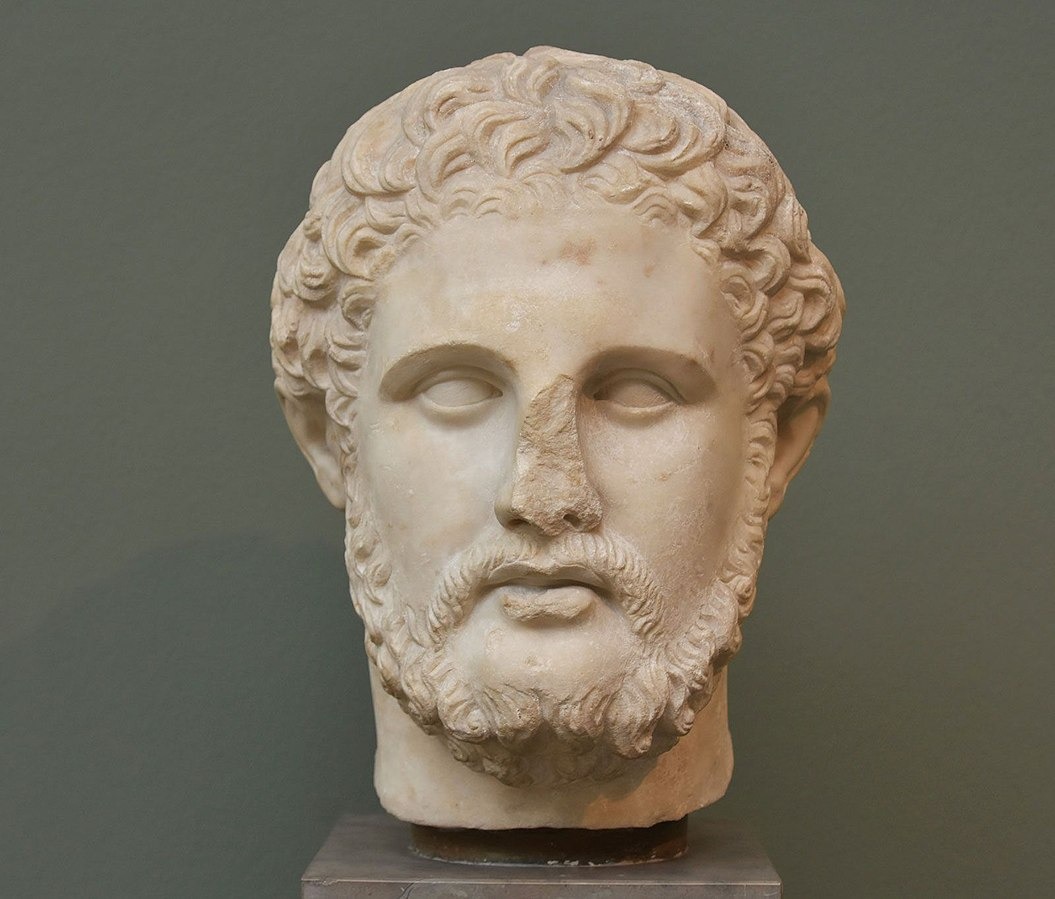
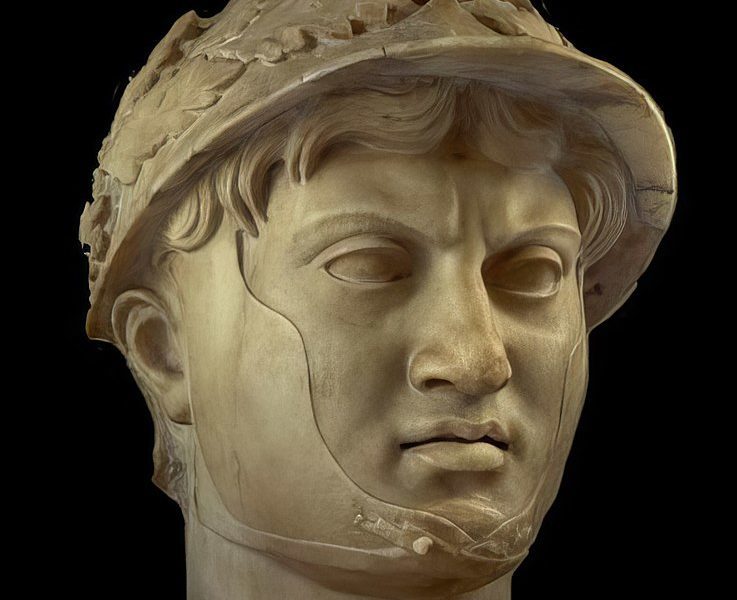
Pyrrhus
Pyrrhus, king of Epirus, became famous for campaigns against Rome and in Sicily during the 3rd century BC. He achieved victories through brilliant tactics but suffered heavy losses, giving rise to the term “Pyrrhic victory.” His courage and strategic insight earned admiration across Greece.
Pyrrhus died in 272 BC during street fighting in Argos. His life exemplifies both tactical brilliance and the high costs of relentless ambition. He remains a symbol of military daring and calculated risk.
See all the latest news from Greece and the world at Greekreporter.com. Contact our newsroom to report an update or send your story, photos and videos. Follow GR on Google News and subscribe here to our daily email!

