



More than two thousand years before Italians began leaving their bustling cities for beaches and vacation resorts every August, Roman Emperor Augustus was already encouraging his subjects to take a break during the hottest month of the year, not simply across the Italian peninsula but across the empire. That ancient tradition lives on in Ferragosto, Italy’s famous summer break, which has become part of Europe’s summer vacation culture.
August 15 remains a major public holiday across much of Europe, with strong Catholic and Orthodox traditions. In Italy, Ferragosto is marked by closed businesses, nationwide summer breaks, and packed seaside resorts. The tradition dates back to ancient Rome, while its name derives from the Latin Feriae Augusti, meaning the “holidays of Augustus,” a celebration traditionally associated with Rome’s first emperor.

How Augustus gave Romans an August break
According to the traditional account, Emperor Augustus established the Feriae Augusti in 18 BC, creating a period of rest and celebration during a month already filled with important Roman festivals. August was an important point in the agricultural calendar in antiquity. Much of the exhausting work connected with the harvest had been completed, while other agricultural tasks, including the grape harvest, still lay ahead.
The holidays therefore offered workers a period of respite between demanding stages of the agricultural year. Italy’s National Archaeological Museum of Florence describes the Feriae Augusti as a period of rest introduced by Augustus amid existing religious celebrations connected largely with agricultural work and harvests.
The celebrations were originally associated with August 1, rather than August 15. Treccani notes that the ancient festivities fell on the Kalends of August, the first day of the month. Other festivals followed throughout August, including celebrations connected with agriculture and Roman gods, creating what could effectively become an extended festive period.
How Ferragosto became a Christian holiday and evolved into Europe’s summer break
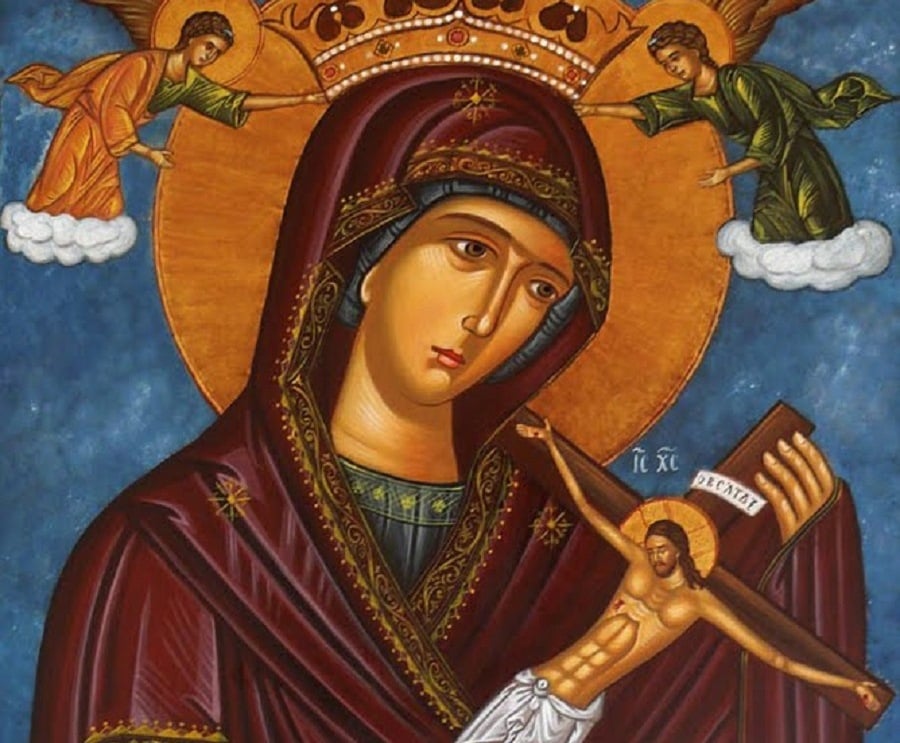
The date familiar to modern Italians emerged later with Christianity. Ferragosto eventually became associated with August 15 and the Feast of the Assumption of the Virgin Mary (what Orthodox Christians commemorate as the Dormition of the Virgin Mary), one of the major celebrations of the Catholic calendar.
Treccani records that the popular festival, originally observed on August 1, was subsequently transferred to August 15 to coincide with the Assumption. The result was an unusual survival and revival of an ancient custom. A holiday whose name came directly from a Roman emperor continued to exist in Christian Italy, even as its religious meaning changed substantially.
Modern Ferragosto should not be imagined as an unchanged Roman tradition. The familiar sight of Italian cities becoming unusually quiet in August, with families traveling to coastal resorts, mountains, or hometowns, developed much later as paid vacations and mass tourism made summer travel accessible to millions.
Yet the underlying concept remains the same. For ancient Romans, August offered a welcome respite after weeks of agricultural labor. For millions of Italians today, Ferragosto still represents the point at which normal life briefly stops annually.
See all the latest news from Greece and the world at Greekreporter.com. Contact our newsroom to report an update or send your story, photos and videos. Follow GR on Google News and subscribe here to our daily email!

