



Air pollution is driving up premature deaths in cities across Southern Europe, including Greece, according to new research published in the Journal of Economic Behavior & Organization.
The study, led by Elena Cottini of the Department of Economics and Finance at the Catholic University of the Sacred Heart in Milan, looked at fine particulate matter, known as PM2.5, and its effect on death rates in 75 cities between 2010 and 2018.
The research covered cities in Italy, Spain, Greece, Croatia, and Portugal. These countries face some of the worst air quality problems in Europe. Cottini and her co-authors focused on two groups: people under 65 who died from circulatory and respiratory diseases, and infants who died before their first birthday.
The findings show a clear pattern. A 1% rise in PM2.5 exposure leads to a 0.82% increase in the death rate among people under 65. The same rise in pollution pushes up infant deaths by 0.93%. Infants turned out to be even more sensitive to dirty air than younger adults.
Rainfall and wind reveal pollution’s role in rising deaths
To reach these numbers, researchers used a method that separates the real effect of pollution from other factors, such as income or lifestyle, that could also affect health. They relied on natural changes in rainfall and wind speed to isolate pollution’s direct role in causing deaths.
Heavy rain washes particles out of the air, while strong winds scatter them. Both patterns gave researchers a reliable way to measure pollution’s true impact, separate from other city conditions.
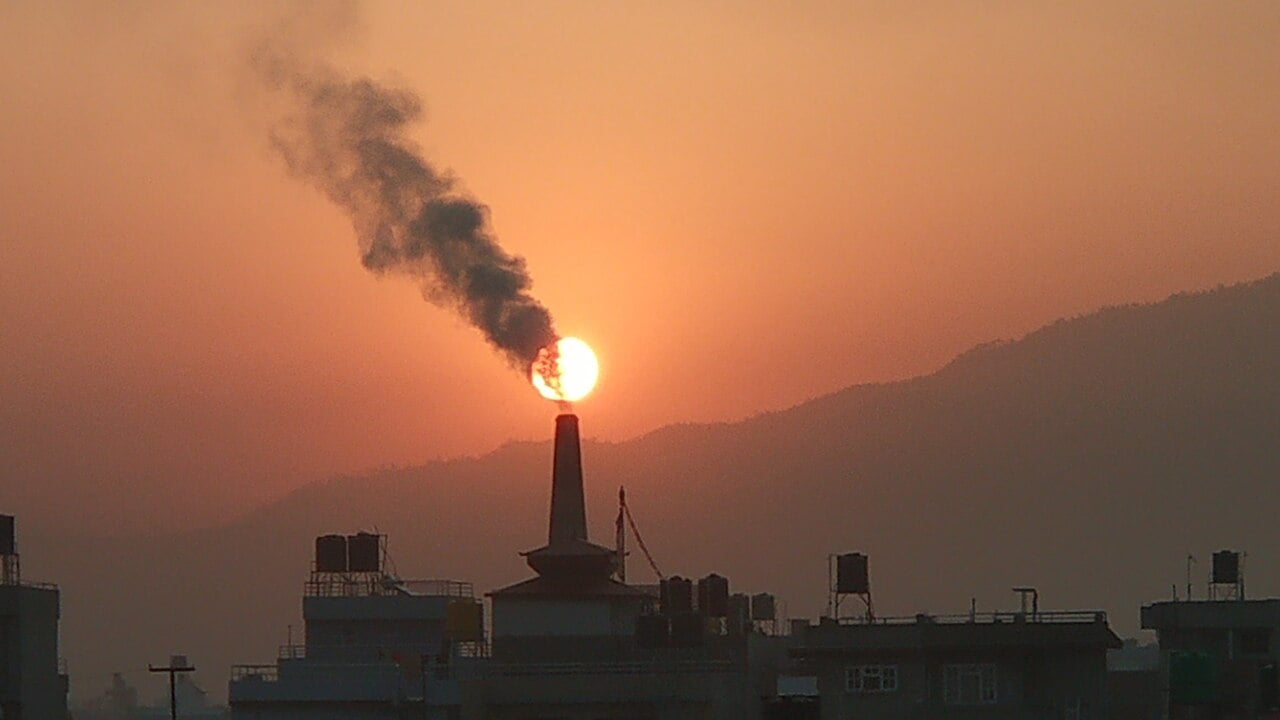
The study also found that pollution hits some groups harder than others. People living in urban centers face a greater risk than those in nearby suburban areas. That pattern held for both age groups.
A more surprising result involved income. Cities in wealthier regions showed stronger pollution effects on death rates than cities in poorer regions.
Researchers said this likely reflects how pollution spreads unevenly within cities, exposing certain neighborhoods to heavier concentrations regardless of overall regional wealth.
Air pollution emerges as consistent threat to premature deaths in Greece
The team also tested other pollutants, including nitrogen dioxide, and found similar harmful effects, though PM2.5 remained the strongest driver of premature deaths.
Researchers ran multiple checks to confirm their results held up under different conditions and measurement methods. Each test produced consistent findings, reinforcing the conclusion that pollution, not other city characteristics, was pushing up death rates.
The authors said the results point to a clear need for stronger policies to cut PM2.5 levels, particularly in urban areas where pollution remains highest.
Their work adds to growing evidence that fine particulate matter poses a serious and measurable threat to public health across European cities.
See all the latest news from Greece and the world at Greekreporter.com. Contact our newsroom to report an update or send your story, photos and videos. Follow GR on Google News and subscribe here to our daily email!

