



A new study of ancient pottery is showing how early farming communities in Greece and Anatolia stayed in touch nearly 8,000 years ago.
The research, led by Erkan Gürçal of the Department of Archaeology at Adıyaman University in Turkey, used social network analysis to trace patterns in pottery decoration across three regions: coastal Central-Western Anatolia and Greece’s Eastern Macedonia and the North Aegean islands.
The findings appear in the journal Digital Applications in Archaeology and Cultural Heritage. Gürçal’s team studied pottery from settlements dating between 6600 and 5500 B.C.
During that time, farming villages appeared for the first time across what is now western Turkey, northern Greece, and nearby islands. Pottery showed up in all three regions around the same time, roughly 400 years after it had already spread through other parts of Anatolia and Mesopotamia.
Three time periods reveal shifting pottery connections
Researchers found no evidence of trial and error in the earliest pottery. That suggests potters in these regions already had knowledge of the craft before they started making it locally, rather than inventing the technique on their own.
The study broke the timeline into three periods to track how connections shifted. From 6600 to 6200 B.C., decorated pottery styles looked remarkably similar across sites, pointing to strong contact between communities.
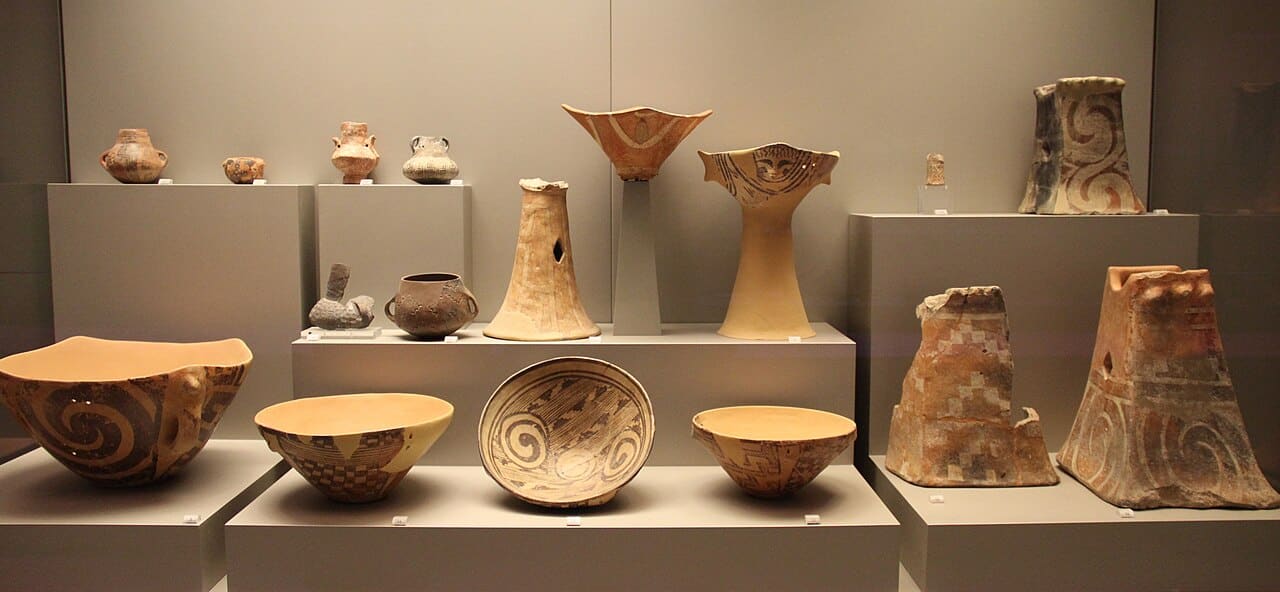
Between 6200 and 6000 B.C., that shared style continued. But after 6000 B.C., new settlements sprang up, and potters began experimenting with a wider range of decorations. Regional differences started to appear for the first time.
Researchers focused on sites including Ulucak and Çukuriçi in western Anatolia, Uğurlu on the island of Gökçeada, and Paliambela-Kolindros, Revenia-Korinos, and Mavropigi-Filotsairi in Macedonia, northern Greece.
Uğurlu stood out as the only excavated Neolithic site on the North Aegean islands, making it a key link between the mainland regions.
Ancient pottery reveals deeper ties between Greece and Anatolia
Archaeologists have long known that ancient pottery connected communities in Greece and Anatolia, but the new study adds fresh evidence using network analysis.
Researcher D. French raised the idea back in 1967 that northwestern Anatolia and the north Aegean may have acted as a bridge for ideas moving between the two areas.
A later study by Rodden pointed to shared artifacts found at the Macedonian site of Nea Nikomedeia and at Anatolian sites like Çatalhöyük and Hacılar. Those artifacts included earplugs, needles, seals, and figurines.
More recently, DNA studies have found genetic links between Neolithic farmers in western Anatolia and northern Greece, adding more support to the idea of shared ancestry and contact.
The study concludes that these regions formed a well-developed sphere of interaction throughout the three periods examined. But local styles that emerged over time, researchers said, show that communities did not simply copy one another. They still developed their own identity.
See all the latest news from Greece and the world at Greekreporter.com. Contact our newsroom to report an update or send your story, photos and videos. Follow GR on Google News and subscribe here to our daily email!

