



Ten European economies are forecast to grow more than twice as fast as the eurozone over the next five years, according to the International Monetary Fund.
The IMF’s April 2026 World Economic Outlook projects eurozone growth of just 1.2% a year on average from 2027 through 2031, held back by high public debt, an aging population, and weak productivity.
Over the same period, a group of smaller economies stretching from the Balkans to the Mediterranean is expected to grow between roughly 2.9% and 4% a year, based on IMF data.
Some of these European economies could grow at twice the pace of the eurozone or more broadly because they are starting from a lower base and are still catching up with wealthier European Union members, according to the IMF’s individual country reports.
Below are the 10 economies, ranked from tenth to first, based on IMF projections for average annual growth from 2027 through 2031.
10. Bosnia and Herzegovina
Bosnia and Herzegovina is expected to grow close to 2.9% a year on average from 2027 through 2031, the slowest pace among the 10 economies, but still well above the eurozone.

The IMF said that growth held up at 2.4% in 2025 even as political uncertainty weighed on spending early in the year. A mission report released in June 2026 mentioned that growth could slow further in 2026 because of higher energy costs tied to the war in the Middle East, before recovering toward 3% by 2027.
The IMF reported reforms under the European Union’s Growth Plan could bring in close to 1 billion euros in financing through 2027. It also said that political divisions and fiscal slippage ahead of the 2026 elections remain the biggest risks to the outlook.
9. Montenegro
Montenegro is projected to grow around 3% a year on average through 2031. The economy expanded by close to 9% a year between 2021 and 2023, helped by a rebound in tourism and an inflow of relatively wealthy migrants from Russia and Ukraine, the IMF mentioned in a November 2025 report.
Growth has since slowed to about 3.2%, a pace the IMF expects to continue over the medium term. The IMF said that the current account deficit could widen to around 18% of economic output in 2025, and it pointed to a 128% jump in real estate prices since 2020 as a risk that needs closer watching.
Montenegro is aiming to join the European Union, and eventually the euro, by 2028. The IMF said that the country needs to diversify beyond tourism and consumption to draw more foreign investment.
8. Cyprus
Cyprus is expected to grow about 3% a year on average from 2027 through 2031. The island recorded one of the highest growth rates in the euro area in 2025, driven by strong tourism, steady private consumption, and a growing information technology sector, according to the IMF’s June 2026 review.
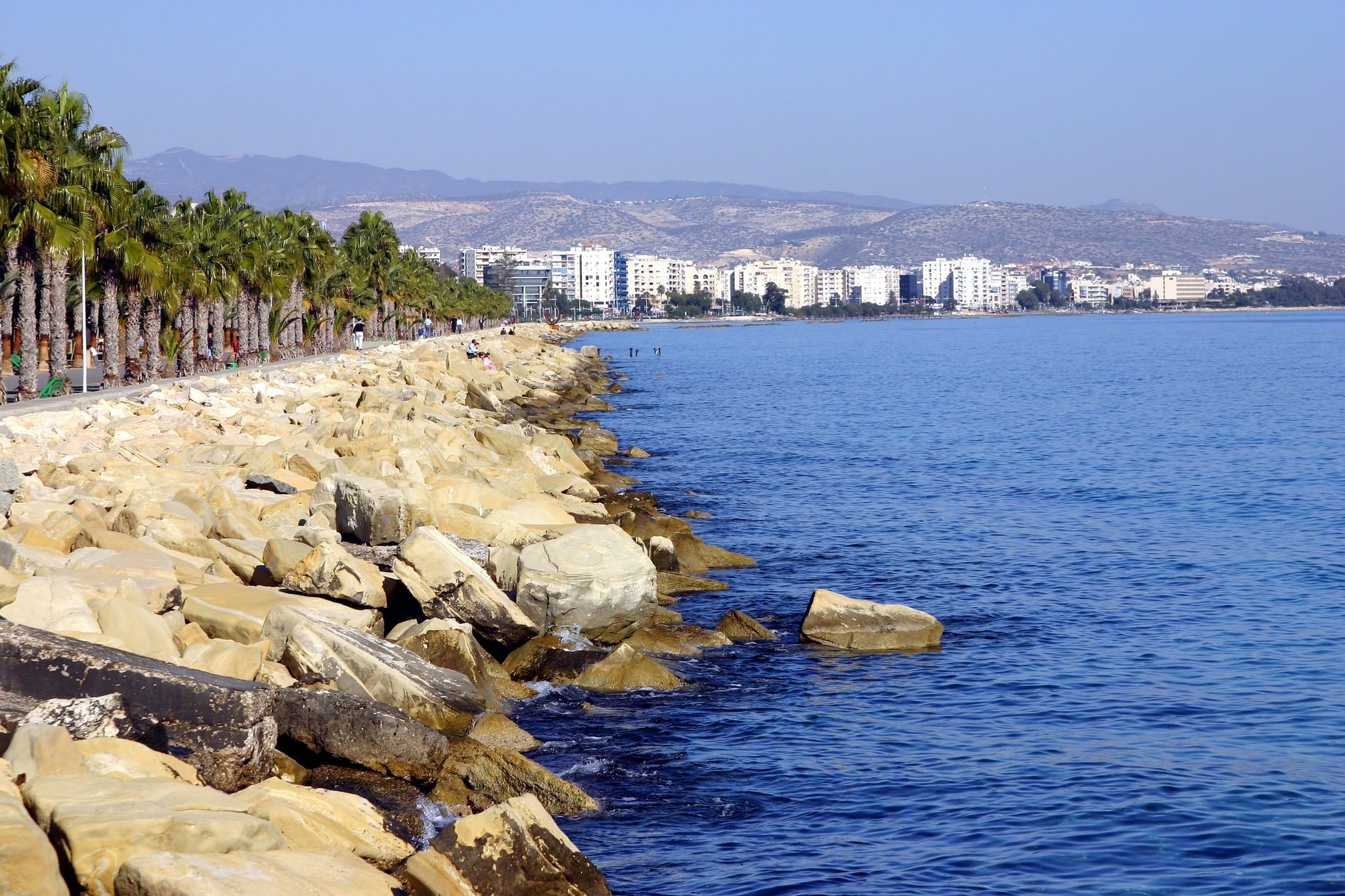
Growth is expected to slow to around 2.5% in 2026 as higher energy prices linked to the Middle East conflict weigh on incomes. Cyprus has also cut its public debt sharply, from more than 110% of economic output in 2014 to below 60% in 2025, one of the largest declines recorded anywhere in Europe.
A major tax overhaul took effect in January 2026. The IMF said that a prolonged regional conflict remains the main risk to tourism and energy costs going forward.
7. North Macedonia
North Macedonia’s economy is forecast to grow near 3% a year on average through 2031. Growth picked up to 3.5% in 2025, above what the IMF considers the country’s long-term potential, supported by construction on the Corridor 8/10d highway project and steady consumer spending.
A June 2026 IMF report projected growth would slow to about 3.1% in 2026 as higher global energy prices took hold, before settling back near 3% over the medium term. The IMF said that emigration remains the biggest long-term drag on growth, since it shrinks the working-age population.
It also said that wage growth has outpaced productivity gains, which could hurt competitiveness. The IMF welcomed progress under the European Union’s Reform and Growth Facility but called for faster action to reduce a budget deficit and public debt of about 60% of economic output.
6. Albania
Albania is projected to grow around 3.2% a year on average from 2027 through 2031. The IMF described Albania in December 2025 as one of the fastest-growing economies in Europe, with growth of 3.5% in 2025 and 3.6% expected in 2026, led by household spending and steady tourism demand.

The IMF said that the direct effect of U.S. tariffs on Albania has been small so far. Even so, income per person in Albania remains at about a third of the European Union average, and the country is aiming to join the EU by 2030.
The IMF said that a shrinking working-age population is the main long-term risk to growth, along with rising exposure to real estate lending that will need closer supervision in the coming years.
5. Moldova
Moldova is forecast to grow about 3.5% a year on average from 2027 through 2031, a pickup from a slower stretch in the near term. The IMF said that growth reached 2.7% in 2025 and is projected to dip to 2.3% in 2026, supported by a strong harvest, steady domestic demand, and significant financing from the European Union.
Moldova received EU candidate status in 2022 and opened membership talks in 2024, and remittances equal to roughly a tenth of economic output continue to support household spending. A February 2026 IMF report said that the war in neighboring Ukraine and any delay or misuse of EU Growth Plan funding are the biggest risks to the outlook.
Under a downside scenario tied to a prolonged war, the IMF said that growth could slow to close to 1%. Moldova’s budget deficit is expected to widen to 4.8% of economic output in 2026 to pay for higher public investment.
4. Serbia
Serbia is projected to grow close to 3.5% a year on average through 2031, with growth accelerating toward 4% by 2027 as public investment tied to Expo 2027 continues, the IMF said in its June 2026 report.

Belgrade is set to host the World Fair next year, and the IMF said that the related construction boom, along with expanding manufacturing exports and Chinese-backed investment in copper mining, is driving much of the recent growth. Serbia received its first-ever investment-grade credit rating in 2024.
The IMF said that sanctions on the state oil company NIS have added uncertainty around energy supply, and it pointed to political tensions ahead of elections planned for 2027 as an additional risk. The IMF expects the government to start reducing spending once the Expo-related investment cycle winds down.
3. Ukraine
Ukraine’s economy is expected to grow about 3.8% a year on average from 2027 through 2031, according to IMF projections, with growth peaking at 4.2% in 2028. That forecast assumes the war with Russia winds down, and reconstruction gets underway.
The World Bank has estimated Ukraine’s rebuilding needs at close to 600 billion dollars. In February 2026, the IMF approved a new four-year loan program worth 8.1 billion dollars to support Ukraine’s economy, part of a wider international support package worth more than 136 billion dollars through 2029.
Near-term growth remains far weaker, with the IMF projecting growth of only 1% to 1.6% in 2026 while fighting continues. The IMF called the outlook exceptionally uncertain given the war, and said that the program is also meant to support Ukraine’s efforts to fight corruption and move toward joining the European Union.
2. Kosovo
Kosovo is forecast to grow close to 4% a year on average through 2031, placing it just behind Malta among Europe’s fastest-growing economies. The IMF said that growth slowed to 3.6% in 2025, down from 4.6% the year before, after a year-long political deadlock weakened exports and private spending.
Growth is projected to ease further to 3.3% in 2026 before recovering toward its longer-term potential. Money sent home by Kosovo’s large diaspora in Germany and Switzerland, along with public investment and a young workforce, continues to support the economy, the IMF reported.
The IMF also said that faster action on the European Union’s New Growth Plan could give an additional boost to growth and jobs. Political uncertainty and the economic effects of the war in the Middle East remain the main risks identified.
1. Malta
Malta tops the list, with growth expected to average close to 4% a year from 2027 through 2031. The IMF said in a February 2026 report that Malta’s economy grew by nearly 7% a year on average over the past decade, driven by tourism, online gaming, and professional services, along with a large inflow of foreign workers.

Growth slowed to 3.9% in 2025 and is expected to settle near what the IMF considers the country’s potential rate of about 4%. The IMF said that the model is now straining infrastructure and public services, and unemployment is close to record lows.
It said that future growth will depend on a shift toward higher productivity rather than a growing workforce, a plan the government has laid out in a long-term strategy called Vision 2050. Public debt stood at about 47% of economic output, and the IMF said that continued fiscal consolidation is needed to guard against future shocks.
See all the latest news from Greece and the world at Greekreporter.com. Contact our newsroom to report an update or send your story, photos and videos. Follow GR on Google News and subscribe here to our daily email!

