



Scientists have used ancient tree rings to pinpoint when builders raised the Agios Vasileios (Άγιος Βασίλειος) palace, a major Late Bronze Age site in southern Greece. The new study offers the first tree-ring-based timeline for the site, adding new evidence to years of research based mostly on pottery and human remains.
The Agios Vasileios palace sits near Sparta, in the region of Laconia. Archaeologists have known about the site since the late 1960s, but it did not draw wide attention until 2008.
That year, workers accidentally found a Linear B tablet during terracing work nearby. Systematic excavations ran from 2010 to 2021 and confirmed the site as the long-sought palatial center of Late Bronze Age Laconia.
The study appears in the journal Dendrochronologia. A. Christopoulou, of the Biodiversity Conservation Lab in the Department of Environment at the University of the Aegean in Mytilene, led the research.
Agios Vasileios palace timeline emerges from tree rings
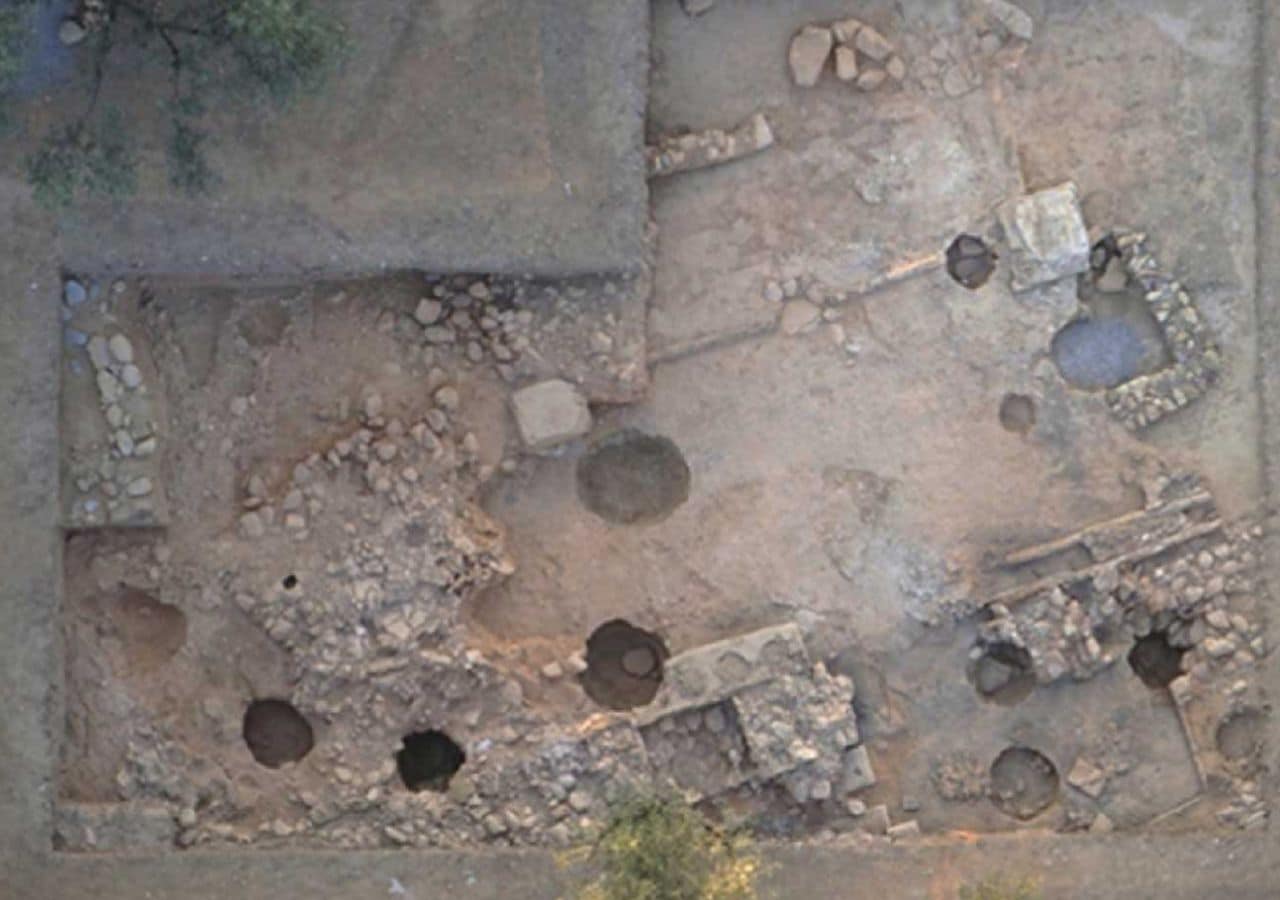
Researchers examined charcoal and wood remains pulled from the site’s West and South Stoa, along with Buildings D and E. They selected 103 samples for close study. Most came from the palace itself, while seven came from pits dug centuries later during a medieval reoccupation of the site.
The team built two separate tree-ring records, one from juniper wood and one from black pine. They compared both against reference chronologies from Anatolia, in modern-day Turkey, developed decades ago by researchers working at the ancient site of Gordion.
The two Agios Vasileios records pointed to close dates. The juniper sequence ended around 1468 BC, and the black pine sequence ended around 1463 BC.
Separate radiocarbon tests on oak timber from Building D placed that wood between 1380 and 1248 BC. That range shows the oak was used later in the palace’s construction history than the conifer wood.
Mount Taygetos (Ταΰγετος) was a key timber source
Researchers also identified at least seven different tree species among the building timbers, pointing to the varied use of local wood resources. Conifers, including black pine and Aleppo pine, made up most of the material.
Christopoulou said the growth pattern in the black pine wood suggests builders hauled it down from higher ground on nearby Mount Taygetos (Ταΰγετος), rather than gathering timber growing closer to the palace itself.
Christopoulou cautioned that the findings should be read carefully. The Anatolian reference records used for comparison have themselves been revised recently, as dating methods have improved.
Christopoulou added that future digs at the site could turn up new wood samples, which would help confirm and sharpen the timeline the team has proposed for the palace.
See all the latest news from Greece and the world at Greekreporter.com. Contact our newsroom to report an update or send your story, photos and videos. Follow GR on Google News and subscribe here to our daily email!

