



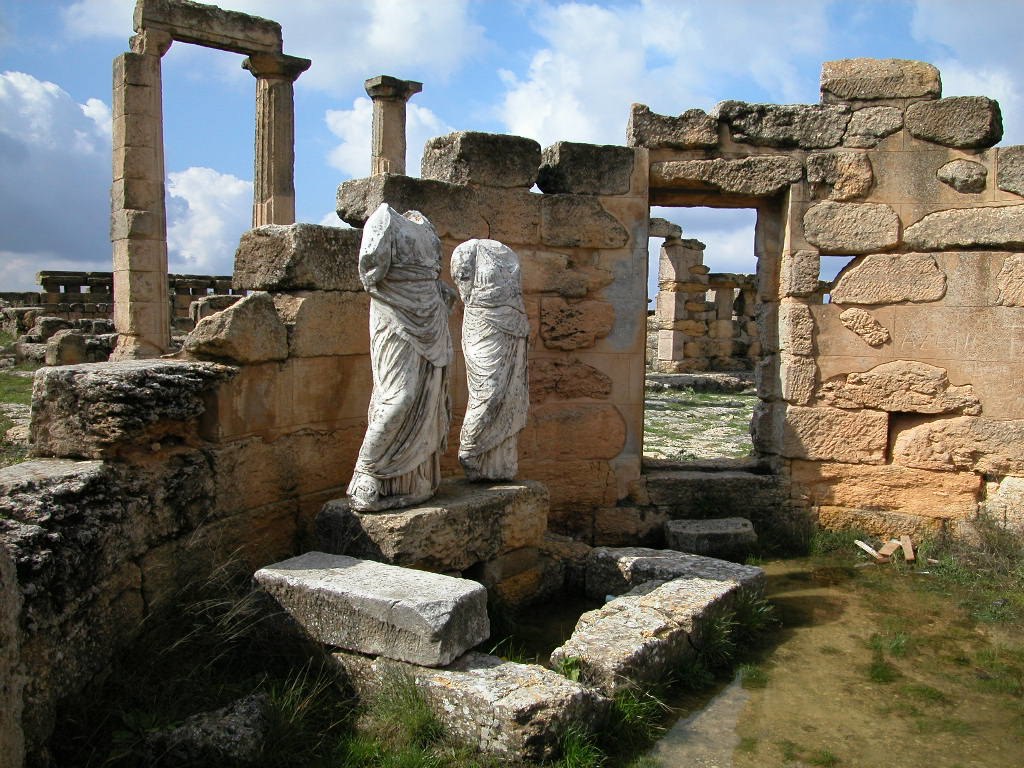
Archaeologists in Libya are racing to protect the ancient Greek ruins of Cyrene and Apollonia, two cities damaged by conflict, looting, and a destructive 2023 storm. The sites, in eastern Libya, are considered among the most significant Greek ruins outside Greece itself.
Cyrene was founded around 631 B.C. by settlers from the Greek island of Thera, now called Santorini, who also built four other colonies, including Apollonia.
At its peak, Cyrene had about 100,000 residents and became a center of learning, with theaters and a renowned school of philosophy. Its Temple of Zeus was nearly as large as the Parthenon in Athens, said tour guide Hamdi Al-Kailani, who called it breathtaking.
The damage began after Libya’s 2011 uprising against longtime leader Moammar Gadhafi, when armed groups, including the Islamic State, looted historical sites across the region.
Smail Dakhil, who manages the Museum of Cyrene, said that staff hid small statues, gold coins, and records in their homes. Larger pieces, including a rare female sphinx, were guarded around the clock by volunteers, and no thefts were recorded.
Storms, erosion, and looting continue to threaten the sites
In 2023, Storm Daniel caused severe flooding in nearby Derna, killing thousands and further damaging the ruins. Anis Hamid Younes, who leads restoration work at Cyrene, said that his team has spent months clearing debris, saving artifacts, and rebuilding a damaged sanctuary and part of an ancient wall.
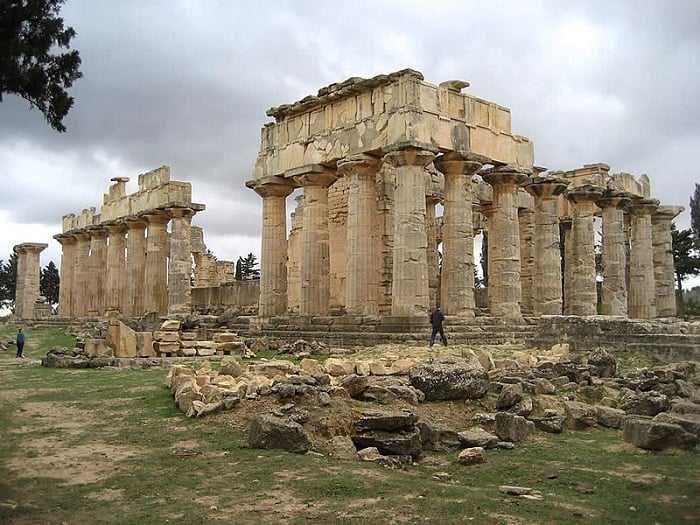
Outdated equipment and limited funding have slowed the work, he said, though he hopes the site reopens to visitors by September. Workers have also found hidden engravings and burial offerings while clearing rubble.
Apollonia faces a different threat. About a third of the port city has been lost to the sea, and antiquities official Talal Al-Hasey said that the risk of losing the rest rose from 50% before the storm to 80% afterward, with some structures now exposed to erosion.
Officials said that looting has also damaged land outside protected boundaries, where treasure hunters have bulldozed sites and built homes, making the damage hard to fully track.
Libya pushes UNESCO for help to save its ancient Greek ruins
Senior antiquities official Ahmad Essa Abdulkariem said that his department has repeatedly asked UNESCO for help since 2016, when the sites were listed as endangered, but got no response.
Charaf Ahmimed, UNESCO’s new director for the Maghreb region, said that he was unaware of those requests but plans to visit the sites this summer.
Abdulkariem said that he hopes Libya’s divided leadership will prioritize the ancient Greek ruins scattered across the country, noting that oil reserves will eventually run out while these ruins will endure.
He said that a Louvre-style museum in eastern Libya could help recover artifacts held abroad, including about 250 pieces in Paris and 200 at London’s British Museum.
See all the latest news from Greece and the world at Greekreporter.com. Contact our newsroom to report an update or send your story, photos and videos. Follow GR on Google News and subscribe here to our daily email!

