



Silphium is a word not many of us have heard before, and there is good reason for this. This was not just another herb used in ancient medicine. Instead, the silphium plant was the kind of thing that was talked about in hushed, almost reverent tones among Ancient Greeks.
In ancient times, it carried a reputation that felt equal parts practical and mythical. It was the sort of plant that seemed to do a bit of everything and do it well—hence its unique popularity and eventual extinction.
Silphium, the plant the Ancient Greeks secretly loved
Silphium grew in one very specific place: a narrow coastal strip in Cyrenaica in what is now Libya. It wasn’t available on mainland Greece and therefore wasn’t always at hand. People tried cultivating it, but it simply wouldn’t survive. Whatever existed in the wild was all there would ever be.
Ancient sources such as Hippocrates and, later, Pliny the Elder wrote about its medicinal uses, and they didn’t hold back. It was praised as a cure-all of sorts. To them, it was useful for a range of ailments, but one particular use stands out, even now: its role in fertility control. Women are believed to have used silphium resin to prevent pregnancy for quite some time.
The question is whether it was truly effective, and this is where things get confusing. The evidence we have on such use of silphium is fragmentary, filtered through time and interpretation of the Ancient Greeks themselves. Still, experts have argued that silphium may have worked well enough to be considered a reliable contraceptive in its day. Why else would it gain such popularity?
If that is even partly accurate, it changes how we think about the ancient world. Reproductive control wasn’t just a modern concern of an immoral and highly addicted society. Even people in Ancient Greece were clearly thinking about it, experimenting with it, and, in some cases, acting on it.
So what happened to silphium?
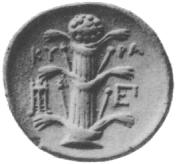
Silphium became truly valuable among the Ancient Greeks. The city of Cyrene built much of its wealth around it, even stamping the plant’s image onto its coins. It became a kind of regional signature, instantly recognizable and deeply connected to the city’s identity.
From there, it spread across Mediterranean trade networks. Merchants shipped it far and wide, where it was snapped up as both a culinary delicacy and a medicinal remedy, and demand increased consistently. Nonetheless, the problem remained unresolved, as it couldn’t be grown elsewhere.
Every harvest came from wild plants, and as demand grew, so did the pressure on those natural populations. Harvesters took more, more often, with little chance for the plant to recover. Add in grazing animals and environmental shifts on the African coast of the Mediterranean and the situation quickly became unsustainable.
By the time Nero rose to power in Roman times, silphium was already on the brink of extinction. Pliny the Elder famously recorded that the last known stalk was presented to Nero himself, a final, almost symbolic gesture marking the end of something once abundant and widely used.
What makes silphium so compelling is how familiar the pattern feels. A rare natural resource becomes highly desirable, demand spikes, exploitation follows, and before long, it becomes extinct. At the same time, silphium reminds us that ancient societies weren’t naive when it came to medicine or reproduction. They worked with what they had, observed effects, and shared knowledge. All of this was sometimes done in ways that feel surprisingly familiar.
Some scholars believe the plant’s heart-shaped seed may have inspired the symbol we now associate with love. Whether that is true or not, we don’t know. What we do know is that it became a symbol of how, at times, humans consume what they love right out of existence.
See all the latest news from Greece and the world at Greekreporter.com. Contact our newsroom to report an update or send your story, photos and videos. Follow GR on Google News and subscribe here to our daily email!

