



A new study traces how Armenian and Greek Christians survived genocide in the Ottoman Empire by hiding their faith, becoming what historians call crypto-Christians.
Published in the journal Armenological Issues, the research shows how thousands of families converted to Islam to escape death between 1912 and 1922, then secretly held onto pieces of their old identity for generations afterward.
The study comes from Tessa Hofmann, an independent scholar of Armenian and genocide studies affiliated with Yerevan State University.
She examined five regions: Sasun, Pontos, Hamshen, Cappadocia, and Dersim. Estimates of how many crypto-Christians remain in Turkey today vary widely. Slain journalist Hrant Dink once estimated that one million Turkish citizens have at least one Armenian grandparent.
Greek historian Konstantinos Fotiadis put the number of people with Greek or Christian roots as high as two million, while Austrian scholar Heinz Gstrein placed the figure closer to 100,000.
How crypto-christians survived genocide across different regions
Hofmann found sharp differences between regions. Greek Christians in Pontos kept their language even after converting to Islam, with some villages still speaking the Pontic dialect today.
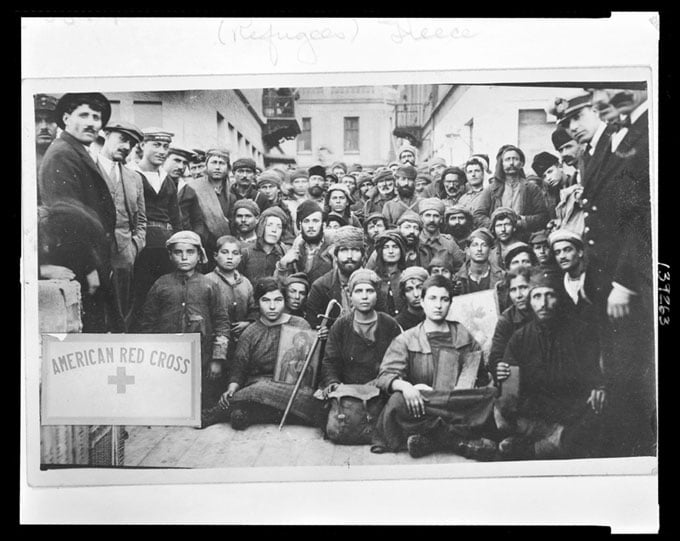
In Cappadocia, one group called the Karamanlides lost their Greek language but kept their faith and alphabet, while another group, the Galatades, lost both language and open faith but preserved customs in secret.
In Hamshen, families often split along gender lines, with mothers quietly keeping Christian practices at home while men adopted Islam publicly.
That hidden Hamshen Christian presence had largely disappeared by the late 1800s, though communities with Armenian roots still exist abroad in Russia’s Krasnodar region and Abkhazia.
Dersim’s double genocide and forced serfdom
Dersim received the closest attention in the study. Armenians there survived genocide twice, once in 1915 and 1916, then again in 1938 under the Turkish Republic.
A separate roundup and deportation of Kurds from Dersim and other regions also took place in 1916, aimed at breaking up tribal structures and forcing assimilation, according to historian Hilmar Kaiser’s research cited by Hofmann.
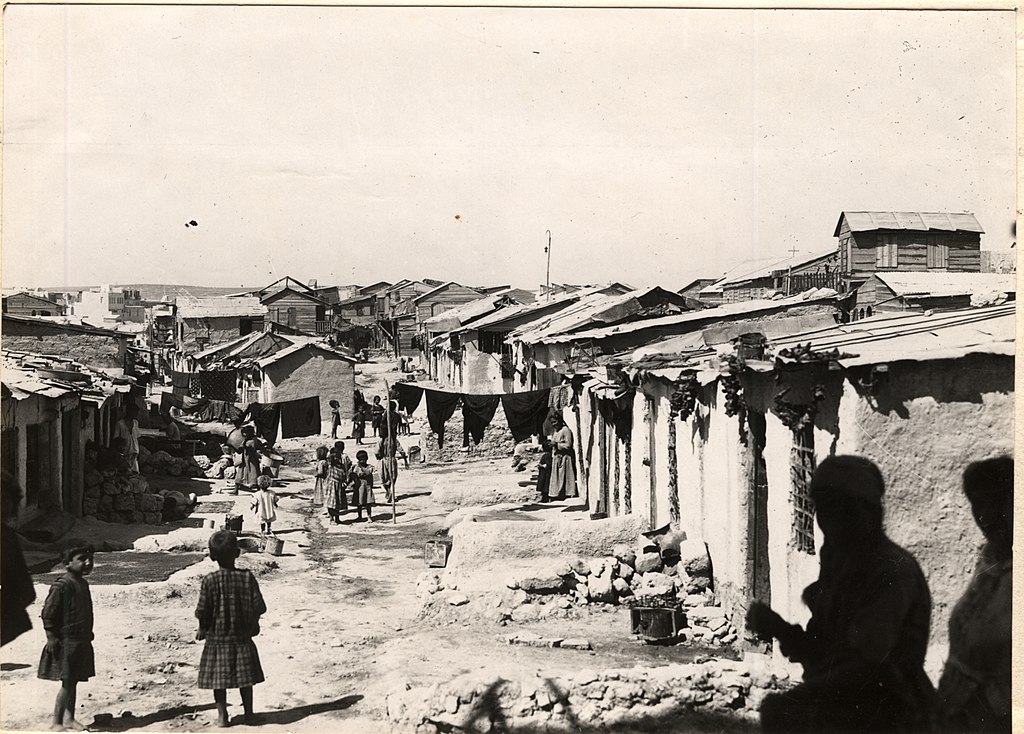
Local Kurdish landlords sometimes sheltered Armenian survivors, but protection came at a price. Survivors often became serfs known as marabas, working for landlords who arranged their marriages and controlled their property.
Interviewee Aida Güneş told researcher Kazım Gündoğan that her grandfather was forced into a marriage and made to work like a slave. Another interviewee, Musa Teyhani, said landlords sometimes took the wives of their laborers by force.
Decades of silence give way to open identity
Survivors and their children stayed silent for decades, often labeled with slurs such as “gâvur” or “filla.” Only in the 2010s did descendants begin organizing openly, founding Armenian heritage groups in Dersim, Mus, and Kayseri.
Figures like Mihran Pirgiç Gültekin and author Ömer Şükrü Asan helped lead that revival, alongside Fethiye Çetin, whose memoir about her grandmother’s hidden Armenian past became a turning point for public discussion.
Hofmann concludes that this slow erasure of language, religion, and culture fits squarely within Raphael Lemkin’s original definition of genocide, one that extends well beyond physical violence alone.
See all the latest news from Greece and the world at Greekreporter.com. Contact our newsroom to report an update or send your story, photos and videos. Follow GR on Google News and subscribe here to our daily email!

