



A new study has found that hunter-gatherers in northern Spain breastfed their children for up to four years, revealing how prehistoric communities in the Cantabrian region lived and survived some 7,000 years ago.
The study, published in Archaeological and Anthropological Sciences, analyzed ancient teeth from Los Canes Cave in Asturias to reconstruct the diets of these early humans at different stages of life.
Lead author Antonio Higuero-Pliego of the International Institute of Prehistoric Research of Cantabria at the University of Cantabria said the prolonged nursing period likely helped young children survive. Breast milk provided nutrition and immune protection while young children were still vulnerable to disease.
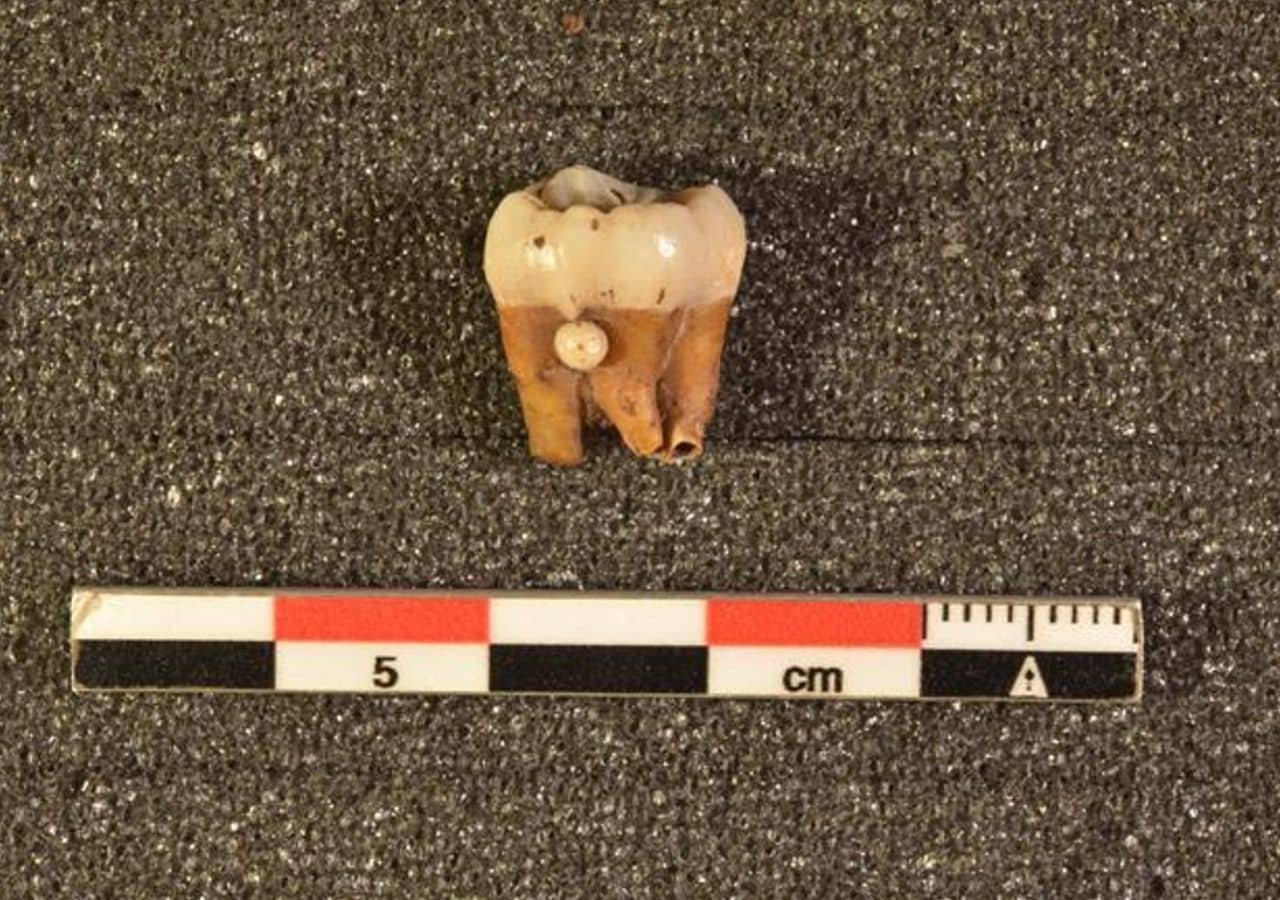
Researchers examined seven teeth from Mesolithic individuals buried at Los Canes Cave, a burial site in eastern Asturias dating to the sixth millennium BC. They applied sequential dentine analysis, a method that traces diet year by year through childhood using isotope ratios measured in thin sections of a tooth.
Why hunter-gatherers in Cantabria breastfed children for years
The results confirmed a terrestrial diet for all individuals, with nutrition coming from land animals and plant resources. Carbon and nitrogen isotope values supported this finding across all analyzed teeth.
One individual stood apart. A sharp increase in carbon isotope levels around age eight pointed to a brief period of consuming low-trophic marine resources, most likely shellfish. The change lasted only a short time before the diet returned to entirely land-based foods.
The analysis also uncovered stress signals in at least two individuals, appearing around age 11 in both cases. Researchers linked these patterns to the physiological demands of puberty. Both individuals survived these episodes.
Strontium isotope analysis of tooth enamel added further evidence. Values for all individuals fell within the expected range for the area surrounding Los Canes Cave.
This suggests that the children of these hunter-gatherers were breastfed and raised close to where they were eventually buried, pointing to limited long-distance movement.
Tooth chemistry reveals an inland and coastal territorial divide
The territorial pattern also showed up in diet. Inland communities like those at Los Canes relied entirely on land-based resources.
Coastal communities, by contrast, ate a diet that included substantial amounts of marine food, reinforcing the view that the two groups occupied and exploited separate environments.
Higuero-Pliego noted that combining dentine sequences with strontium data gives a much richer picture of prehistoric life than bone collagen analysis alone, which reflects only the final decade or more of a person’s diet.
See all the latest news from Greece and the world at Greekreporter.com. Contact our newsroom to report an update or send your story, photos and videos. Follow GR on Google News and subscribe here to our daily email!

