



Archaeologists have completed the latest excavation campaign at the Sanctuary of ancient Greek god Apollo at Frangissa in the village of Pera Oreinis, uncovering major new evidence about the site’s ancient religious history, Cyprus’ Department of Antiquities said.
The excavation is being carried out by researchers from the Universities of Frankfurt and Rostock. The project is led by Dr. Matthias Recke of the University of Frankfurt, while Dr. Philipp Kobusch of the University of Rostock serves as field director.
Officials described the fifth modern excavation season at the sanctuary as one of the most important since research at the site resumed.
Lost Sanctuary was rediscovered through modern research
The rural sanctuary was first excavated in 1885 by archaeologist Max Ohnefalsch-Richter. However, the findings were only briefly documented and never fully published. Over time, the exact location of the sanctuary was lost.
Researchers later relocated the site through modern field investigations. Excavation teams reopened parts of the earlier dig and documented the remains using current archaeological standards while expanding research into unexplored sections of the sanctuary.
Excavators uncover statue bases in their original positions
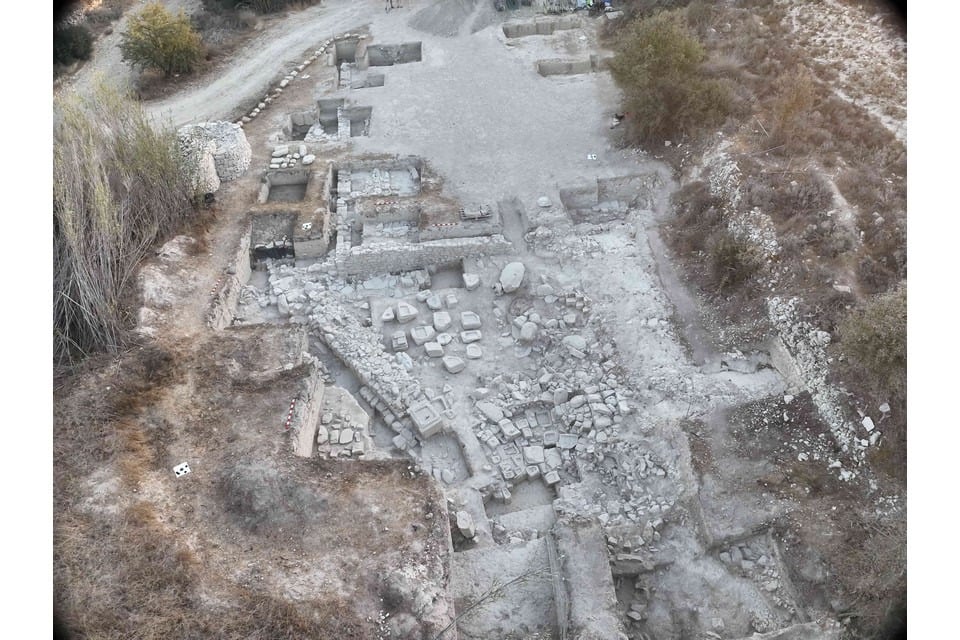
During the latest excavation season, archaeologists uncovered more than 20 statue bases still standing in their original positions. Some of the bases were stacked on top of one another while still keeping the figures visible, offering new insight into how votive offerings gradually accumulated at the sanctuary over time.
Several bases still preserved the feet of the statues that once stood on them. Researchers found examples made from both limestone and terracotta.
Archaeologists said the discovery provides the first evidence in Cyprus that terracotta votive figures were mounted on specially made limestone bases. Until now, researchers believed such figures were usually placed directly on the ground or inside rock-cut spaces.
Evidence points to a major reorganization of the sanctuary

Excavators also found evidence that an earlier arrangement of statue bases had been intentionally covered with a leveling layer during antiquity, before a new group of bases was installed above it.
Researchers recovered more than 100 fragments of those later bases from the backfill left behind during the 19th-century excavation.
The findings suggest the sanctuary underwent a major reorganization near the end of the Archaic Period. Archaeologists said future excavation campaigns will examine whether the changes followed destruction at the site or were caused by a lack of space for additional offerings.
Finds reveal new details about ancient Cyprus
The latest discoveries also confirmed the sanctuary’s Archaic phase through clear archaeological evidence for the first time. Researchers identified undisturbed layers containing Archaic pottery along with statue fragments from the same period.
The excavation team said the discoveries could help researchers better understand how sanctuaries in ancient Cyprus developed from the Archaic to the Hellenistic periods. The finds may also offer new insight into the religious and social practices linked to votive offerings in the ancient world.
See all the latest news from Greece and the world at Greekreporter.com. Contact our newsroom to report an update or send your story, photos and videos. Follow GR on Google News and subscribe here to our daily email!

