



Researchers at the University of Cambridge have developed a process that converts plastic trash into clean hydrogen fuel using sunlight, tackling two major waste problems at once. The method works inside a single reactor, converting certain plastics into industrial chemicals while generating hydrogen. It also uses acid recovered from old car batteries, bringing in a third waste stream.
Plastic waste totaled more than 440 million U.S. tons worldwide in 2025. Less than 10 percent of that was processed through recycling. Many plastics cannot simply be melted down. They require chemical reactions to break apart into their building blocks, known as monomers.
The study focused on condensation polymers, including PET from food and drink packaging, polyurethane, and nylon. These form when monomer units bond and release water. Adding water back breaks those bonds and recovers the monomers.
Breaking down PET with battery acid and heat
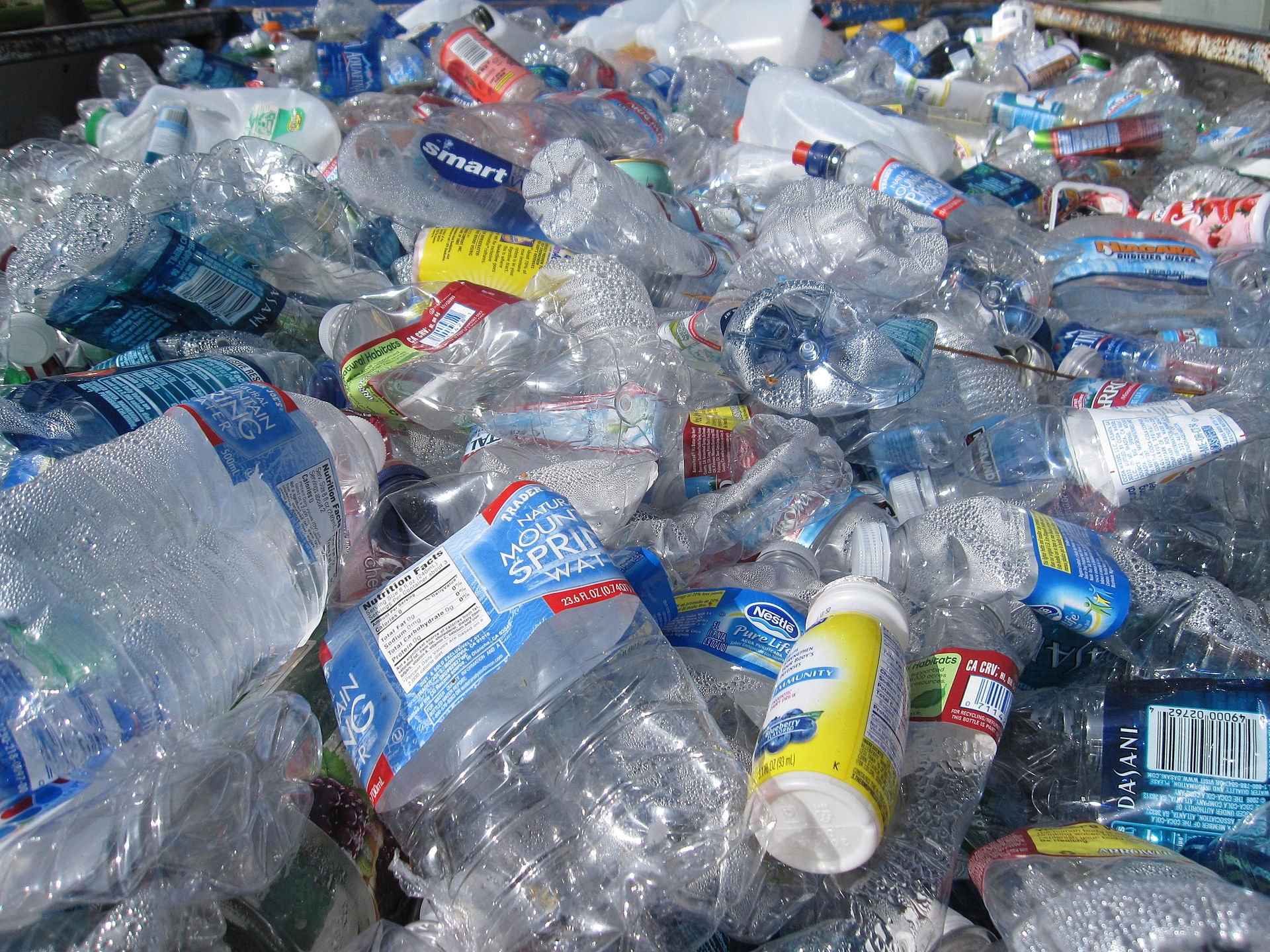
The researchers published their findings on April 6 in the journal Joule. The team reduced PET bottles to a fine powder, combined it with sulfuric acid, and raised the temperature to 140 degrees Celsius (284 degrees Fahrenheit). The process produced ethylene glycol and terephthalic acid, both useful industrial chemicals.
Instead of using fresh acid, the team sourced it from old car batteries. Kay Kwarteng, a Cambridge researcher, said battery recycling normally reclaims only the lead and discards the acid. He called repurposing that acid a strong argument for sustainability.
The terephthalic acid settles naturally from the mixture, leaving behind an acidic liquid loaded with ethylene glycol. Producing hydrogen from that compound was a challenge, since the reaction normally needs alkaline conditions. The team built a molybdenum-based catalyst stable enough to work in acid.
When light hits the catalyst, it draws electrons from the ethylene glycol. Those electrons convert protons in the solution into hydrogen. Acetic acid is released as a byproduct.
Turning plastic trash into hydrogen fuel for industry
The same setup can perform hydrogenation, an industrial process that has long used hydrogen fuel from fossil energy. A follow-up study published May 4 in Angewandte Chemie International Edition showed the system can convert nitrogen-based compounds into pharmaceutical precursors.
Kwarteng noted that using plastic trash as the hydrogen source cuts the carbon footprint of that process by half. Erwin Reisner, professor of energy and sustainability at Cambridge, said the system can also hydrogenate organic molecules directly.
The team plans to move the process into a flow reactor, which runs continuously instead of in batches. Amit Kumar, a catalysis researcher at the University of St Andrews, praised the recycled-materials approach but said the light-driven step must be scaled up before the process can reach commercial use.
See all the latest news from Greece and the world at Greekreporter.com. Contact our newsroom to report an update or send your story, photos and videos. Follow GR on Google News and subscribe here to our daily email!

