



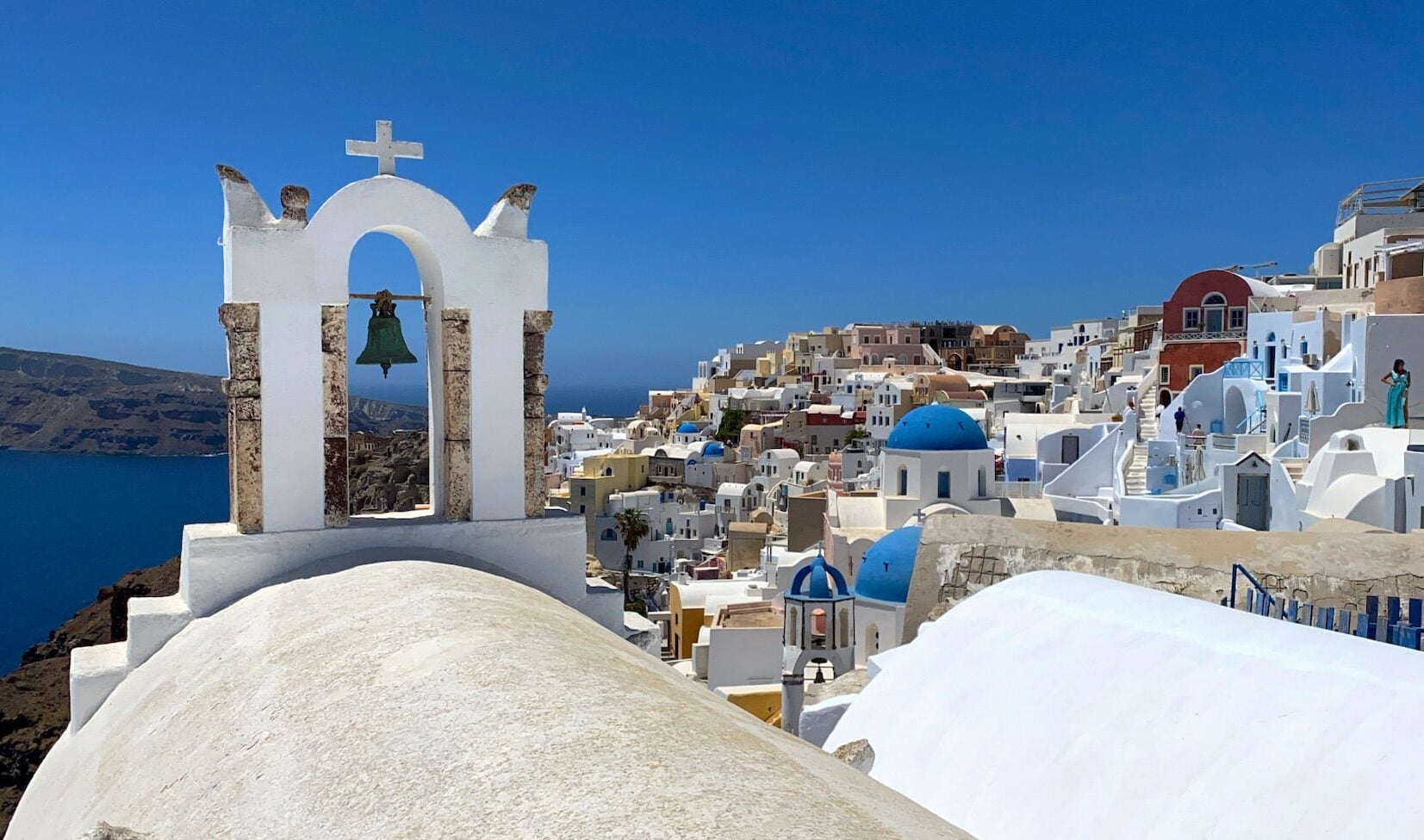
In Greek mountain villages and on islands, some Easter folk traditions that have been practiced for centuries survive, and Christian rites blend with pre-Christian symbols.
While many of the more mystical Greek Easter folk traditions are slowly being lost to time, a few resilient pockets of the country refuse to let them go. These customs, a combination of faith and folklore, offer a rare glimpse into a world where every red egg and every bonfire carries the weight of protection, harvest, and communal survival.
Folk traditions of Holy Thursday
Known in folk tradition as “Red Thursday” (Kokkinopefti), this is the morning dedicated to dyeing eggs. Traditionally, the first egg, often selected from a black hen, is placed in the family iconostasis (a small shrine). The previous year’s egg is then cast into a river. In some regions, the egg was kept for seven years until the yolk turned amber-like. It was then used as an amulet (kratitira) to protect pregnant women. This “first egg” was also used to sign children with the cross when they were ill.
Strict rules governed the process. The number of eggs was predetermined, a new vessel was used, and the dyed water was never discarded outside the house. “Evangelized eggs,” those left in the church until the Resurrection service, were believed to hold special power. Their shells were buried at the roots of trees to ensure a bountiful harvest, while the first egg was often buried in the first furrow of the field during sowing to ensure the wheat grew “clean as an egg.”
While modern dyes and vinegar are used today, traditional methods included onion skins, madder root (rizari), and logwood (bakami). Eggs were intricately decorated using wax, dough, or leaves. According to a legend from Kastoria: “When Christ rose, a peasant woman refused to believe it, saying: ‘When eggs turn red, then Christ shall rise.’ Immediately, the eggs turned red, and the tradition was born.”
On Holy Thursday evening, the faithful attend the service of the Twelve Gospels. Women keep a vigil for the Crucified Christ, decorating the Epitaphios (the symbolic bier of Christ) with spring flowers while chanting the Virgin’s Lament.
Holy Friday

A day of deep mourning, Holy Friday sees a halt to all housework, as no cooking or sweeping is permitted. In the evening, the procession of the Epitaphios takes place. On Crete and Lesvos, large bonfires are lit along the route to burn effigies of Judas, a tradition also followed in other regions of Greece, as well. Villagers would historically compete to build the largest fire, sometimes “borrowing” wood from neighbors’ yards to “burn the traitor’s beard.”
In Eastern Macedonia, a custom reminiscent of the ancient “Gardens of Adonis” survives, with women placing the icon of the Crucifixion on their doorsteps alongside a plate of sprouted lentils or barley. This greenery symbolizes spring and rebirth, echoing the ancient rites for Adonis, whose fleeting beauty was celebrated with floral funeral biers.
Holy Saturday
The morning “First Resurrection” service is lively. The priest scatters laurel leaves, the symbol of victory, while the congregation stamps their feet on the pews, rings bells, and fires shots to “scare away death.”
At midnight, during the main Resurrection service, the cry of “Christos Anesti!” (Christ is Risen!) is met with fireworks and the traditional cracking of red eggs. On Corfu and Zante, the famous “Botides” custom takes place, during which residents hurl clay pots from windows to “shame the betrayers” and celebrate the joy of the Resurrection. On Corfu, women also bite a piece of iron (like a key) during the bells, reciting, “May my head be as strong as iron!” This is also the day for the final preparations: kneading Easter breads (kouloures), slaughtering the Paschal lamb (labriatis), and exchanging gifts with godchildren and fiancées.
Easter Sunday
Easter, also known as Paschalia or Lambri (“The Bright Day”), is the pinnacle of the year. Historically, families would extinguish their home fires and relight them with the “New Light” from the church. The midnight meal is light, traditionally magiritsa soup, to transition slowly from the fast. The main event is the Sunday feast, featuring a spit-roasted lamb or lamb stuffed with rice, pine nuts, and raisins.
In the afternoon, the Service of Love (Agapi) takes place. Traditionally, this included the blessing of fresh cheeses and ritual dances led by the priest. In Thrace, swings were built for everyone’s use, a symbolic act to “shake off” illness, while in Epirus, people danced around the graves of loved ones, leaving red eggs behind to include the departed in the celebration.
Symbols in Greek Easter folk tradition
Light has always been a protective and purifying force in Greek culture. Throughout Holy Week, “purifying” bonfires are lit. On Holy Thursday, children often jump over these flames, burning their Martis bracelets (the red-and-white thread bracelets worn in March) so they won’t be scorched by the spring sun.
The Resurrection candle (lampada), gifted by godparents to godchildren or by a groom to his bride, was traditionally white and decorated with flowers. Today, although commercially varied, it remains a symbol of the “source of light.”
When the priest calls, “Deute Labete Phos” (Come, receive the light), the faithful rush to light their candles from his. This flame is carried home with care, as a cross is smoked onto the doorway with the flame for protection, and the home’s oil lamp (kantili) is lit with it, remaining lit for at least three days. This light is considered miraculous because it originates from the Holy Sepulchre in Jerusalem.
Related: The Survival Guide to the Greek Easter Feast
See all the latest news from Greece and the world at Greekreporter.com. Contact our newsroom to report an update or send your story, photos and videos. Follow GR on Google News and subscribe here to our daily email!

