



Epilepsy, often referred to as the “Sacred Disease” by ancient Greek physicians in antiquity, was a condition of great medical and philosophical significance. Ancient Greek physicians like Hippocrates and those writing under his name, sought to explain its origins and treatment, challenging the prevalent supernatural interpretations.
Later Greek physicians, including Galen, built upon these early foundations, contributing to a more physiological understanding of the disorder.
Mythological and superstitious views on epilepsy and first attempts at a rational explanation
The belief that epilepsy was caused by divine intervention was deeply rooted in Greek mythology. One notable association was with Hercules. The hero was said to have suffered from epileptic fits as a manifestation of his divine trials. Some myths suggested that epilepsy resulted from demonic possession or the wrath of gods. This reinforced societal stigma around those affected by the condition. Priests and soothsayers often claimed that epilepsy was a punishment from the gods or an indication of prophetic abilities.
Hippocrates, the father of medicine, provided an early naturalistic explanation of epilepsy in his treatise On the Sacred Disease. In this work, he argued that epilepsy was not of divine origin but rather a disease of the brain.
“It is thus with regard to the disease called sacred: it appears to me to be no wise more divine nor more sacred than other diseases, but has a natural cause from the originates like other affections.”
The brain is the cause of the disease
Hippocrates emphasized that the brain was the seat of epilepsy, rejecting notions of divine punishment or possession. He described various factors influencing epilepsy, including heredity, environmental factors and dietary influences. His work represented a shift toward rational medical explanations, advocating for empirical observation over mythological interpretation.
Hippocrates also suggested that phlegm played a key role in epilepsy. That’s because it was thought to block the flow of air and cause convulsions:
“The brain is the seat of this disease, as it is of other very great diseases. The cause of this affection, and that which occasions the convulsions, is the same as in other diseases. It arises from the brain when it is too full of moisture, which descends into the veins and causes obstructions.”
He strongly criticized those who attributed epilepsy to divine intervention and superstition:
“Men regard its nature and cause as divine from ignorance and wonder, because it is not like other diseases. But if they would consider it in the same way as other affections, they would find that it is no more divine nor more sacred than the rest.”
Hippocrates’ work laid the foundation for the idea that epilepsy was a disorder of the brain rather than an affliction caused by the gods, shifting its treatment toward medical intervention rather than religious rituals.
Other texts attributed to Hippocrates or written by later authors under his name expanded on these ideas. Some sections of the Corpus Hippocraticum further explored epilepsy’s links to phlegm and bodily humors, a dominant medical theory in Greek medicine. Treatments often included dietary modifications, bloodletting, and herbal remedies to balance bodily fluids.
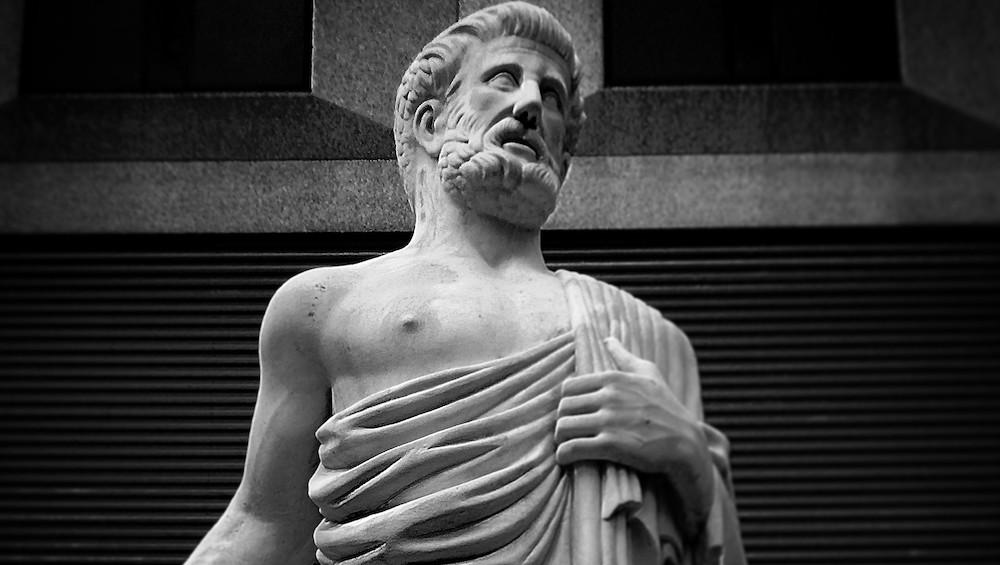
Galen’s insights into epilepsy
The ancient Greek physician Galen agreed with Hippocrates that epilepsy was a disorder of the brain. He emphasized the role of the ventricles and the flow of pneuma (vital spirit). He classified epilepsy into different types based on the affected brain region and proposed surgical interventions in severe cases.
Galen further expanded on the Hippocratic idea of humors, particularly linking epilepsy to an excess of phlegm or black bile:
“Epilepsy arises from a damp and cold humor, blocking the passage of the pneuma. The moisture fills the brain and prevents the normal circulation of air, causing the sufferer to fall into convulsions.”
Additionally, in his work De Utilitate Respirationis, Galen referenced earlier discussions on epilepsy. These included the transition from sleep disturbances to full epileptic seizures:
“Some kinds of epilepsy arise from Ephialtes, occurring in sleep: however, it comes from a mixture as if it were epilepsy itself. Thus, it does not happen in waking but in sleeping; for, as has been said, sleep and epilepsy occur in the same place and from a similar cause: whence Aristotle says that epilepsy is a kind of sleep. But Ephialtes, when it persists for a long time, eventually turns into epilepsy.”
This passage suggests an understanding of nocturnal seizures and their potential to develop into chronic epilepsy.
Galen also believed that epilepsy could be classified based on its cause, whether arising from the brain itself (primary epilepsy) or from disturbances in other parts of the body affecting the brain (secondary epilepsy). His anatomical dissections and studies on the nervous system reinforced the idea that the brain controlled movement and sensation, which supported the notion that epilepsy originated there.
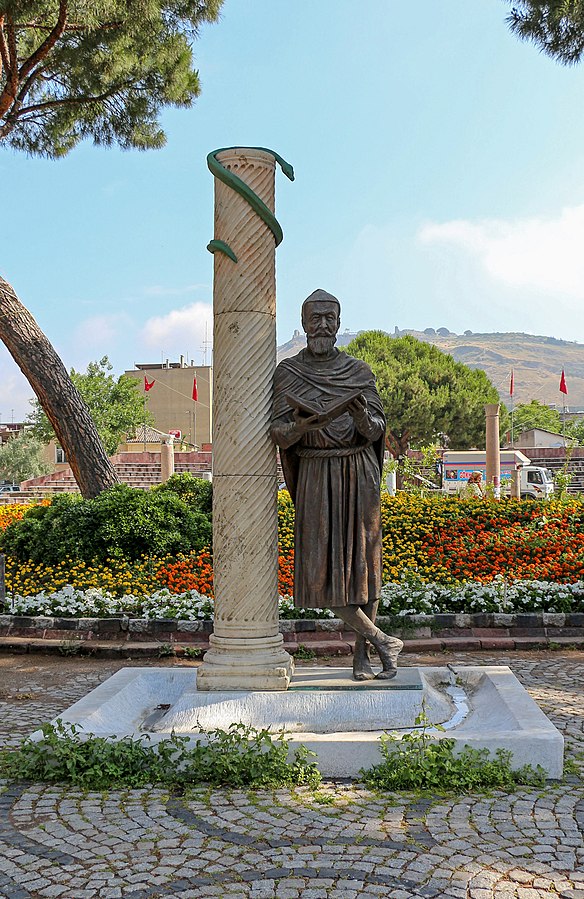
The ancient Greek philosopher Aristotle, though not a physician, also discussed epilepsy. He viewed it as a disorder of the soul and brain, influenced by bodily imbalances. Aretaeus of Cappadocia, a physician of the 2nd century CE, described epilepsy with great clinical detail, noting symptoms such as aura, convulsions, and postictal states. His descriptions closely resemble modern clinical understandings of epilepsy.
Additionally, the great Greek physicians Rufus of Ephesus and Soranus of Ephesus contributed further observations. Soranus noted the potential for epilepsy to develop in childhood and later resolve or persist into adulthood.
See all the latest news from Greece and the world at Greekreporter.com. Contact our newsroom to report an update or send your story, photos and videos. Follow GR on Google News and subscribe here to our daily email!

