



The Ancient Greeks, often seen as deeply superstitious, lived in a religious world shaped by a rich array of oracles, seers, and signs that they used to manage uncertainty about the future. For them, the world was never silent: the gods were always speaking and active in their everyday lives for those who knew how to listen. Every odd bird flight, strange dream, or timely phrase overheard in the street could be a hint about what tomorrow might bring.
This constant search for meaning led to the formation of a culture in which certain stretches of time—days, seasons, even entire years—were felt to be more promising than others, precisely because the gods seemed more willing to reveal themselves during those moments.

Oracles and sacred timing at the heart of Ancient Greece’s superstitions
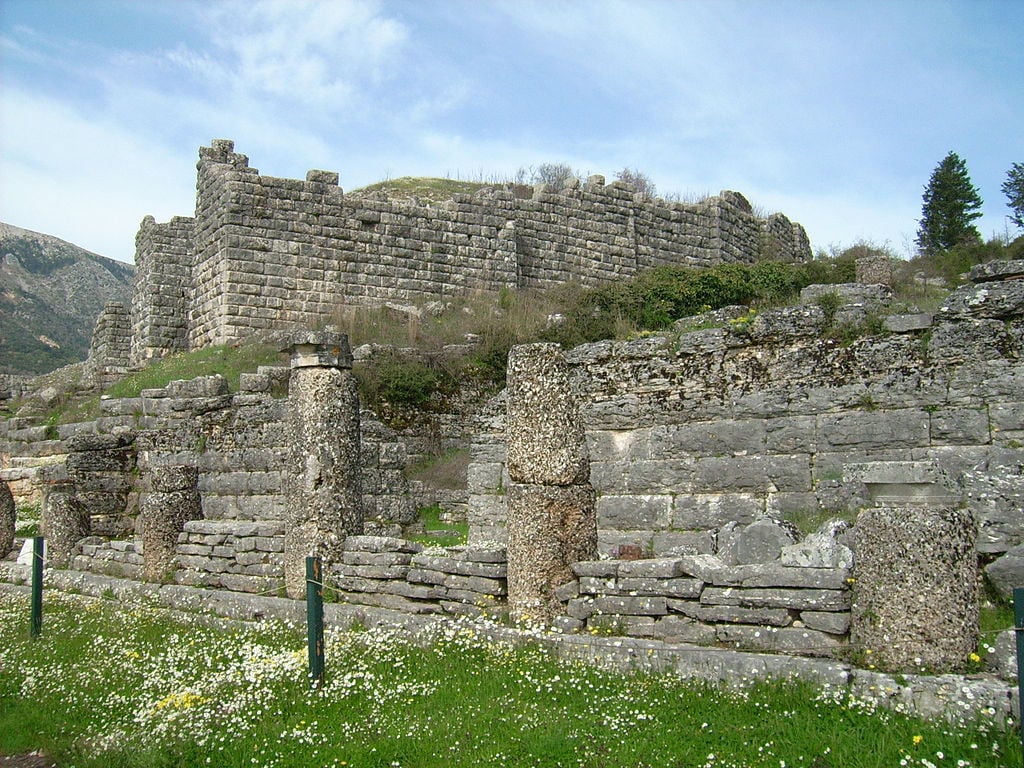
The most prestigious way to ask the gods a question for the Ancient Greeks was to visit one of the great oracular sanctuaries, especially Delphi, sacred to Apollo, or Dodona, devoted to Zeus. There, the answer came through a human intermediary known as the Pythia. At Delphi, the Pythia would regularly enter a trance to voice Apollo’s words. Similarly, the priests at Dodona listened to the rustle of sacred oak leaves and produced responses that might have been cryptic but were treated as unshakably true.
People in the Ancient Greek world traveled long distances, paid fees, sacrificed animals such as goats, and, crucially, waited for the right day because not every date on the calendar was considered spiritually “open” for questioning the divine. Choosing the right day could matter as much as what you asked, reinforcing the belief that time itself unfolded in more and less receptive phases and played a crucial role in the power dynamics of this world.
Reading the sky, earth, and body
Beyond these famous shrines, the search for divine messages permeated ordinary life through the superstitious beliefs spread by seers, or mantis, who claimed they could read the gods’ intentions in the natural world.
Bird omens were especially venerable: a skilled augur watched not only which birds appeared but also how high they flew, the direction they took, and how they moved. Each subtle variation was loaded with meaning, so much so that generals like Alexander the Great reportedly delayed attacks when the signs in the sky appeared unfavorable.
Smoke from sacrifices could be interpreted in the same way: a thin, straight column rising heavenward signaled divine approval, while erratic or downward-blown smoke warned of trouble. Some seers went further still, like the legendary Melampus, who claimed that a person’s birthmarks mapped out their romantic fortunes in adulthood and even revealed the manner of their death.
In this worldview, the unfolding year became a kind of script written in birds, blood, and smoke, legible only to those with the proper training. The future was laid out in plain sight but only for those willing to read and decipher it.
The Ancient Greeks and their future
The goddess Tyche personified sheer luck—the sudden windfall or inexplicable disaster that no one could completely plan around.
Yet the Ancient Greeks did not think of divination as a simple shrug before an unchangeable fate. To them, trying to understand the future was a way to grasp the gods’ intentions well enough to act in harmony with them, to catch the current rather than struggle against it. By waiting for favorable signs, people turned certain days into opportunities, delaying wars, rescheduling elections, and placing marriages or inheritances on hold until the omens suggested that the hour was ripe.
Over time, places like Dodona built archives of consultations and outcomes, creating a kind of long-term memory of “good” and “bad” moments that strengthened the belief that some seasons and years were inherently more auspicious than others.
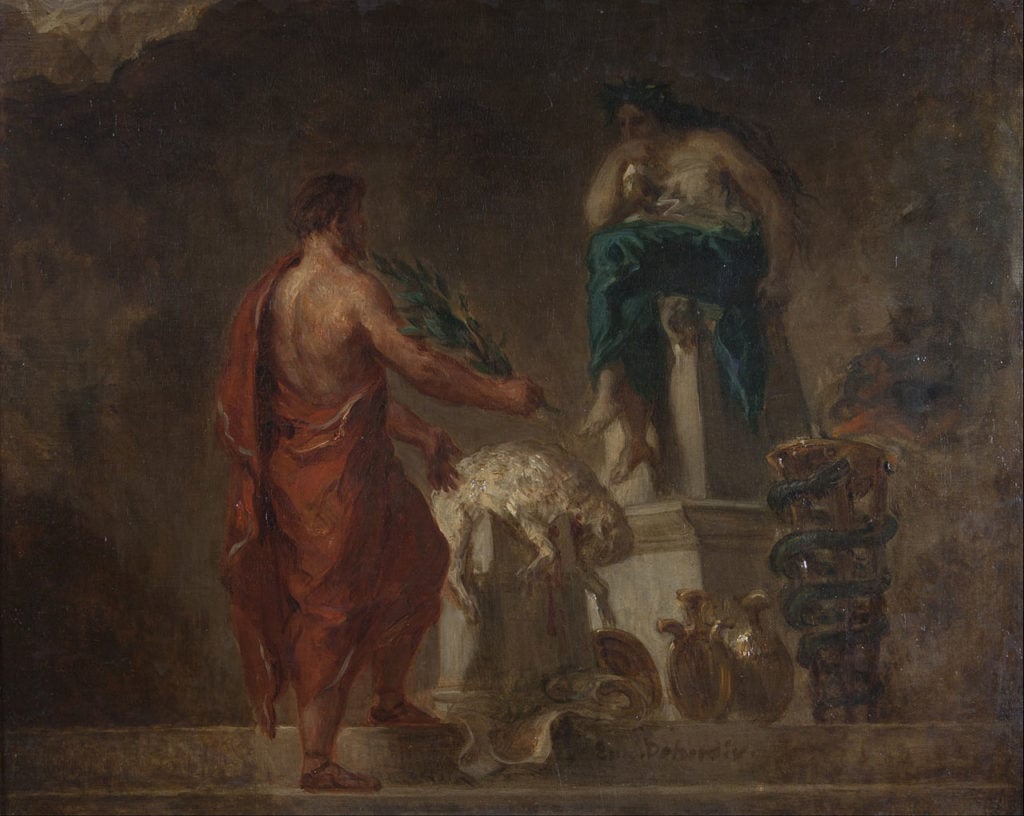
The Greek fascination with superstitions and reading the future has not truly vanished, as traces of this supernatural mindset endure today. Modern horoscopes, “lucky” wedding dates, and anxiously chosen start-days for major projects all echo that older conviction that timing has a hidden nature and that some moments are better than others for stepping into the unknown.
Whether the message came from birds flying inconspicuously overhead, smoke rising from a fire, or a priestess in a trance, the Ancient Greeks built an elaborate, ongoing conversation with their gods. At its core lay a recognizably human impulse: the longing to find patterns in chaos and to glimpse, even briefly, what might be waiting just beyond the horizon.
See all the latest news from Greece and the world at Greekreporter.com. Contact our newsroom to report an update or send your story, photos and videos. Follow GR on Google News and subscribe here to our daily email!

