



Diagoras of Milos stands as the first known atheist in Western history. His name still provokes intrigue because he openly challenged the gods at a time when religion shaped every aspect of Ancient Greek life.
He lived during the 5th century BC, when Athens reached its cultural peak prior to facing political turmoil. In this tense atmosphere, his bold rejection of divine authority marked him as a radical voice in a society that prized piety. Born on the island of Milos, Diagoras grew up in a world rich with poetry, ritual, and communal tradition. He first gained fame as a poet and earned respect for his skill and intelligence.
His talent for sharp observation shaped his worldview, and he examined religious customs with a critical eye. His poetry and writings, now lost, carried a clear message: people invent gods, create rituals, and assign divine motives to their own actions. In Athens, this message struck at the heart of public life.
Diagoras’ attacks on religious ritual
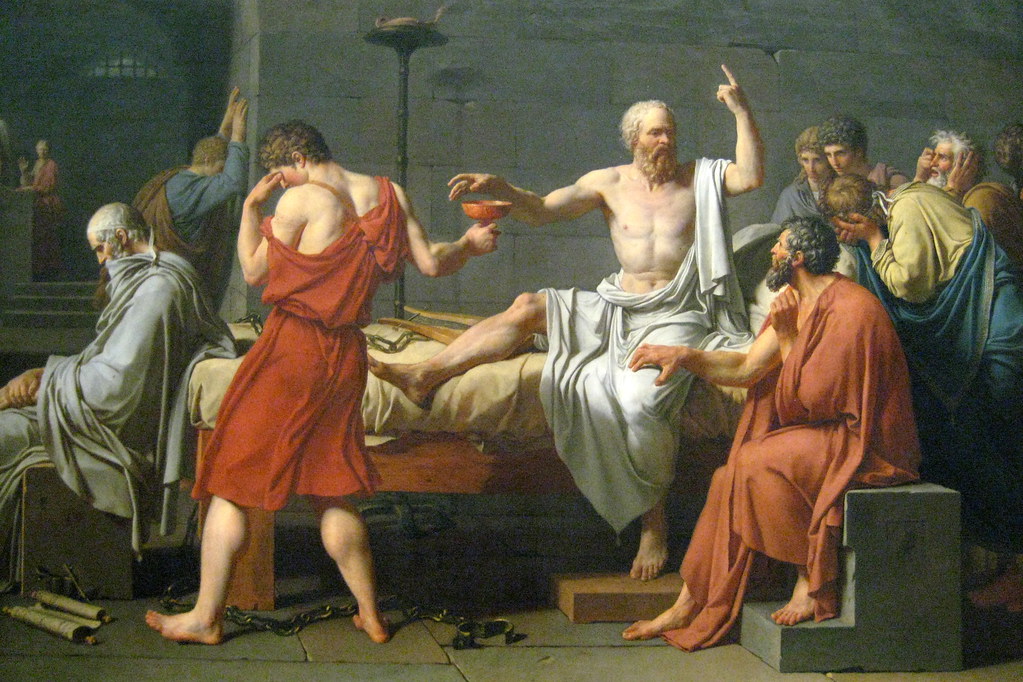
Diagoras arrived in Athens during a period of remarkable intellectual energy. Philosophers, dramatists, and statesmen debated the nature of justice, truth, and power. Socrates questioned the meaning of virtue, while dramatists like Euripides challenged traditional myths. Yet Diagoras went further. He denied the existence of gods and rejected the rituals that defined civic identity. He argued that the world operates through human decisions, not divine will. His rejection shocked many citizens, as religion served both as moral guidance and as a political glue.
Diagoras employed direct language and sharp humor to criticize religious customs. He mocked sacrifices and accused people of using ritual to mask fear, guilt, and ambition. Furthermore, he pointed to the failures of divine justice in everyday life—innocent people suffered while corrupt leaders thrived—and argued that this chaos demonstrated the absence of gods. His message reached the public not only through poetry but also through speeches and conversations.
A famous anecdote places Diagoras in a temple filled with votive offerings. Worshippers believed these offerings demonstrated divine intervention. Diagoras disagreed, reportedly saying that the walls should also include plaques for the sailors who had drowned. For him, the selective evidence of miracles undermined reason. The remark spread quickly, enhancing his reputation. He became known as the atheist of Milos, a title he was the first to earn, and it followed him throughout Greece.
Diagoras also targeted mystery cults such as those at Eleusis and Samothrace. He dismissed their secret ceremonies and publicly exposed their rituals, enraging officials who relied on secrecy for initiations. He used these moments to argue that fear and ignorance sustained such cults. His views challenged not only religious belief but also the authority of the institutions that defended it.
Anecdotes that reveal Diagoras’ sharp mind
Diagoras moved through Greece with a restless mind and a bold tongue. Many stories capture his humor and clarity. One famous tale describes a believer who tried to convert the first atheist philosopher. The man showed him a list of people who had supposedly avoided death after praying. Diagoras laughed and said the list proved nothing, pointing out that many others prayed and still died. His comment cut through the argument and revealed his keen sense for flawed logic.
Another story places him on a ship during a violent storm. The frightened sailors accused him of angering the gods because he was an atheist. Diagoras initially laughed and then scorned them. He reminded them that storms struck many ships every year and asked whether each ship carried a Diagoras. They calmed for a moment—until another huge wave crashed across the deck. Diagoras looked at the water and quipped that too many wicked sailors were aboard that day. The joke broke the tension and demonstrated his ability to mock superstition even in dangerous circumstances.
He also debated priests who promised divine justice. At first, Diagoras listened patiently to their claims but then pointed to wealthy criminals who walked free. He argued that the gods ignored human affairs because they lacked interest—or perhaps did not exist. Crowds gathered around him, captivated by his confidence and humor, albeit shocking.
Another anecdote places him in a workshop where craftsmen made statues of gods. He asked one sculptor to explain the process. The sculptor described shaping each part with tools. Diagoras smiled and remarked that humans made the gods rather than the other way around.
Diagoras and the laws of Mantineia
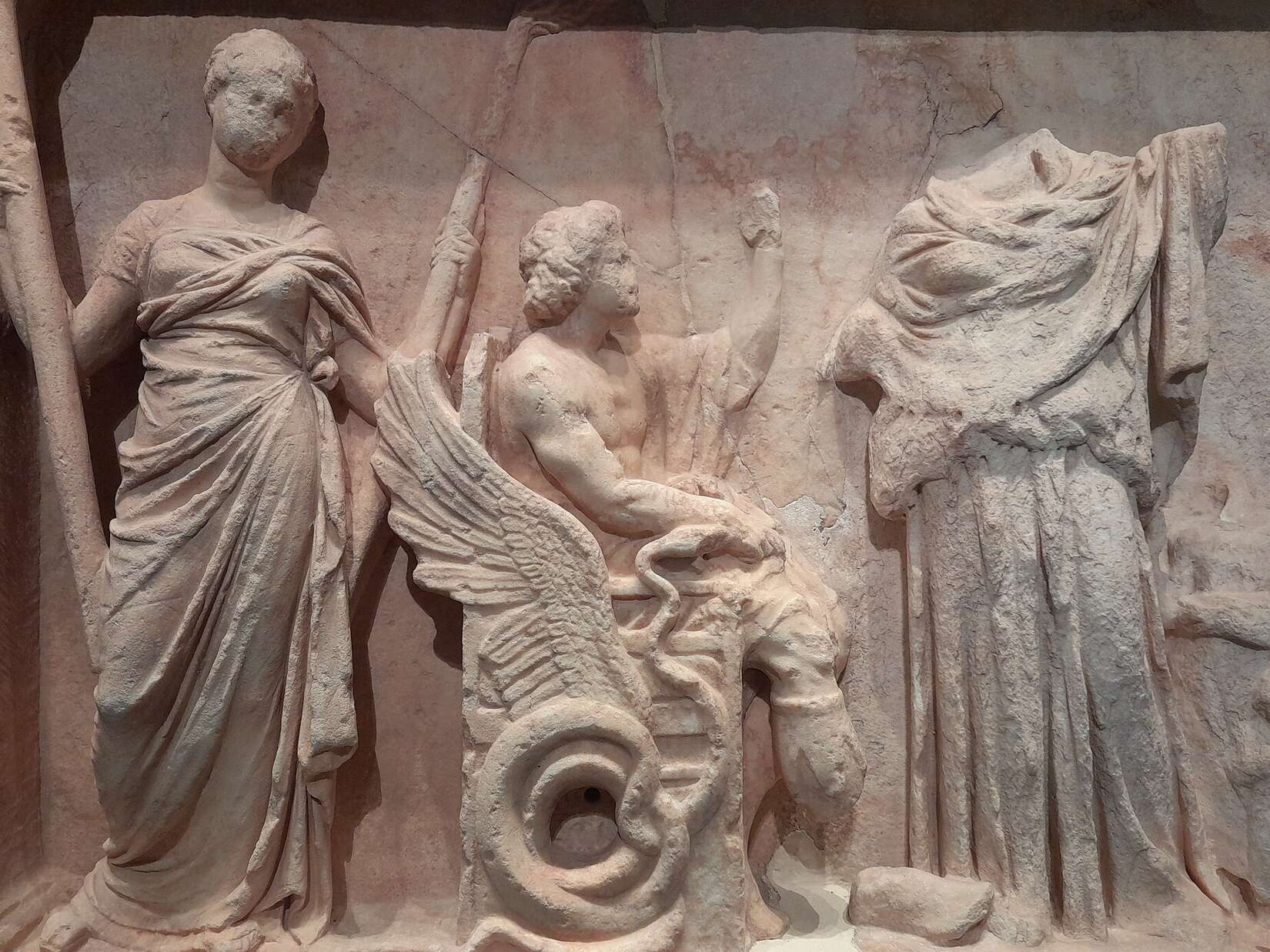
After leaving Athens, Diagoras traveled widely, eventually arriving in Mantineia, a city in Arcadia with a proud tradition of civic debate. The region valued order and fairness, and its citizens welcomed the insights of outside thinkers. Diagoras found a receptive audience there and influenced the city’s legal reforms.
Aristotle records that he helped shape new laws in Mantineia. He advised the lawmaker Nicodorus to focus on human judgment rather than divine authority, arguing that cities thrive when their laws are based on reason and fairness. His guidance encouraged Mantineian officials to strengthen their legal code with clear policies and direct accountability, relying less on religious oaths and sacred punishments. They established a system grounded in human decision-making.
This episode is significant because it shows Diagoras actively participating in public life. He was not a distant philosopher; he engaged with cities that valued order and improvement. His ideas influenced discussions of justice and civic duty, and Mantineia used his guidance to design a fairer system with strong institutional foundations.
His influence there highlights a key aspect of his legacy. Diagoras did not attack religion merely to provoke outrage; he advocated for a world in which reason took precedence over superstition. The laws of Mantineia reflect that vision and remain one of the earliest examples of legal thought shaped by open disbelief in divine authority.
Conflict with Athenian authorities
Athens tolerated debate but with limits. Charges of impiety threatened anyone who questioned the gods. Diagoras knowingly crossed that line and refused to hide his views. He continued speaking openly in public gatherings, and his boldness thus angered many officials, who saw impiety as a direct threat to social order and civic stability.
Diodorus Siculus reports that Athens placed a bounty on him. According to these accounts, Diagoras escaped the city just before his arrest. He traveled through Greece, continuing discussions with thinkers, poets, and skeptics in other regions. His exile illustrates the dangerous path he walked: Athens valued free thought, yet punished him when that freedom conflicted with religious identity.
Diagoras left a lasting impression on later writers. Theophrastus, Cicero, and others cited him in discussions of belief and skepticism. His name became a symbol of open rejection of divine authority. Later schools of thought, including the Cynics and Epicureans, echoed his emphasis on natural explanations and human responsibility.
His influence endured even though his writing disappeared. His story survives through anecdotes that highlight his sharp reasoning. Diagoras relied on direct observation and personal judgment rather than inherited tradition. In a world that revered ritual, his stance represented a striking departure from common expectations.

The final years
Stories about Diagoras’ final years vary. Most accounts say he died far from Athens, still steadfast in his beliefs. One anecdote places him near a temple shortly before his death; he refused to enter and joked about the gods’ inability to punish him. Another account claims he died at a banquet, speaking freely until his last moments. Though shaped by legend, these stories share a clear message: Diagoras never wavered in his stance.
His life reveals a unique figure in Greek history. Unlike many thinkers who questioned myths metaphorically, he denied the existence of gods outright. He lived during a period that valued ritual, civic unity, and ancestral tradition. His voice disrupted these expectations with direct criticism and clear reasoning, and his courage made him a rare figure in antiquity, securing his place as the first known atheist in history.
See all the latest news from Greece and the world at Greekreporter.com. Contact our newsroom to report an update or send your story, photos and videos. Follow GR on Google News and subscribe here to our daily email!

