



Socrates’ prophecy began as a subtle thread woven through his life, for his daimonion, or inner divine intuition, guided his decisions and fueled his relentless pursuit for truth. He spent his days in the open streets of Athens, walking without wealth or political office, questioning everyone he met.
His journey began with a mysterious message from Delphi and ended with a cup of hemlock. Between these moments unfolded one of the most remarkable dramas in the history of philosophy. Socrates lived as a devout man, honoring the gods and visiting their temples. Yet many wondered why he challenged every belief.
In response, he shared a story from Delphi: his friend Chaerephon once asked the oracle whether anyone was wiser than Socrates. The priestess replied that no one was.
Apollo’s prophecy and the mission of Socrates
Socrates received Apollo’s message with disbelief. He believed he possessed no wisdom and truly knew nothing. Yet he resolved to test the meaning of the oracle’s words.
He first approached politicians. They spoke with confidence but knew very little. Their opinions shifted with the crowd, and their pride towered above their understanding. Socrates questioned them, and their ignorance became immediately apparent. Some grew hostile, while others felt wounded.
Next, he turned to poets. They composed powerful and moving verses, yet they could not explain their own work. Their creativity was guided by inspiration and intuition rather than true knowledge. Socrates respected their talents but found no wisdom there.
Then he approached craftsmen. They mastered their crafts and possessed genuine skill. Yet they assumed that this expertise granted them universal understanding. Their confidence extended far beyond the limits of their knowledge. Through these encounters, Socrates came to understand the truth: Apollo had been right.
It became clear that people believed they knew that which they in fact did not. In contrast, Socrates recognized his own ignorance, which gave him a unique advantage. He now saw his mission clearly: to expose false beliefs and challenge presumed knowledge. In doing so, he would reveal that he was, as his pupil Xenophon noted, the wisest man.
Yet this wisdom was not his own. Because the people he encountered were ignorant not only of knowledge but also of their ignorance, their errors revealed a higher source of understanding—divine intuition. Socrates’ mission, therefore, was to remind humanity that the gods are the true source of real knowledge.
Due to his mission, however, he soon acquired plenty of enemies. By forcing others to confront their own weakness, he provoked resentment and earned few allies in Athens.
The gathering storm in Athens
Athens had endured a century of hardship, suffering through war, plague, and political turmoil. The city lost its empire and much of its confidence. Citizens searched for someone to blame, and fear and exhaustion fueled their anger.
Several of Socrates’ students became notorious. Alcibiades betrayed Athens more than once, and Critias led the Thirty Tyrants during a brutal period. Many Athenians despised these men. Plato recounts that, because of Aristophanes’ satirical play The Clouds, people associated their crimes with Socrates, blaming him for corrupting the youth even though he never supported their actions. His enemies seized on this climate of resentment to build a case against him.
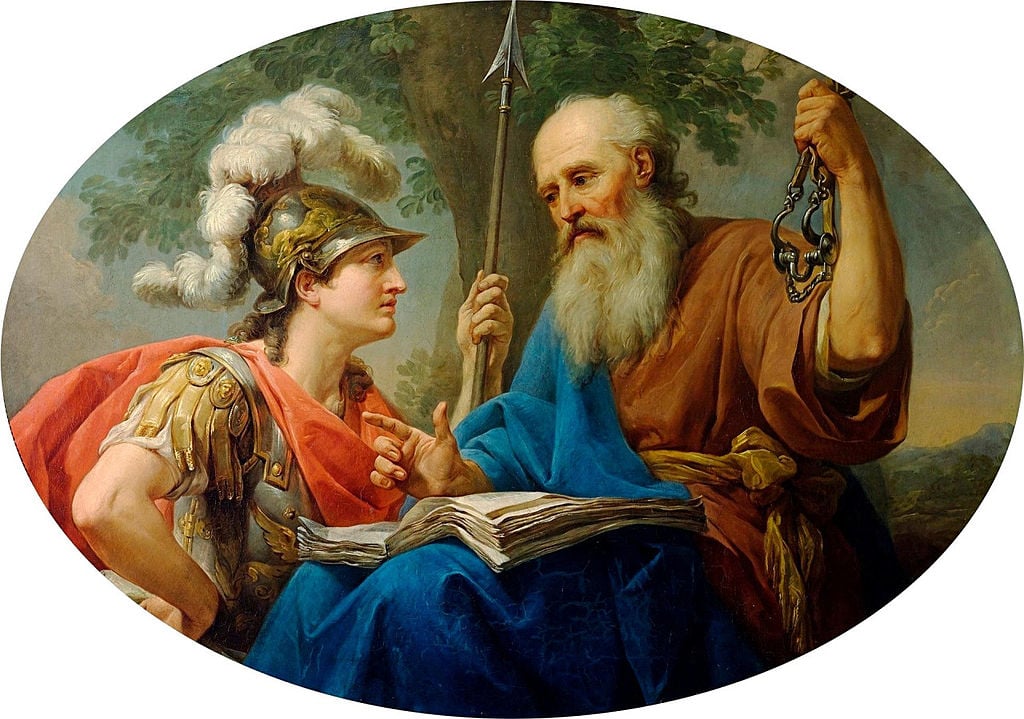
Meletus, a young poet, brought the first accusation against Socrates, joined by Anytus, a powerful politician. They claimed that he corrupted the youth and taught them to disdain tradition. He was also accused of impiety and of introducing new gods. Socrates denied every charge, standing before the court with calm dignity. He refused to flatter the judges, accepting the process while defending truth above his own survival.
The trial and the final warning
The judges listened with mixed feelings. Some admired his courage, while others resented his sharp tone. Socrates reminded them that he had served Athens in war. He insisted that he would obey the laws of his beloved homeland, even when doing so would harm him, because he believed that injustice can never be fought with injustice. He argued that his mission benefited the city more than any other duty he could perform.
He rejected the charge of corrupting the youth, explaining that good men improve others, while evil men harm everything they touch. His life demonstrated only a passion for truth. Socrates also addressed the charge of impiety, reminding the court that his work began with a command from Apollo. He spoke of his daimonion—his inner divine sign—which restrained him from harmful actions and never urged him toward evil, confirming his bond with the divine.
The judges voted, and a narrow majority found him guilty. The accusers then demanded the death penalty. Socrates proposed a counter-penalty, suggesting that he deserved public honor instead. His honesty offended many judges. After his friends urged him, he offered a small fine. The court voted again, this time widening the margin—death became certain.
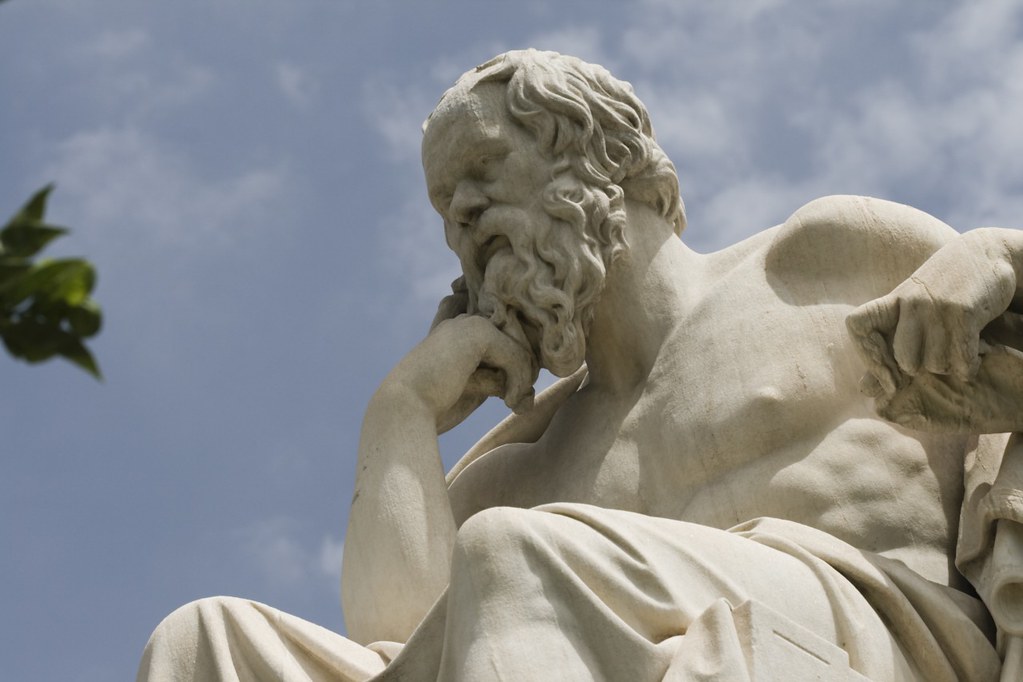
Before leaving the court, Socrates delivered a final warning. He told the judges that their choice would harm themselves more than him. Silencing him, he said, would bring greater trouble, as others would rise in his place. He predicted that Athens would suffer for condemning an innocent man.
Socrates also invoked an ancient belief: that men often speak with prophetic clarity near death. Homer had mentioned this long ago. Socrates embraced this idea, and his prediction proved almost immediately true.
The fulfillment of Socrates’ prophecy
Events unfolded swiftly after Socrates’ death. Athens soon came to regret its decision. Citizens recognized the injustice they had committed, and anger turned toward the accusers, whose names became symbols of shame.
According to the doxographer Diogenes Laertius, Meletus met a violent end, torn apart by a furious crowd. Anytus fled to Heraclea for safety, only to be expelled by the locals shortly afterward. Others involved in the prosecution ended their own lives. No one respected them, and few wished to be in their vicinity.
Not long after, a terrible plague struck Athens, sweeping through the city. Many believed the gods were punishing them for killing Socrates. Meanwhile, his memory grew brighter with each passing year. His calm acceptance of death exposed the city’s moral weakness. In the end, Athens attempted to ease its guilt, yet every effort only deepened its shame.

The legacy of the dying sage
Socrates faced death with peace in his heart. He believed that death brought either dreamless sleep or a meeting with noble souls. Fearing neither, he accepted the hemlock without trembling. He spoke gently to his companions and reminded them to offer a cock to Asclepius, his final words hinting at healing. For Socrates, death freed the soul from suffering.
Socrates’ prophecy remains one of the most remarkable moments in ancient history. He stood alone before an angry city yet refused to abandon his mission, seeing the fate of Athens more clearly than its leaders. He understood that injustice punishes itself. His death exposed the city’s wounds, while his life illuminated a path toward truth. His prophecy revealed the consequences of ignorance.
Socrates’ story endures. His questions continue to challenge human pride, and his courage inspires every seeker of truth. His calm acceptance of death stands as a lasting monument to integrity. Athens condemned him, yet history vindicated him. Ultimately, the prophecy he spoke of with clarity at the edge of death proved true almost immediately.
See all the latest news from Greece and the world at Greekreporter.com. Contact our newsroom to report an update or send your story, photos and videos. Follow GR on Google News and subscribe here to our daily email!

