



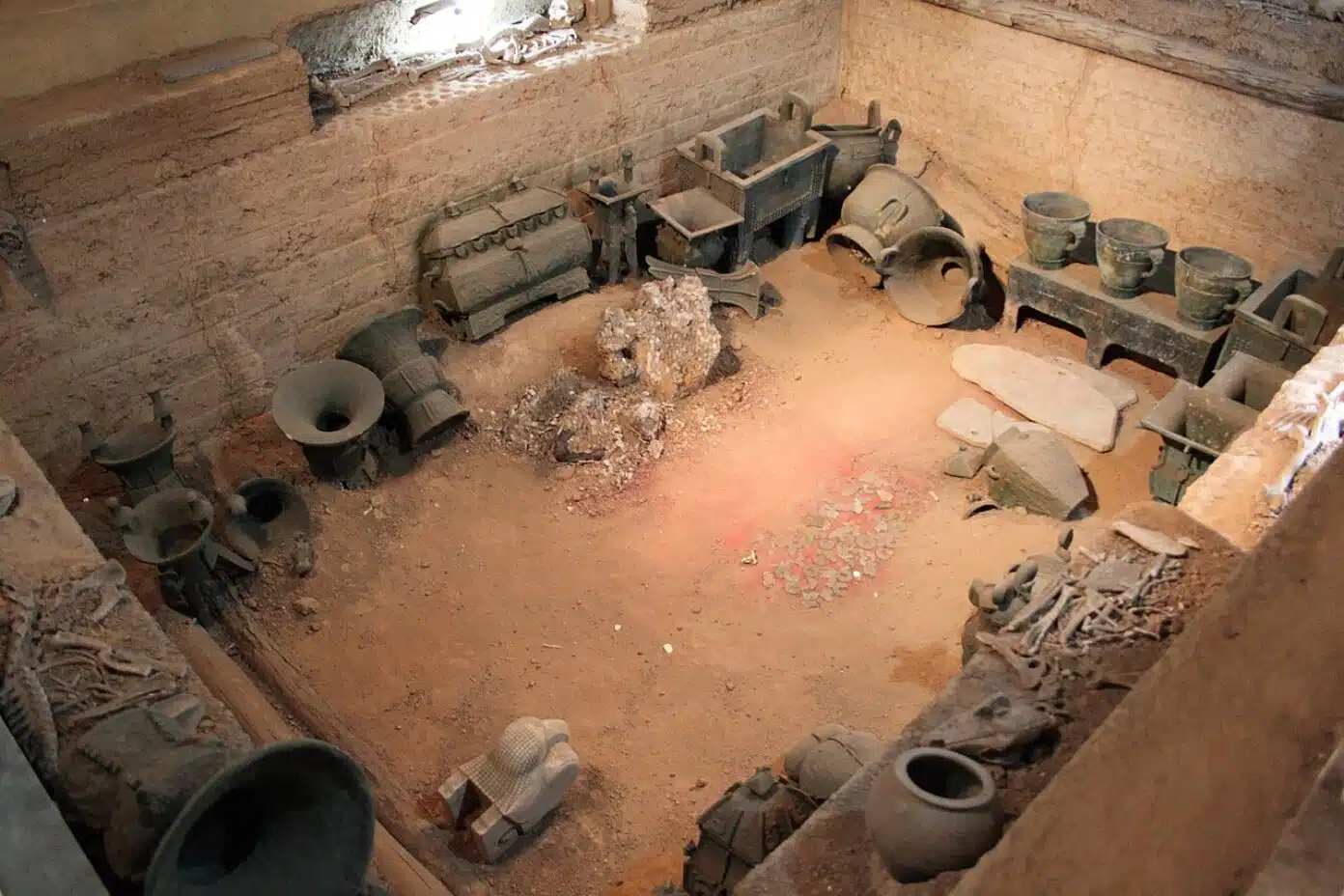
Ancient tombs scattered across China, some dating back more than 4,000 years to the Xia Dynasty, are helping researchers understand how people lived and died throughout the country’s long history.
A new study published in PLOS One shows that these burial sites reflect shifting social, economic and political landscapes from early dynasties to modern times.
The research, led by Quanbao Ma of the Beijing University of Civil Engineering and Architecture, involved a detailed digital analysis of the spatial and historical distribution of tombs across China.
By mapping where these tombs are located, the team uncovered patterns that reveal how geography, population movement and political stability influenced burial practices.
Tombs reflect stability and migration trends
According to the findings, a large number of surviving tombs come from periods marked by strong central governments and stable conditions, including the Qin-Han and Yuan-Ming-Qing dynasties.
In contrast, fewer tombs remain from times of conflict, such as the Five Dynasties era. Researchers believe people were more likely to invest in burial rituals when their living standards were higher and resources were more readily available.
The study also found that war and migration had a significant impact on tomb locations. During the late Eastern Han through the Northern and Southern dynasties, northern China saw frequent warfare.
This unrest drove populations southward, and many tombs from that period are now concentrated in southern regions.
Geographic features and climate helped shape burial site distribution
Two regions in particular, Chengdu-Chongqing and the Central Plains, show higher concentrations of ancient tombs. The research team attributed this to favorable environmental conditions.
Chengdu-Chongqing is known for its fertile soil and relatively flat terrain, while the Central Plains offer a similar landscape along with abundant water sources. These features likely supported dense settlements, and the humid climate in both areas may have helped preserve artifacts inside the tombs.
Ma and his colleagues stressed the importance of these burial sites as a key source of cultural heritage. They said the study provides a strong scientific basis for improving how such sites are preserved, and may guide future protection efforts.
In summarizing their work, the authors explained that their digital survey uncovered long-term patterns in how tombs developed and where they were built. This, they said, lays the groundwork for a more precise and evidence-based preservation system.
China’s 4,000-year-old tombs reveal how people lived and died, not just through the remains they left behind, but through the decisions made about where and how they were buried.
See all the latest news from Greece and the world at Greekreporter.com. Contact our newsroom to report an update or send your story, photos and videos. Follow GR on Google News and subscribe here to our daily email!

