



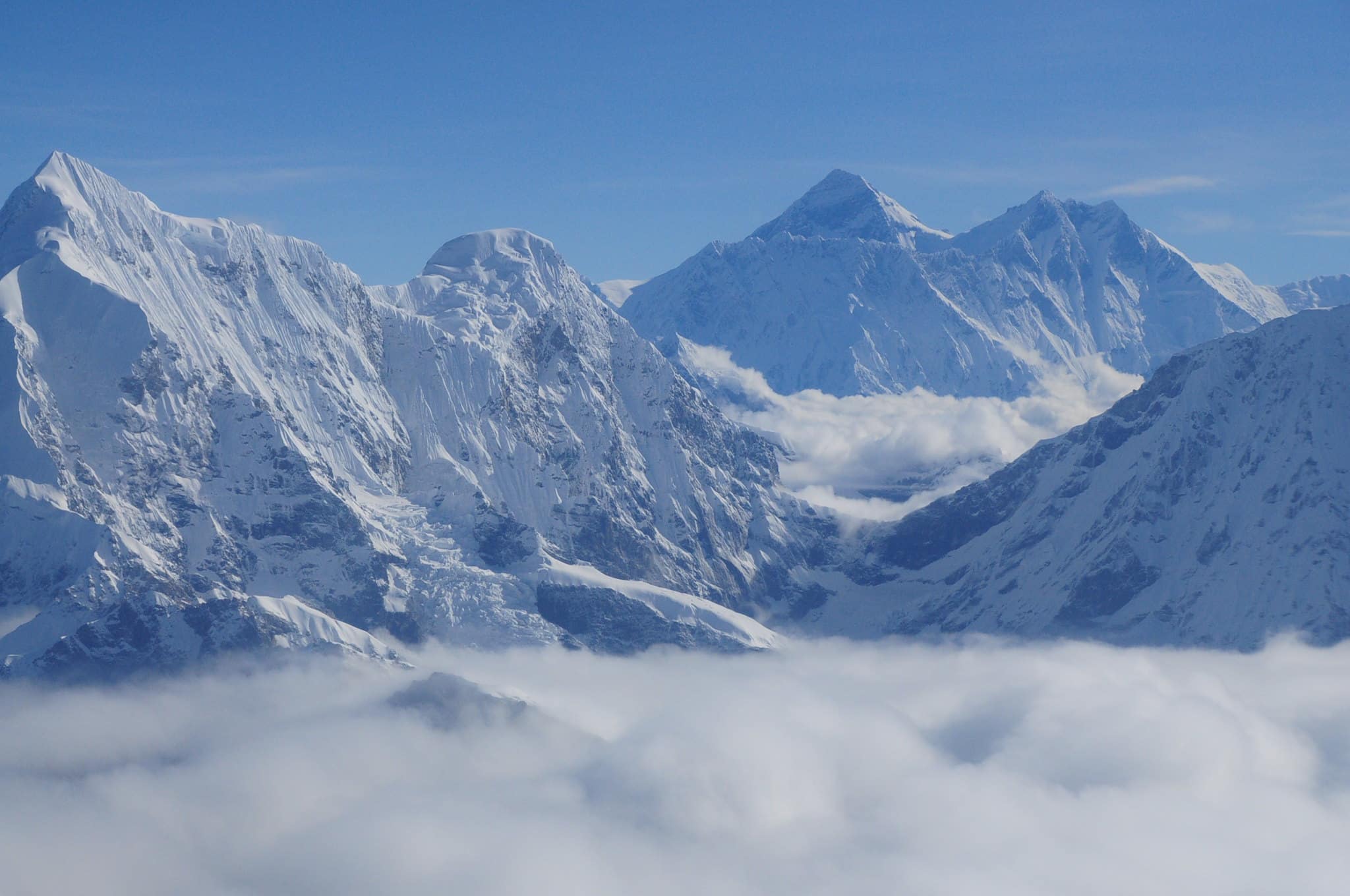
Polish mountaineer Andrzej Bargiel has become the first person to ski down Mount Everest from its summit to Base Camp without using supplemental oxygen. The daring feat, completed on the world’s highest peak at 29,032 feet (8,849 meters), has redefined what is possible in both high-altitude climbing and extreme skiing.
Instead of retracing the perilous climb down on foot, Bargiel clicked into his skis and navigated the treacherous slopes to safety. Previous attempts to ski Everest had ended in partial descents or required oxygen support. Bargiel’s uninterrupted run to Base Camp stands as a landmark moment in mountaineering.
A mountaineer with a record of firsts
The 36-year-old athlete from Poland has long been known for taking on challenges considered impossible by others. In 2018, Bargiel etched his name into history as the first person to complete a full ski descent of K2, the world’s second-highest and most dangerous mountain, also without bottled oxygen. That climb earned him global recognition in the mountaineering world.
@abcnews Polish athlete Andrzej Bargiel has made history by becoming the first person ever to climb Mount Everest without supplementary oxygen and complete a full ski descent to Base Camp. In 2018, he became the only person to make a full ski descent of K2 without supplementary oxygen, and has now become the first in history to extend that legacy to the world’s highest mountain. #news #mounteverest
Bargiel grew up in the Tatra Mountains of southern Poland, where he began climbing and skiing as a teenager. His background in both disciplines helped him develop a rare set of skills that combine speed, precision, and the ability to endure extreme physical stress. Those skills have set him apart in a sport where risk is constant and mistakes can be fatal.
Everest’s unforgiving challenge
Mount Everest, straddling the border between Nepal and China’s Tibet Autonomous Region, has claimed more than 300 lives since it was first summited in 1953.
Known as the “death zone,” the altitude above 26,000 feet (8,000 meters) leaves the human body unable to acclimatize. Most climbers rely on bottled oxygen to survive, but even then, the risks include frostbite, altitude sickness, and sudden weather changes.
Bargiel chose to forgo supplemental oxygen entirely, pushing his body to function in an environment where every breath is a struggle. Skiing down required not only stamina but also the ability to navigate steep ice, crevasses, and avalanche-prone terrain at high speed.
Expanding the limits of exploration
Experts say Bargiel’s accomplishment sets a new benchmark for endurance and skill. Ski descents on Everest have been attempted before, but none succeeded from summit to Base Camp in one continuous line, and never before without the use of oxygen.
For decades, Everest has symbolized human resilience and ambition. Bargiel’s bold descent has secured his place in history and widened the boundaries of what future explorers may dare to attempt on the world’s most dangerous peaks.
See all the latest news from Greece and the world at Greekreporter.com. Contact our newsroom to report an update or send your story, photos and videos. Follow GR on Google News and subscribe here to our daily email!

