



Hyllus, son of Hercules and Deianira, serves as a vital link between Hercules and the origins of the Dorian Greeks, born into a world of divine heritage and mortal strife.
His life bridged two great traditions: the heroic lineage of Hercules and the tribal identity of the Dorians. Through him, the legacy of one of Greece’s greatest heroes merged with the rise of a people who would shape the ancient Aegean’s political map.
The expulsion of the Heracleidae
Hyllus was born during a turbulent time for his father, Hercules who, though beloved by many, had enemies among both mortals and gods. Deianira, his mother, unwittingly caused Hercules’ death. Believing she was safeguarding her husband’s fidelity, she gave him a robe soaked in the blood of the centaur Nessus. The poison burned into his flesh, leading to his mortal end and his eventual apotheosis.
When tragedy struck, Hyllus was still young. In Sophocles’ Trachiniae, he appears as a devoted son, defending his mother even as he grapples with her role in his father’s death. After Hercules’ passing, Hyllus vowed to avenge his father’s enemies and protect his family’s honor.
The story of Hyllus intertwines with the broader saga of the Heracleidae—Hercules’ descendants. After Hercules’ died, Eurystheus, king of Mycenae and a long-time enemy of the hero, drove his children and kin into exile. The Heracleidae fled to Athens, where the Athenians, under King Demophon, refused to surrender them. A war ensued, ending with Eurystheus’ death. Despite this victory, the Heracleidae failed to reclaim their ancestral lands on the Peloponnese.
Hyllus grew to manhood during this exile. The Peloponnese, the heartland of his father’s legacy, remained out of reach. The Dorians, a northern Greek people, became his allies in the quest to return.
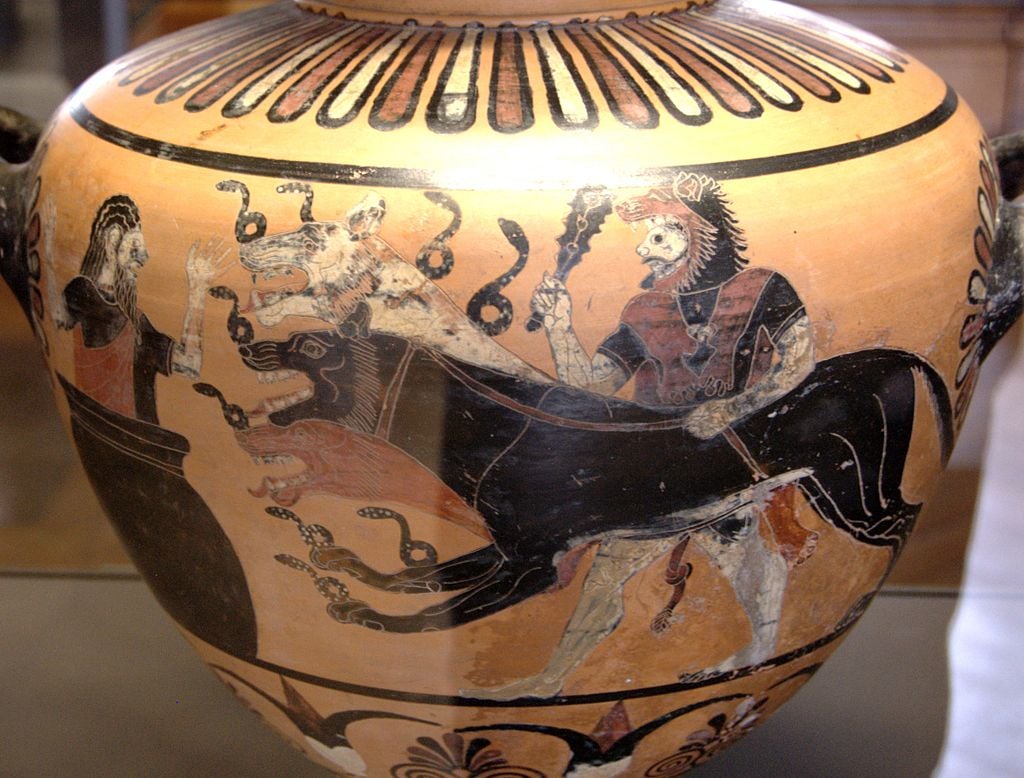
Alliance with the Dorians
The bond between Hyllus and the Dorians represents a pivotal intersection of Greek myth and early political identity. Traditionally, the Dorians were a hardy people from central Greece’s mountains, valuing strength and martial prowess—qualities Hyllus embodied. In turn, Hyllus saw in them the military force to reclaim his heritage.
This alliance was as much symbolic as historical. Myth holds that Hyllus was adopted by Aegimius, king of the Dorians, with this adoption sealing a pact between them and the Heracleidae. The two lineages were thus united by a shared destiny. The Dorian tribes claimed descent not only from their own ancestral kings but also from Hercules through Hyllus.
The union provided a narrative justification for the later Dorian conquest of the Peloponnese, remembered in Greek tradition as the “Return of the Heracleidae.” Hyllus’ role served as the key link legitimizing Dorian rule over lands once tied to Hercules.
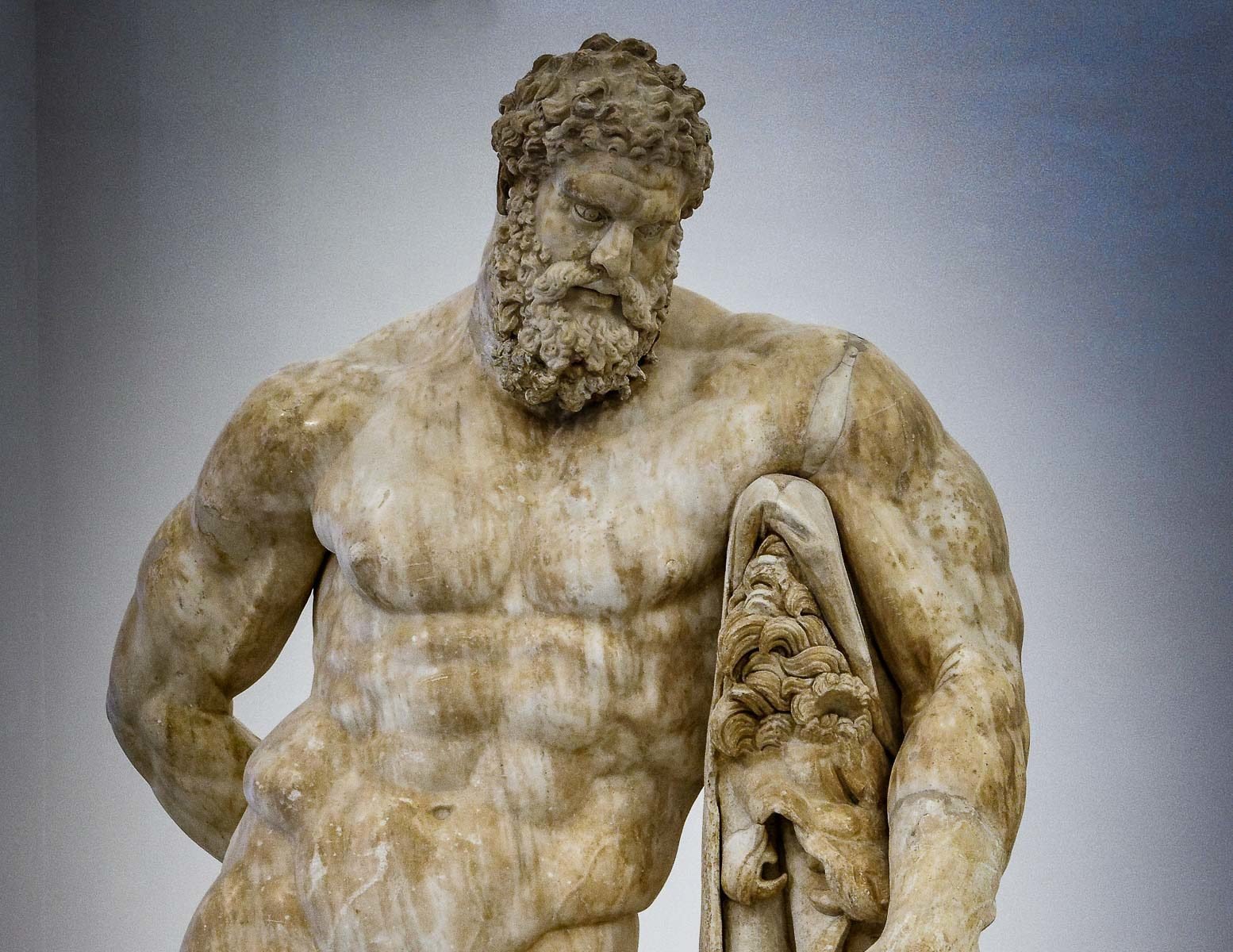
The attempt to reclaim the Peloponnese
The most famous episode in Hyllus’ life concerns his attempt to retake the Peloponnese. Consulting the oracle at Delphi, the Heracleidae were advised to wait for “the third harvest” before advancing. Hyllus interpreted this as the third year. At that time, he led the Dorians and his kin to the Isthmus of Corinth.
There, the Peloponnesian forces, led under Echemus, king of Tegea, confronted them. To avoid a costly war, both sides agreed to decide the conflict by single combat. Hyllus faced Echemus in this decisive duel. The stakes were high: if Hyllus won, the Heracleidae would reclaim their lands; if he lost, they would retreat for another generation.
The duel ended with Echemus’ victory and Hyllus’ death. The Heracleidae honored the agreement and withdrew. Yet Hyllus’ death became a rallying point for his descendants, who would eventually return to conquer the Peloponnese alongside their Dorian allies.
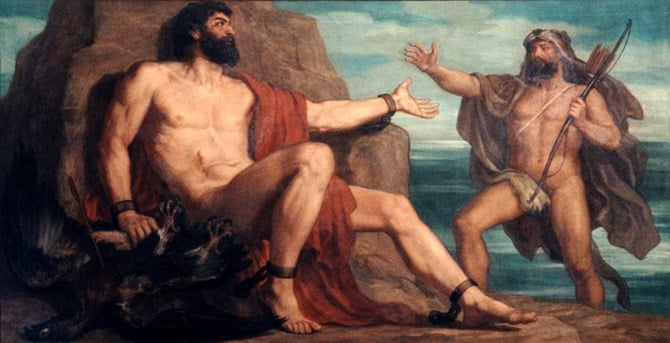
Hyllus’ legacy in myth and politics
In later generations, Hyllus evolved from a tragic figure into a symbol of royal lineage and political unity. For the Dorians of Sparta, Argos, and Messenia, descent from Hercules through Hyllus conferred prestige and legitimacy.
His story connected the Dorians to the heroic age. In Greek culture, political legitimacy often stemmed from lineage. Hyllus embodied loyalty, courage, and honor—core Greek values—and his alliances provided the Dorians with a rightful claim to the Peloponnese.
Beyond politics, Hyllus’ story carried moral significance. He exemplified family loyalty, bravery, and steadfastness to oaths, even unto death. His willingness to face Echemus in single combat highlighted his personal valor and dedication, reflecting the heroic ideals celebrated in the Homeric age.

Hyllus in literature
Ancient literature respected Hyllus although he often played a secondary role in larger narratives. The poet Sophocles’ Trachiniae highlighted his emotional presence in Hercules’ final moments. Pindar cited him as a forefather of Dorian kings, while Pausanias, the Greek traveler and geographer, recorded traditions surrounding his duel with Echemus.
Later historians and mythographers viewed Hyllus as the crucial link between Hercules and the historical Dorian states. Through these retellings, his legacy endured in Greek cultural memory.
Though his life was brief, Hyllus’ influence was lasting. As Hercules’ son and the Dorians’ adopted ally, he transformed his heroic lineage into political legitimacy. His death at the hands of Echemus delayed the Heracleidae’s return, but the Dorians finally conquered the Peloponnese under his lineage’s banner.
See all the latest news from Greece and the world at Greekreporter.com. Contact our newsroom to report an update or send your story, photos and videos. Follow GR on Google News and subscribe here to our daily email!

