



New research from Peking University has uncovered evidence of an ancient matrilineal society in China, where a Neolithic farming village organized family life through the mother’s lineage for over ten generations.
The study, published in Nature, focuses on the Fujia archaeological site, located in the province of Shandong on China’s northeastern coast. Dating back to 4,500 years ago, the site belonged to the late Dawenkou culture and offers rare insight into early social structures.
Researchers uncovered more than 500 graves across two cemeteries and analyzed DNA from 60 individuals—14 in the northern cemetery and 46 in the southern one.
Maternal lines were consistent, and paternal lines were mixed
All individuals in the northern cemetery shared the same maternal genetic marker, while those in the southern cemetery shared a different one. There was no variation within each group. At the same time, paternal genetic markers were more diverse, suggesting that burial practices followed maternal lineages rather than paternal ones.
Chinese scientists have confirmed the existence of a prehistoric matrilineal community in east China's Shandong Province, pushing back the established timeline of matrilineal social societies, which were previously believed to have emerged no earlier than the Iron Age in Europe.… pic.twitter.com/41MLvRb8vl
— People's Daily, China (@PDChina) June 4, 2025
According to the study authors, this pattern reflects long-term stability in how the community was organized. People were buried alongside their mother’s family regardless of age or sex rather than with their spouses or their father’s relatives.
The community showed little movement or outside contact
It has been determined the cemeteries were in use for about 250 years. Radiocarbon dating, combined with bone and chemical analysis, showed that the population remained both physically and socially close-knit during this time.
Most individuals relied on a millet-based diet, and pigs were also fed on millet. Some evidence suggests minor contributions from freshwater or marine sources. Strontium levels in teeth indicated little to no movement throughout life, pointing to a highly settled lifestyle.
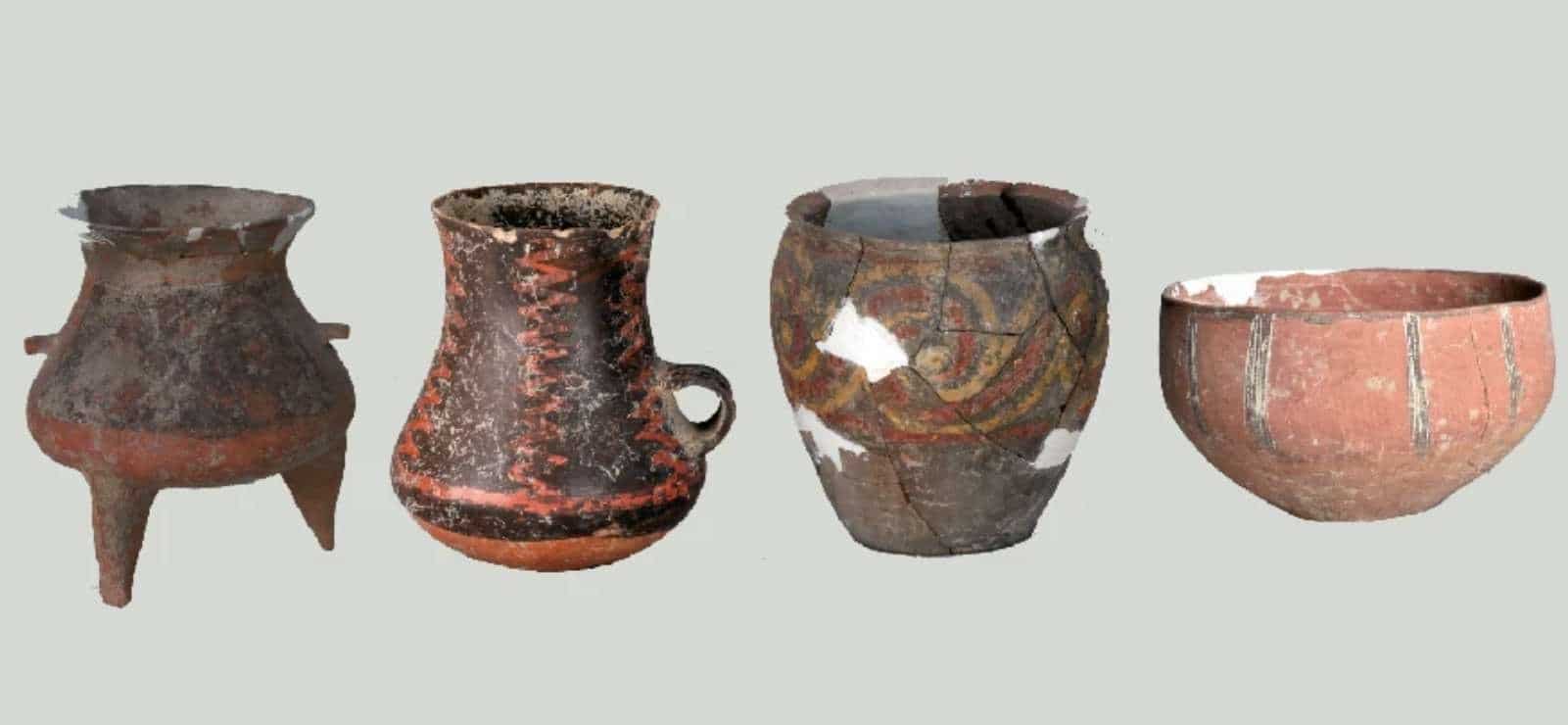
Despite the site’s proximity to other settlements, the population remained small, with an estimated 200 to 400 individuals. Researchers found no signs of close-relative marriages but noted a high degree of unions within the same community.
Findings contrast with male-led systems in early Eurasia
The study’s findings stand in contrast to most research focusing on ancient DNA, which has shown that early farming societies in Europe and Asia were typically organized in relation to male lineage. In those communities, women commonly relocated to live with their husband’s family after marriage.
Only one previous case of a female-led lineage has been confirmed through DNA thus far. This was an elite group at Chaco Canyon in North America. Other possible cases in Iron Age Britain and Celtic regions in Germany remain unconfirmed.
Study offers new model for identifying matrilineal systems
The Fujia study challenges the assumption that male-based family structures were the norm in early agricultural societies. By combining genetic data with burial patterns and chemical analysis, the researchers offer a new model for identifying matrilineal systems in the past.
Further research across East Asia may determine whether such female-centered communities were more widespread than previously believed.
See all the latest news from Greece and the world at Greekreporter.com. Contact our newsroom to report an update or send your story, photos and videos. Follow GR on Google News and subscribe here to our daily email!

