



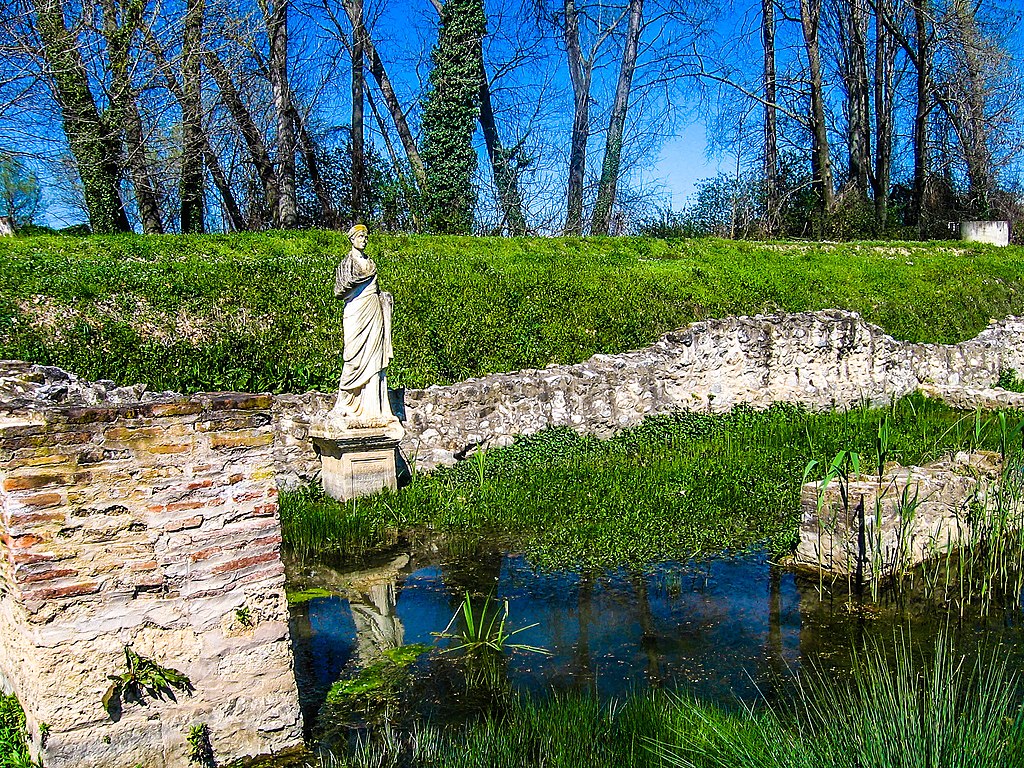
Greece’s Ministry of Culture has announced significant progress in the restoration and promotion of the monumental complex of the Ancient Agora at the archaeological site of Dion. Spearheaded by the Ephorate of Antiquities of Pieria, the project is part of a broader initiative to preserve and enhance one of Macedonia’s most historically and archaeologically significant sites.
Dion was an important ancient city located at the foot of Mount Olympus in Macedonia, northern Greece, near the modern town of the same name. Its name comes from “Dios,” meaning “of Zeus,” and the city was considered a sacred place dedicated to the worship of Zeus and the Olympian gods.
The city was famous for its sanctuaries, temples, and altars, particularly those devoted to Zeus, Demeter, Isis, and other deities. It hosted festivals, sacrifices, and theatrical performances, many held in honor of Zeus Olympios. These included athletic and musical contests, similar to the Olympic Games.
The Agora was at the heart of ancient Dion

At the heart of ancient Dion, the Agora served as the city’s primary public square, hosting key political, social, and cultural structures. This vital urban space included notable buildings such as thermae (bath complexes), the Odeon, and other civic constructions that underscored Dion’s role as a major center of public life in antiquity.
Among the remarkable discoveries within the Agora is a ceramic kiln dating to late antiquity, unearthed on the northern side of the site. This rectangular structure comprises two chambers—one for fuel and another for firing ceramics—and features four pairs of rectangular pillars that support a grate constructed from ceramic bricks and clay.
In a statement, Minister of Culture Lina Mendoni emphasized the strategic and comprehensive nature of the Ministry’s work in Dion:
“The Ministry of Culture is carrying out a broad and multidimensional project to protect and promote the archaeological site of Dion, one of the most important archaeological sites in Macedonia, both historically and culturally.”

Last summer, Greece completed the restoration of the Hellenistic theater of Dion, reopening it to visitors during the 53rd Olympus-Dion Festival.
The first phase of the Agora’s restoration is nearing completion, funded by the Regional Operational Program of Central Macedonia under the NSRF 2021–2027. The next phase of work is scheduled to begin later this year.
In tandem with these developments, the Ministry is also addressing climate resilience. As part of the National Strategic Plan to safeguard cultural heritage from climate change, the Directorate for the Restoration of Ancient Monuments is implementing flood protection measures at the archaeological site, supported by a €2.5 million budget from the Recovery Fund.
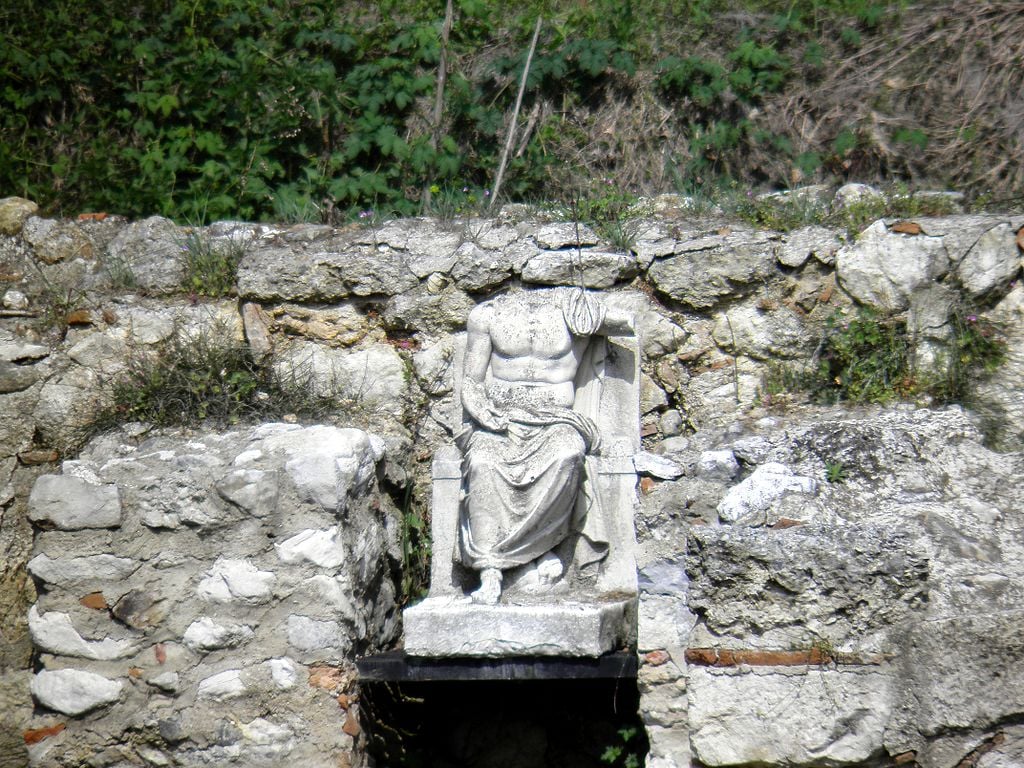
Finally, plans for the renovation of the Archaeological Museum of Dion are also moving forward, further enhancing the site’s appeal and accessibility.
“With these projects,” Minister Mendoni noted, “we not only contribute to the aesthetic and functional upgrade of this major archaeological site but also to increasing its visibility and attracting a growing number of visitors.”
These comprehensive efforts underscore Dion’s enduring cultural legacy and its central place in Greece’s ongoing commitment to heritage preservation and sustainable tourism.
Related: The Priceless Ancient Greek Treasures of Dion, Macedonia
See all the latest news from Greece and the world at Greekreporter.com. Contact our newsroom to report an update or send your story, photos and videos. Follow GR on Google News and subscribe here to our daily email!

