



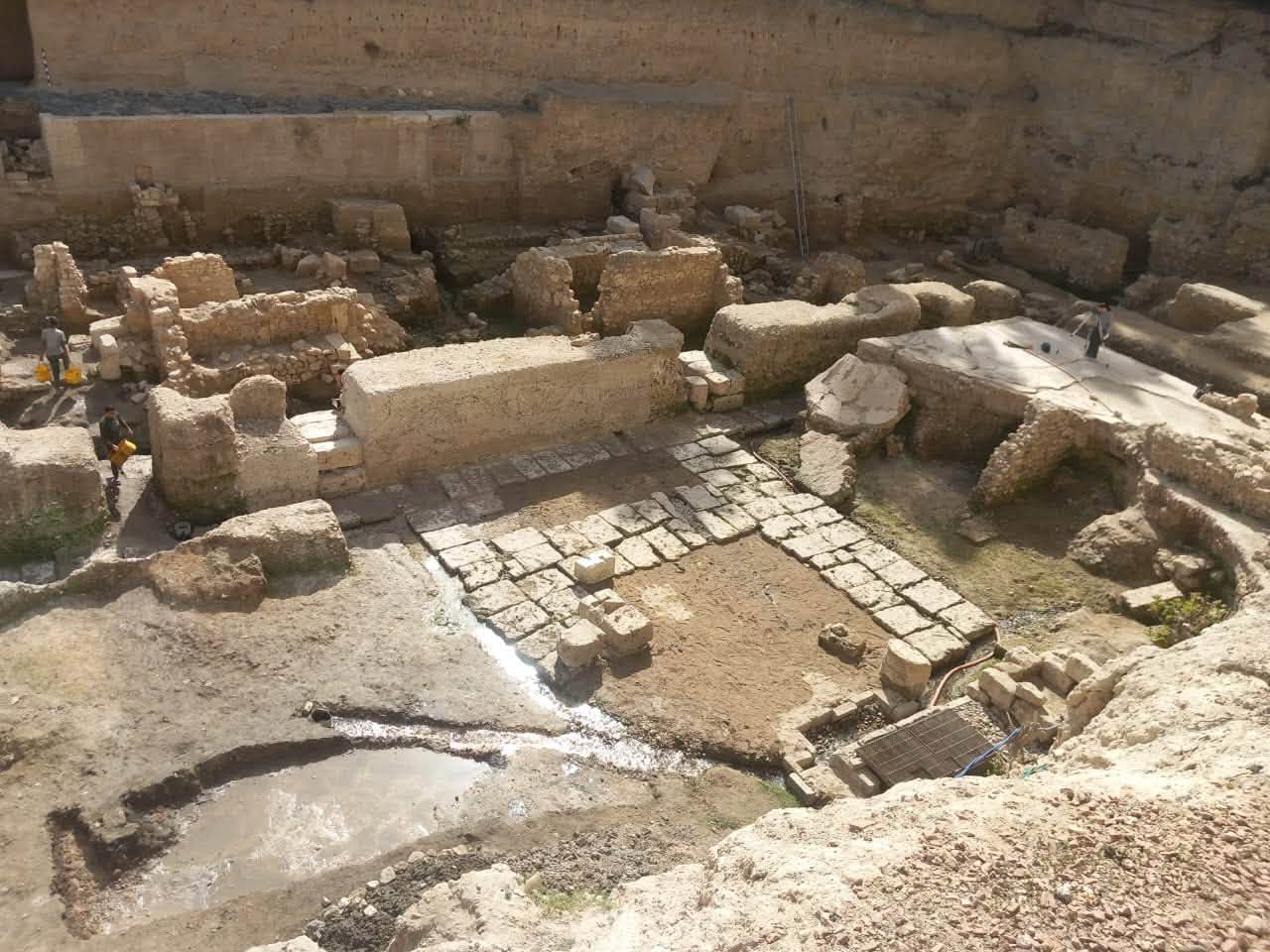
Greek archaeologists have uncovered the limestone foundations of a massive building that Egyptian experts believe may be linked to a Ptolemaic royal tomb in ancient Alexandria, Egypt’s Ministry of Tourism and Antiquities reported. The discovery was made at the Shallalat Gardens archaeological site, within the city’s former royal quarter.
The archaeological team, led by Calliope Limneos-Papakosta of the Hellenic Research Institute of Alexandrian Civilization (HRIAC), has been excavating in the area for about 20 years. The project is funded by the Moheb Kassabgui Foundation and Reliance Egypt.
Excavations revealed the foundations of a large building surrounded by walls, along with a tunnel extending north beneath the structure. Experts examining the remains found that the square shape and dimensions of the foundations indicated they once supported a substantial building of considerable height.
The discovery could help researchers better understand the architectural layout and urban development of the historic royal quarter.
Greek Archaeologist Calliope Limneos-Papakosta
Calliope Limneos-Papakosta has dedicated decades to the study of ancient Alexandria and the search for the lost tomb of Alexander the Great. Her excavations in the city’s Shallalat Gardens have uncovered significant remains of the ancient royal quarter, including the foundations of a monumental Hellenistic building and a rare marble statue believed to depict Alexander the Great, discovered in 2009
Possible Ptolemaic royal tomb in ancient Alexandria linked to Ptolemy IV
A scientific committee appointed by Tourism and Antiquities Minister Sherif Fathy found that the building’s architectural features suggest it may have served a funerary purpose. The structure could represent the royal tomb that ancient historical sources attribute to King Ptolemy IV Philopator, who ruled from 221 to 204 B.C.

The ancient Greek geographer and historian Strabo referred to the tomb in his description of Alexandria. The committee also highlighted the importance of tracing the extent of the foundations to better understand the ancient city’s geographical and architectural layout.
The panel was headed by Ayman Ashmawy, a senior official at Egypt’s Supreme Council of Antiquities, and included specialists in Greek and Roman history and archaeology from Alexandria and Tanta universities.
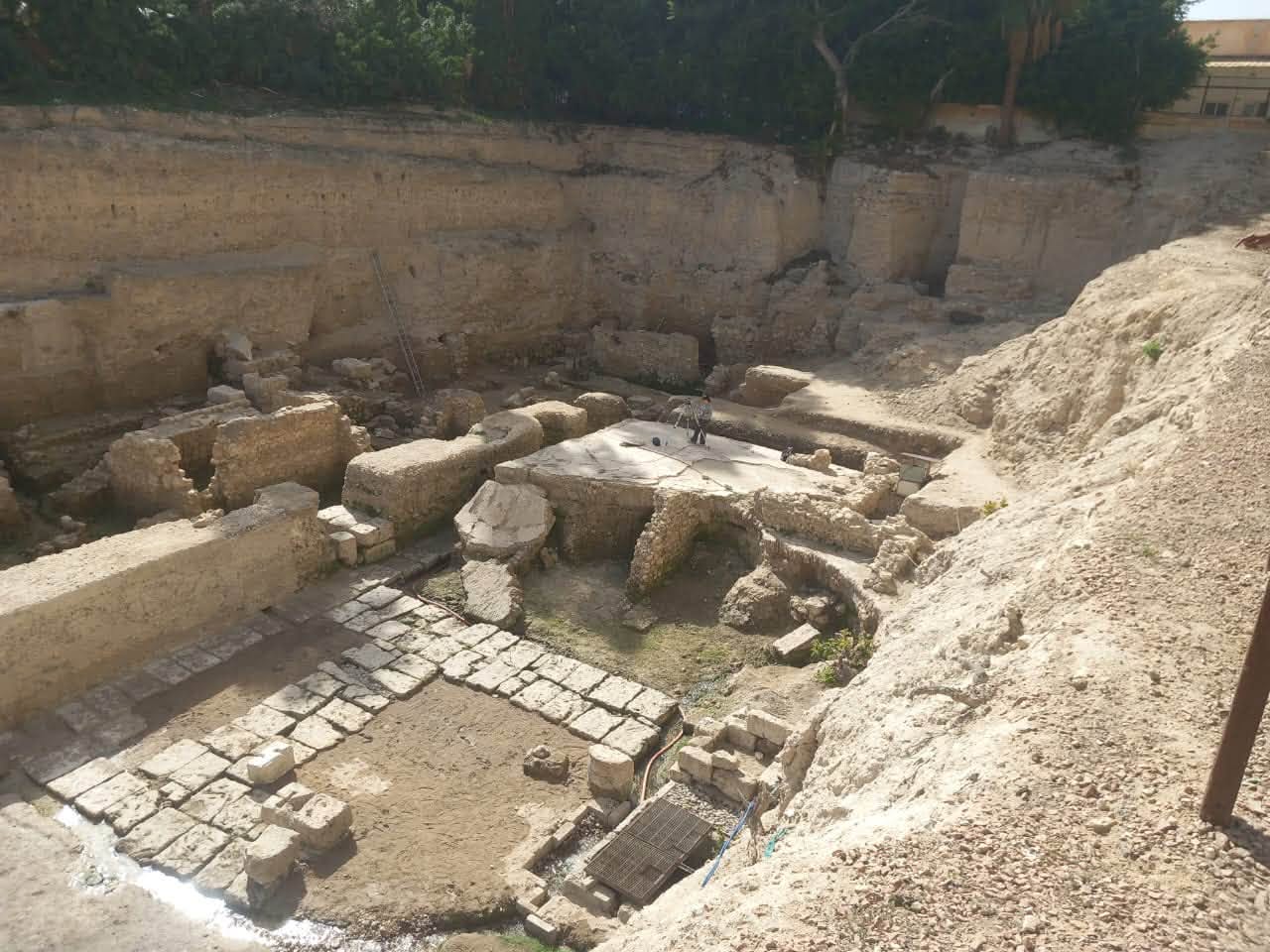
After examining the site, the committee submitted its findings to Hisham El-Leithy, secretary-general of the Supreme Council of Antiquities, who presented them to Fathy.
Further excavations to determine the building’s original function
El-Leithy said the discovery presented new opportunities to study royal buildings from the Ptolemaic period. He emphasized the importance of further archaeological and architectural research to determine the structure’s function and its relationship with surrounding buildings.

Ashmawy said the possible connection to the Ptolemaic royal tomb in ancient Alexandria remained a preliminary hypothesis. Continued excavations could provide additional evidence about the building and other structures associated with it.
Fathy said Alexandria’s successive archaeological discoveries reflected the city’s rich cultural heritage and could reveal previously unknown aspects of its history and urban development.

He also reaffirmed the ministry’s commitment to supporting Egyptian and foreign archaeological missions, strengthening cooperation with research institutions and universities, and preserving Egypt’s cultural heritage.
See all the latest news from Greece and the world at Greekreporter.com. Contact our newsroom to report an update or send your story, photos and videos. Follow GR on Google News and subscribe here to our daily email!

