



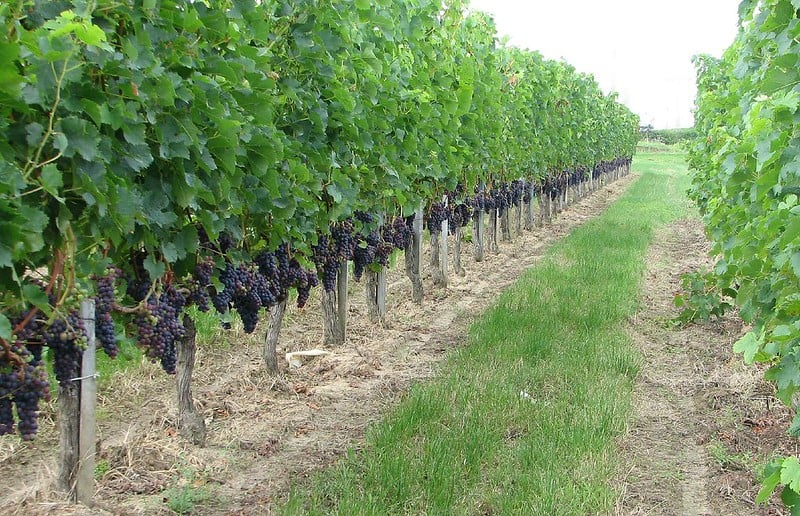
Greece’s Naoussa has been named among Europe’s 12 best wine regions for 2027, joining celebrated vineyard destinations in Italy, France, Spain, Austria, Portugal and Slovenia. More than 90 leading European wine regions were considered for the ranking.
Destinations were assessed on wine quality, heritage, grape diversity, tourism facilities, scenery, gastronomy, sustainability, accessibility and the overall visitor experience. The recognition comes as wine tourism gains popularity across Europe, with travelers increasingly combining vineyard visits with food, culture and outdoor experiences.
Greece’s Naoussa and Portugal’s Alentejo
Naoussa completed the ranking in 12th place. Located in Central Macedonia, the region is the heartland of Xinomavro, one of Greece’s most important indigenous red wine grapes. Known for high acidity, firm tannins, and aging potential, Xinomavro has become increasingly prominent in modern Greek winemaking. Naoussa’s vineyards spread across the foothills of Mount Vermio, creating a landscape shaped by vines, orchards, and mountain terrain.
The area also lies near Mieza, the ancient site traditionally associated with Aristotle teaching the young Alexander the Great. Naoussa’s recognition reflects the wider importance of indigenous grape varieties to Greece’s wine identity.
Portugal’s Alentejo placed 11th. Its vineyards stretch across broad plains dotted with cork oak forests and olive groves. Italy’s Valle d’Aosta followed in 10th place, offering a very different setting, with vineyards rising along Alpine slopes and local grapes including Fumin, Petite Rouge and Prié Blanc.
Austria, France and Italy take several places

Austria’s Wachau ranked ninth, with vineyard terraces overlooking the Danube and a strong reputation for Grüner Veltliner and Riesling. France’s Saumur and Anjou took eighth place. The Loire Valley regions are known for Chenin Blanc and Cabernet Franc, as well as historic châteaux and wine cellars carved into tuffeau limestone.
Italy’s Etna followed in seventh. Vineyards grow across the volcanic slopes of Mount Etna in Sicily, where Nerello Mascalese and Carricante are among the leading varieties. France returned to the ranking in sixth place with Sancerre and Pouilly-Fumé. Located on opposite sides of the Loire, the two areas are particularly known for Sauvignon Blanc. Sancerre is also closely associated with Crottin de Chavignol goat cheese.
Chianti Rufina in Italy took fifth place. Located northeast of Florence, the smaller Tuscan wine region is known for Sangiovese and vineyards growing at higher, cooler elevations.
Spain and Italy challenge Slovenia for the top spot

Austria’s Kamptal placed fourth. Located northwest of Vienna around the Kamp River, the region is known for Grüner Veltliner and Riesling grown across loess and rocky soils. Spain’s Ribeira Sacra reached third place with 18.5 points. Vineyards cling to steep terraces above the Sil and Miño rivers in Galicia, where Mencía is among the leading grape varieties. Monasteries and dramatic river canyons add to the region’s distinctive landscape.
Italy’s Langhe-Roero-Monferrato finished second with 18.8 points. The Piedmont region is closely associated with Nebbiolo, while truffles, hazelnut groves and hilltop communities have strengthened its reputation as a major food and wine destination.
Slovenia’s Štajerska takes first place

Štajerska topped the ranking with a Wine Region Score of 19.5 out of 20 and a Wine Excellence Experience Index rating of 9.8 out of 10. The region brings together several landmarks in Slovenia’s wine history. Maribor is home to the world’s oldest vine, which has grown for more than 450 years. Nearby Ptuj preserves Zlata trta, a bottle dating to 1917 and described as Slovenia’s oldest preserved archival wine.
Gornja Radgona adds another milestone. Slovenia’s first sparkling wine was produced there in 1852. From Naoussa’s Xinomavro vineyards to Štajerska’s centuries-old wine heritage, the ranking highlights the diversity of European wine tourism and the close connection between wine, local food, history, and landscape.
See all the latest news from Greece and the world at Greekreporter.com. Contact our newsroom to report an update or send your story, photos and videos. Follow GR on Google News and subscribe here to our daily email!

