



More than 5,000 Viking coins have now been recovered from a hoard in Norway, months after archaeologists believed they had already removed the main concentration of silver from the site. The discovery at Mørstad farm in Innlandet has grown into the largest known Viking Age coin hoard found in the country, with the latest reported total reaching about 5,200 and searches still producing deeper signals.
The find began April 10, when metal detectorists Rune Sætre and Vegard Sørlie discovered 19 silver coins in a cultivated field near Rena. They stopped searching and contacted heritage authorities, allowing archaeologists to investigate the site systematically.
The count rose quickly, reaching nearly 3,000 by the time officials announced the discovery in late April and more than 4,700 after the main excavation in May.
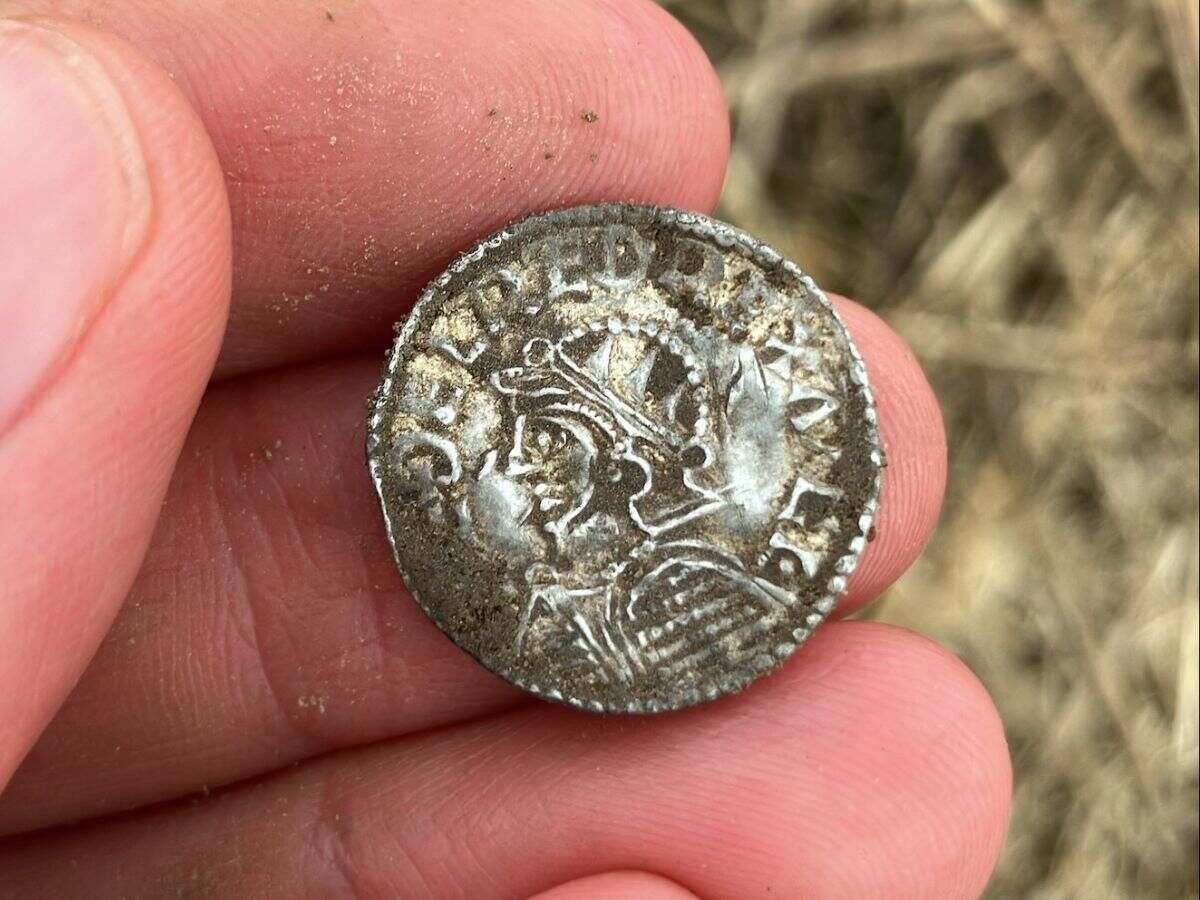
By early July, the total stood at 4,886. The field was then returned to agricultural use, but archaeologists came back after the crop was harvested. Their renewed search pushed the count past 5,000 in late September.
Norway’s largest hoard of Viking coins keeps growing
The 5,000th coin was identified as an Otto-Adelheid penny, a German type already well represented in the hoard. Archaeologists later reported a total of about 5,200 coins, while detector signals suggested that more objects could still remain below the disturbed plough soil.
Most of the coins were struck outside Norway. Researchers have identified large numbers from England and areas within the Holy Roman Empire, along with examples from Denmark, Sweden, Bohemia, Ireland and the Islamic world. The hoard also includes small pieces of cut silver, showing that silver could circulate by weight as well as in coin form.
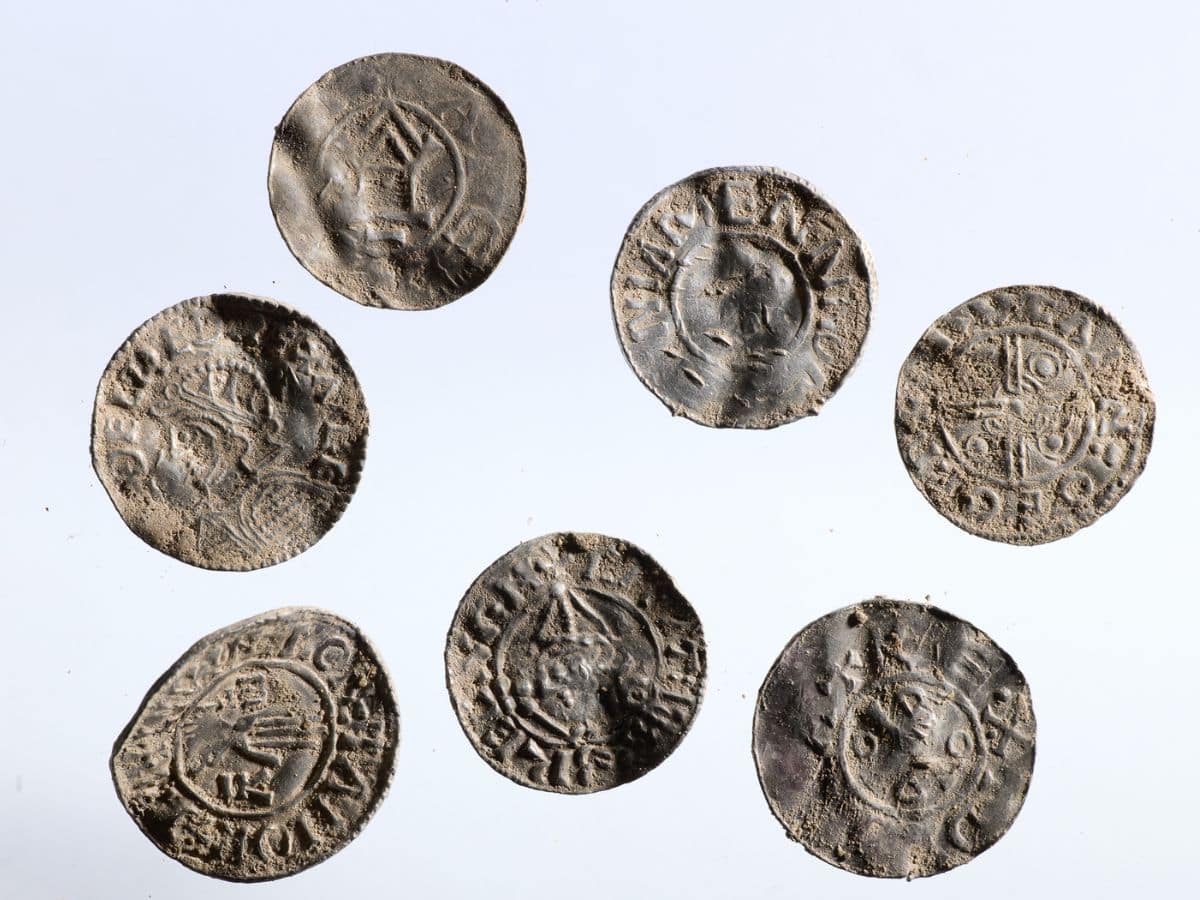
Four early Norwegian coins issued under King Harald Hardrada are especially important because they help date the burial. Researchers place the deposit in the late 1040s, shortly after Harald became king in 1046.
A Viking fortune with no known owner
The reason such a large fortune was buried remains uncertain. Archaeologists have discussed several possibilities, including safekeeping, concealment during danger, and links to the region’s large Viking Age iron industry. None has been proven.
Ground-penetrating radar surveys found no clear houses or graves beside the hoard, but they did reveal traces of older river channels and changing landscapes near the Glomma. That has raised questions about how the location looked when the silver was hidden nearly 1,000 years ago.
Researchers are continuing to document, photograph, and identify the coins at the Museum of Cultural History in Oslo. The final number is still unknown because the autumn search showed that the Mørstad hoard was not exhausted when the main excavation ended months earlier.
See all the latest news from Greece and the world at Greekreporter.com. Contact our newsroom to report an update or send your story, photos and videos. Follow GR on Google News and subscribe here to our daily email!

