



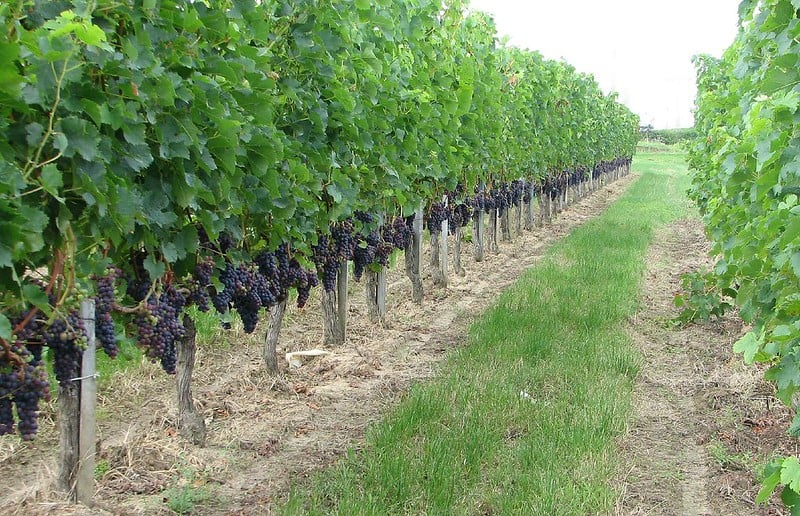
Ancient DNA from grape seeds found across Spain and Sardinia is helping researchers trace the origins of some of Europe’s oldest wine traditions. The study suggests that ancient DNA from Iberian wine grapes points to domesticated vines introduced from the Eastern Mediterranean and Balkans around the start of the first millennium B.C.
The findings offer new evidence for how grape cultivation spread west across the Mediterranean. Researchers also found signs that imported vines later mixed with local wild grapes in Iberia, helping form lineages that remain connected to varieties grown today. The study was led by Guillem Pérez-Jordà and combined ancient DNA analysis with detailed measurements of grape seeds recovered from archaeological sites.
Eastern grapes reached Iberia early
Researchers examined 28 ancient grape seeds from seven sites in the Iberian Peninsula and Sardinia. The remains date from the Iron Age to the Middle Ages, covering more than 2,000 years of grape cultivation. Some of the oldest domesticated seeds came from Huelva in southern Spain and dated to the ninth and eighth centuries B.C.
Their genetic profiles showed strong links to grape varieties associated today with the Eastern Mediterranean and Balkan regions. The results add to growing genetic evidence about the deep history of Mediterranean viticulture. A separate study of 2,300-year-old Etruscan grape seeds in Italy has also used ancient DNA to reveal connections between early vineyards and later European wine traditions.
The researchers said the Iberian evidence supports the idea that domesticated vines arrived during the early spread of Mediterranean viticulture.
The timing fits archaeological evidence connecting Phoenician settlers with the introduction and expansion of grape growing in southern Iberia. Phoenician and later Greek maritime networks linked communities across the Mediterranean, while ancient Greeks established settlements and trading centers in Iberia during the first millennium B.C.
DNA shows mixing with wild grapes
The study also found evidence that imported cultivated vines mixed with local wild grape populations. Several Iron Age seeds showed both domesticated eastern ancestry and genetic features associated with wild grapes from Iberia and western Europe. Researchers said some of these plants may have been first- or second-generation hybrids.
Ancient DNA is rewriting the history of wine in Iberia.
A new study traces some of Spain’s earliest domesticated grapes to the Eastern Mediterranean and Balkans about 3,000 years ago. Some ancient lineages are closely related to wine grapes still grown today. pic.twitter.com/MwehwsrUPu
— Tom Marvolo Riddle (@tom_riddle2025) September 14, 2026
That mixing may have started as early as the ninth or eighth century B.C. in southern Iberia. The findings suggest early wine growers did not simply maintain imported vines unchanged. Instead, the plants may have crossed with local wild grapes as viticulture expanded.
Researchers also examined chloroplast DNA, which is inherited through the maternal line in grapevines. Many of the oldest seeds carried chlorotype D, a genetic type linked mainly to the Eastern Mediterranean, Balkans and Near East.
The importance of wild grape populations to the history of viticulture can still be seen in Greece. Genetic research on the ancient Vine of Pausanias in the Peloponnese found that it is a distinctive wild grapevine rather than an ancient cultivated variety.
Iberian wine lineage emerged by the Iron Age
Seeds from Els Vilars in Catalonia, dating to about the fourth century B.C., showed another important development. Their genetic profiles closely matched the group associated with modern Iberian wine grapes. This suggests that a distinct Iberian wine-grape lineage had already formed about 2,500 years ago. The site has also produced evidence of an Iron Age wine press, strengthening the possibility that these grapes were already being used for winemaking.
The researchers argue that the Iberian lineage mainly developed from eastern domesticated grapes rather than through a separate domestication of local wild vines.
Grape cultivation had a much longer history farther east. Wine played a major role in ancient Greek society and trade, while evidence indicates grape cultivation in Greece reaches back thousands of years.
Ancient grapes linked to modern varieties
Some of the strongest findings came from comparisons between ancient seeds and modern grape varieties. Researchers identified close family relationships between grape seeds found at archaeological sites hundreds of kilometers apart.
One medieval seed from Valencia, dated to the 14th century, showed a close genetic relationship with the modern Portuguese white grape Batoca. It also closely resembled Pasa Valenciana, a rare Spanish grape associated with Valencia. Another seed from 10th-century Valencia appeared closely related to Viura, also known as Macabeo or Maccabeu, a white grape still widely used for wine.
The study suggests that only a few sexual generations may separate some modern Iberian cultivars from grape lineages introduced roughly 3,000 years ago. Researchers said this was possible because grape growers often propagated successful vines clonally rather than repeatedly growing new plants from seeds.
The findings point to remarkable continuity in Mediterranean viticulture. Eastern vines helped establish grape growing in Iberia, mixed with local wild populations and diversified during the Iron Age. Some of those ancient lineages appear to have survived, through centuries of cultivation and clonal propagation, into grape varieties still grown in the western Mediterranean today.
See all the latest news from Greece and the world at Greekreporter.com. Contact our newsroom to report an update or send your story, photos and videos. Follow GR on Google News and subscribe here to our daily email!

