



A new global health study estimates that second-hand smoke contributed to about 3,100 deaths in Greece in 2023. The finding places the country among many nations still struggling to shield non-smokers from tobacco fumes they never chose to breathe.
The figure comes from the Global Burden of Disease study, a large research project that tracks health trends across more than 200 countries and territories.
Researchers found that 3.55 million people in Greece were exposed to smoke from other people’s cigarettes at home or at work in 2023. That works out to about 40.5% of the population.
The number is down from 4.88 million people in 1990, when exposure touched just over half of all Greeks. Researchers linked part of that decline to smoke-free rules adopted across Europe over the past three decades. The pattern in Greece ran counter to what researchers saw in most of the world.
Greece’s second-hand smoke exposure breaks global gender trend
Globally, women were more likely than men to breathe in second-hand smoke. In Greece, the opposite held true. Male exposure stood at 41.7%, compared with 39.3% among women. The study said this reversed pattern also showed up in other wealthy countries.
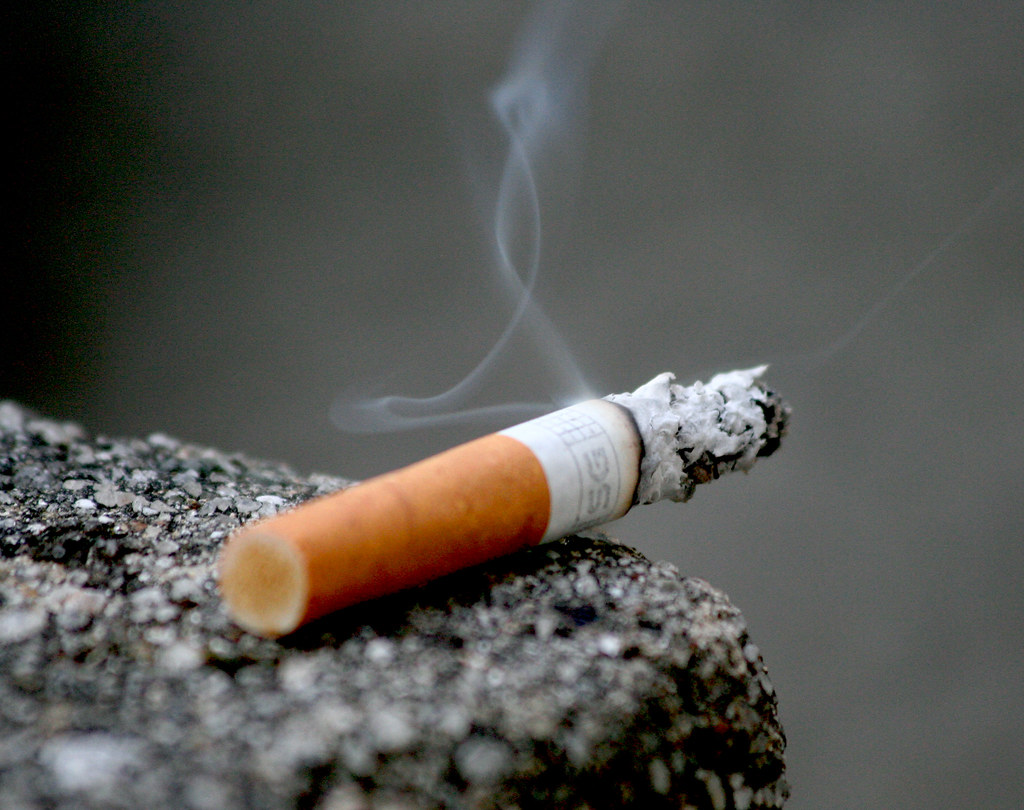
Beyond deaths, the toll included 63,200 years of healthy life lost to disability and early death. Researchers call this measure disability-adjusted life years, or DALYs. That number fell 25.5% since 1990.
Deaths themselves declined more slowly, dropping just 18.2% over the same period. Researchers said the gap likely reflects better medical care for people with smoking-related illnesses, rather than cleaner indoor air alone.
Greece’s numbers sit within a much larger global picture. Researchers estimated that 2.71 billion people worldwide were exposed to second-hand smoke in 2023. That total included 767 million children under age 15. The exposure was linked to 1.66 million deaths and 44.8 million DALYs across the globe.
Global second-hand smoke burden reveals sharp regional divides
China, India and Indonesia together accounted for nearly half of everyone exposed on the planet. Island nations in the Pacific recorded the highest death rates from the habit.
Denmark, Norway, Brazil, Mexico and Canada posted the sharpest declines in exposure since 1990. Meanwhile, countries across the Middle East and sub-Saharan Africa saw the number of people exposed rise sharply. Researchers said population growth, rather than rising smoking rates, mostly drove that increase.
Researchers said the findings point to gaps in enforcement. Most exposure now happens inside homes, where smoke-free laws rarely reach. They noted that about 70% of the world’s population still lacks protection under comprehensive smoke-free legislation. That gap persists more than two decades after the WHO’s tobacco treaty first called for such measures.
See all the latest news from Greece and the world at Greekreporter.com. Contact our newsroom to report an update or send your story, photos and videos. Follow GR on Google News and subscribe here to our daily email!

