



Officials described the two structures as key evidence of the city’s layered historical and architectural heritage, now returned to public use after years of conservation work.
The Orta Mosque dates to around 1490 and stands at the intersection of Leonidou and Themistokleous streets in Veria’s historic center. It ranks among the oldest surviving mosques in Greece. Its name means “central” in Turkish, a reference to its location within the city.

The 17th-century Ottoman traveler Evliya Celebi once described its distinctive lead-covered dome. The Ephorate of Antiquities of Imathia carried out the restoration using 450,000 euros ($523,000) from the Recovery and Resilience Fund.
Crews addressed serious structural weaknesses and restored the dome, the original window openings, the flooring, painted plasterwork, and the minaret.
Veria’s twin Ottoman bath and Orta Mosque reclaim their role in the city
The twin Ottoman bath, known locally as the Touzci Hamam, or Bath of the Salt Seller, also dates to the late 15th century. It sits in Veria’s Kyriotissa neighborhood and remained in operation until 1930.
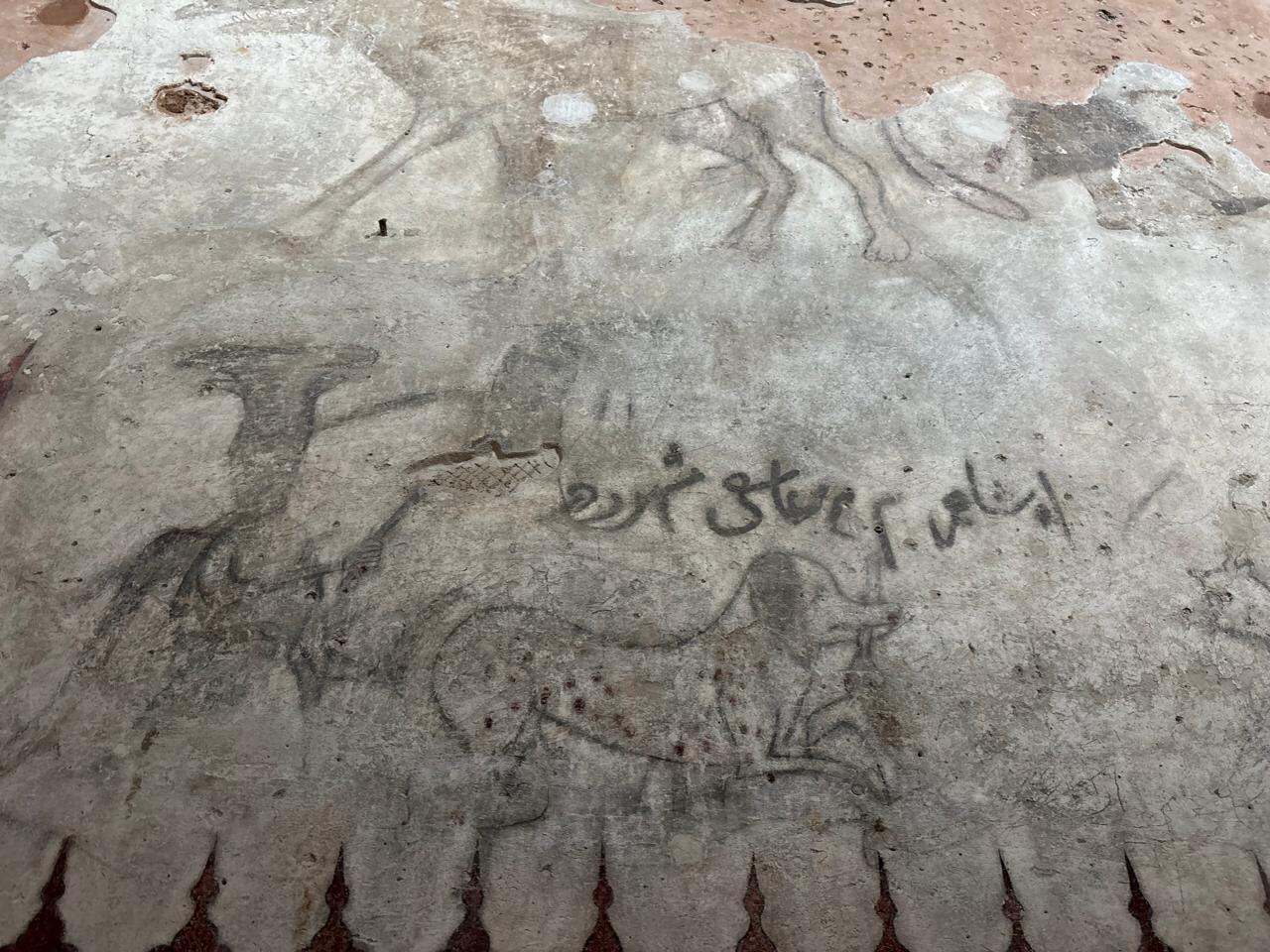
The building has two symmetrical sections, one for men and one for women. Its male chamber holds rare wall paintings showing hunting scenes and exotic animals, including an elephant and a giraffe. Restoration cost 1.02 million euros ($1.19 million), funded through the Ministry of Culture’s National Development Program.
Mendoni said the monuments are not simply remnants of the past but living elements of local identity. She noted that Veria holds 52 standing monuments spanning the prehistoric era to modern times.
With Veria’s Orta Mosque and twin Ottoman bath now restored for cultural use, she said, both buildings regain the place they deserve in the city’s contemporary life.
Ancient Mieza dig uncovers ties to Alexander the Great and Aristotle
During the same visit, Mendoni inspected excavations at the Royal Gymnasium of ancient Mieza, near present-day Naousa, a site tied to Philip II, Alexander the Great and Aristotle. Archaeologist Angeliki Kottaridis has directed the dig since 2024 under an agreement between the ministry and the Naousa municipality.
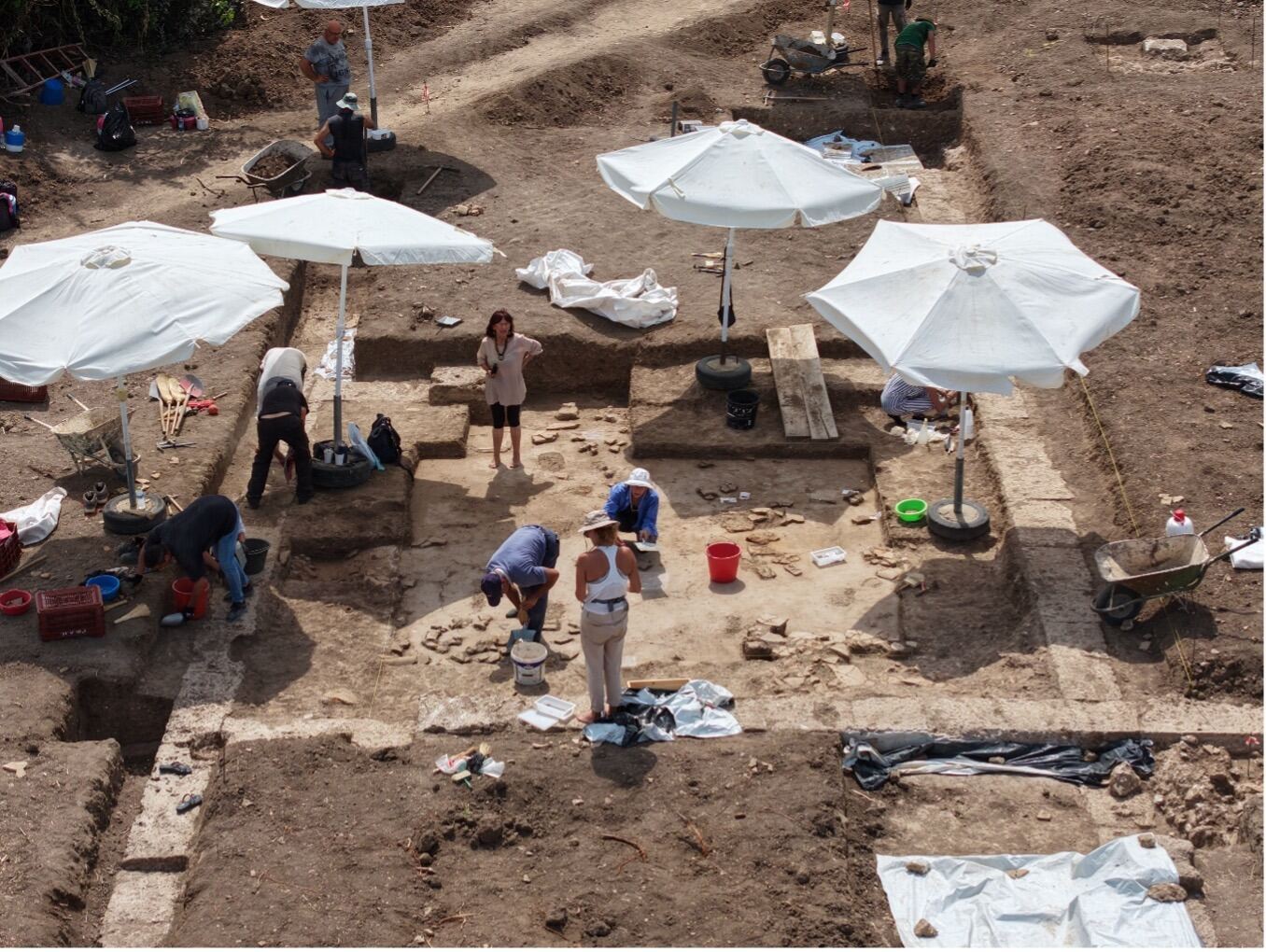
Researchers have uncovered mosaic-floored banquet halls, a 200-meter covered portico (656 feet), and architectural fragments resembling those found at the palace of Aegae. Mendoni called the discoveries significant well beyond Greece, saying they illuminate a complex once central to educating young Macedonian nobility.
Deputy Development Minister Lazaros Tsavdaridis, Imathia lawmaker Stella Arabatzi, the mayors of Naousa and Veria, and senior culture ministry officials attended the ceremony.
See all the latest news from Greece and the world at Greekreporter.com. Contact our newsroom to report an update or send your story, photos and videos. Follow GR on Google News and subscribe here to our daily email!

