



For decades, Christina Onassis has been remembered mainly as the troubled heiress who inherited one of the greatest fortunes of the 20th century. Her marriages, personal struggles and tragic death at 37 have often overshadowed another important part of her life: she genuinely entered her father’s business and tried to run it.
After the death of her brother Alexander in 1973, Aristotle Onassis began preparing Christina for a responsibility that had originally been intended for his son.
Her father prepared her for the business
Shortly before his death in 1975, Onassis began teaching Christina about his vast international holdings. According to a 1978 Washington Post profile, he took her to business meetings and encouraged her to visit tanker brokers, insurance companies, shipyards and shipping companies.
After his death, continuing the family business became, according to the newspaper, her “primary concern.”
Christina was only 24.
She did not, however, simply take over an office and dismiss the people who had built the empire alongside her father. The Onassis businesses already had an experienced management structure, and many of his trusted executives remained involved.
But Christina wanted an active role.
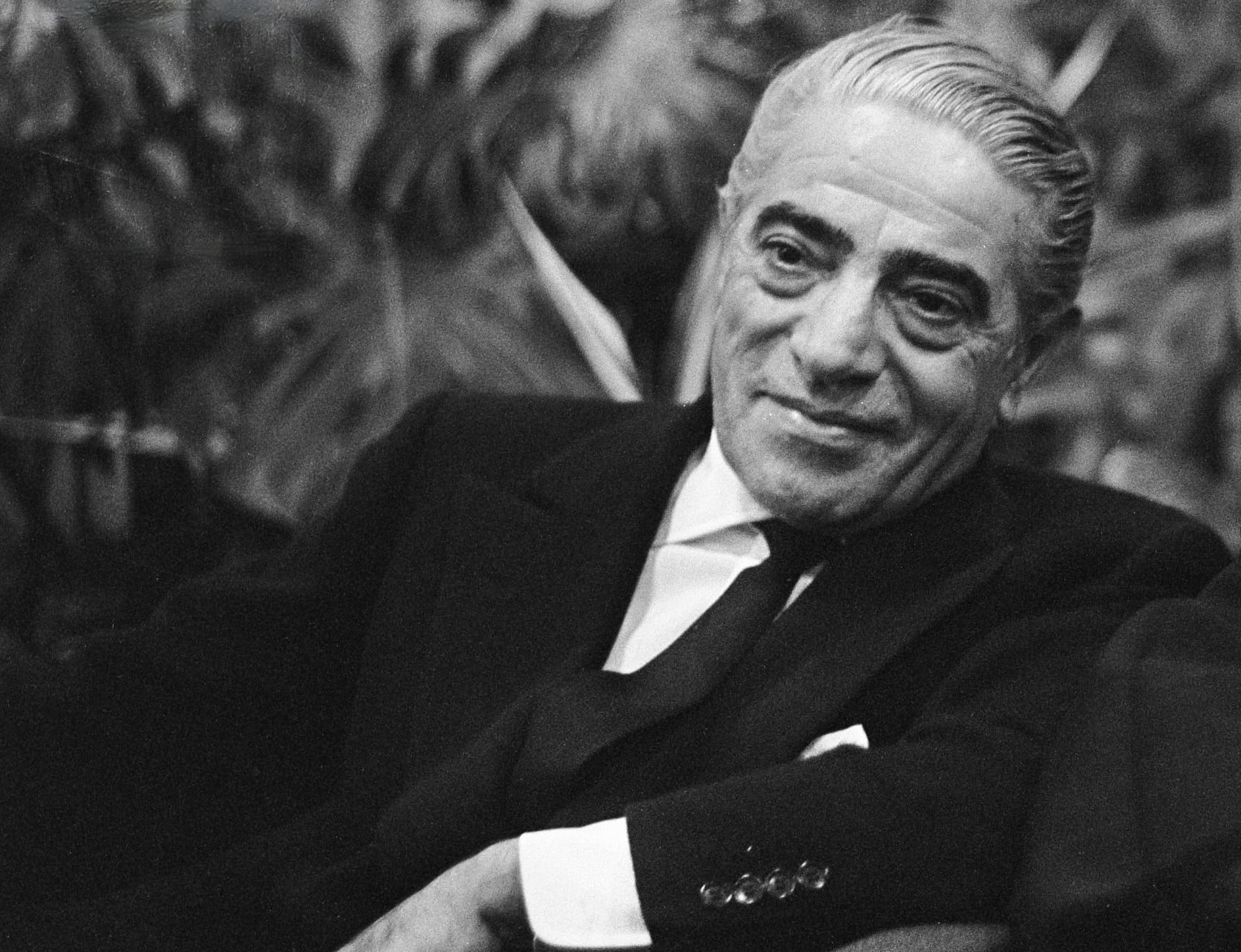
She insisted on making her own decisions
In 1978, the Washington Post reported that Christina had asserted her claim to 47.5 percent of her father’s holdings and had made clear that she intended to manage the business herself.
She replaced some older directors and brought in Louis Andersen, a former Exxon executive, as general manager. She also insisted on renewing part of the fleet, despite disagreement from some of the older advisers.
One year after Onassis’ death, the company had lost a supertanker on its maiden voyage. Some directors wanted greater caution. Christina nevertheless reportedly insisted that another similar vessel be purchased for $27 million and subsequently replaced ten older ships.
The decisions were significant because the international shipping industry was going through a difficult period, with many tankers sitting idle.
The business even brought her to the Soviet Union
Christina’s involvement in shipping eventually led to one of the most extraordinary episodes of her life.
In 1976, she met Sergei Kauzov, a Soviet shipping official, while negotiating a business deal involving her fleet and the Soviet shipping organization Sovfracht.
Their business relationship eventually became personal, and in 1978 Christina married Kauzov in Moscow.
The marriage immediately raised questions about the future of the Onassis empire. Would the family business move to the Soviet Union?
Christina insisted that it would not.
“The headquarters will not be moved to Moscow,” she said, while contemporary reports noted that the businesses would continue to be handled in the West by her father’s trusted executives.
At the same time, she remained actively involved. Just five days after her wedding, she returned to Athens alone because of urgent business matters.
She was not alone—but she was in control
This distinction is important.
Christina was not the sole day-to-day executive of every company her father had created. Experienced managers continued to operate the international businesses, and she regularly consulted her father’s trusted advisers.
But contemporary reporting makes clear that she was much more than a passive beneficiary.
The Washington Post reported that the Onassis fleet remained profitable under her direction and that she commanded the respect of the management of her corporations.
Her determination was also apparent in her private life. When she married Alexander Andreadis, heir to another powerful Greek business family, she refused to surrender control of the Onassis companies to her husband or his family. The marriage ended little more than a year later.
The forgotten side of Christina Onassis
The image of Christina Onassis as simply a wealthy, unhappy heiress is therefore incomplete.
She inherited an extraordinary fortune, but she also inherited an extraordinary responsibility. Her father had begun preparing her for it before his death, and she spent the years that followed learning the business, changing its management and making decisions about the fleet.
She did not have decades to build an empire of her own. She died in 1988 at just 37.
But for more than a decade after her father’s death, Christina Onassis was not merely living off the Onassis fortune. She was actively involved in managing it.
That forgotten chapter of her life offers a very different portrait of the woman behind one of the most famous names in modern Greek history.
See all the latest news from Greece and the world at Greekreporter.com. Contact our newsroom to report an update or send your story, photos and videos. Follow GR on Google News and subscribe here to our daily email!

